Older Horse Care Concerns

Diagnosing Pituitary Pars Intermedia Dysfunction

Unfortunately, no perfect PPID test (one that is 100% accurate with a single-sample test) yet exists. At the 2006 AAEP Convention, Harold Schott, DVM, PhD, Dipl. ACVIM, professor of large animal clinical sciences at Michigan State University,

Read More

Keep Old Horses Healthy

“Old age need not be a burden,” said Loving. “Considering all the premium health care we can offer our horses today, there is no reason they shouldn’t be living into a ripe old age in the greatest of comfort.”

Read More

Challenges of Cushing’s Disease Diagnosis and Treatment

We know Cushing’s disease (or pituitary pars intermedia dysfunction?PPID?as it’s more scientifically called), simply put, is an “old-horse disease” that results in metabolism disturbances and an abnormally heavy hair coat. But when it comes to

Read More

Protecting Equine Athletes from Osteoarthritis

Since most horses are used for recreational or performance activities, soundness is understandably of vital importance to horse owners. A 2003 study suggested that 60% of lameness problems in horses are related to osteoarthritis, thus stressing the

Read More

Pergolide: FDA to Allow Compounding From Bulk


The Food and Drug Administration’s (FDA) Center for Veterinary Medicine announced on May 11 it will allow bulk pergolide to be used in compounding pergolide for use in horses.

Pergolide mesylate, a drug commonly used to treat pituitar

Read More

Nutrition to Go

A group of veterinarians gathered at the Land O’ Lakes Purina Mills headquarters in St. Louis, Mo., last fall to participate in discussions on subjects that ranged from Cushing’s disease to proper nutrition for horses young and old. Nicholas Frank,

Read More

Equine Metabolic Syndrome Versus Cushing’s Syndrome

Fresh from the AAEP Annual Convention, here’s an update on what we know about these two disorders and how to manage them:

Equine metabolic syndrome typically affects horses aged 8 to 18-years-old. Pony breeds, domesticated Spanish

Read More

Dopamine and Its Evil Twin Ergovaline

In the horse, the hormone dopamine exerts a number of effects through its actions on the pituitary gland. Both dopamine and ergovaline, a dopaminergic agonist (a drug that stimulates dopamine receptors), can significantly impact the mare’s

Read More

More From The Horse

FEMA_-_34534_-_Horses_in_a_flooded_Missouri_pasture
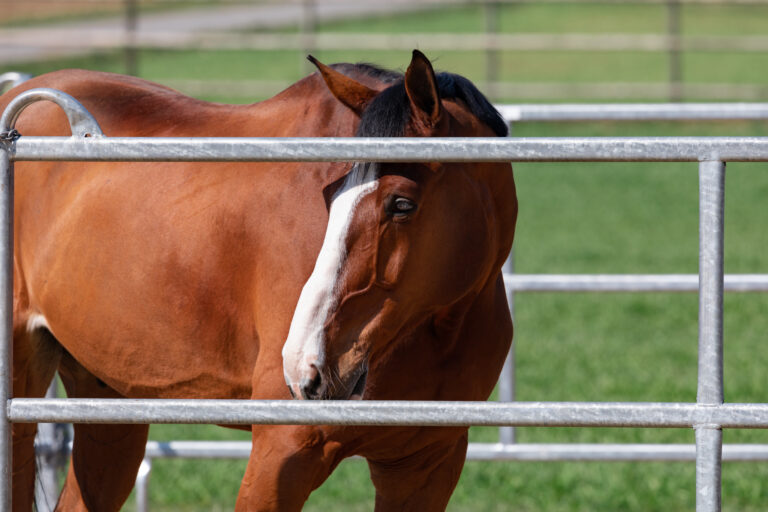
reddish brown standing horse with vibrant colors in a metal grid box, the facial expression looks sad, by day, without persons
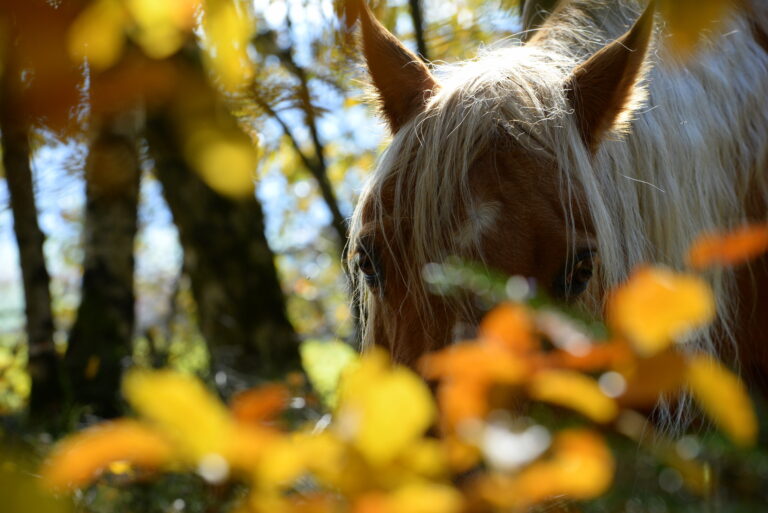
Pferd im herbstlichen Wald
Insektenplage. Schönes Pferd frei zwischen gelben Blumen auf einer Wiese wird von Insekten attackiert

Stay on top of the most recent Horse Health news with

FREE weekly newsletters from TheHorse.com

Weekly Poll

sponsored by:

Create a free account with TheHorse.com!

The Horse
Privacy Overview

This website uses cookies so that we can provide you with the best user experience possible. Cookie information is stored in your browser and performs functions such as recognising you when you return to our website and helping our team to understand which sections of the website you find most interesting and useful.