Diagnosing Equine Cushing’s Disease
Years ago, vets relied on clinical signs to diagnose PPID. Find out how the disease is diagnosed now.

Years ago, vets relied on clinical signs to diagnose PPID. Find out how the disease is diagnosed now.

Researchers confirmed some suspected patterns in PPID clinical signs and identified others they considered surprising.

Drs. Erin Denney-Jones and Ann Rashmir-Raven offer advice for prolonging a Cushing’s horse’s career.

Did you know your horse could be suffering from equine Cushing’s disease long before his coat turns long and curly? Learn how to recognize subtle signs and offer your horse an early intervention for PPID.

From reducing PPID-associated muscle wasting to managing IR and obesity, here’s what to consider for your old horse.

The earlier you can detect endocrine conditions such as PPID and EMS, the better chance you have of preventing associated laminitis in affected horses.
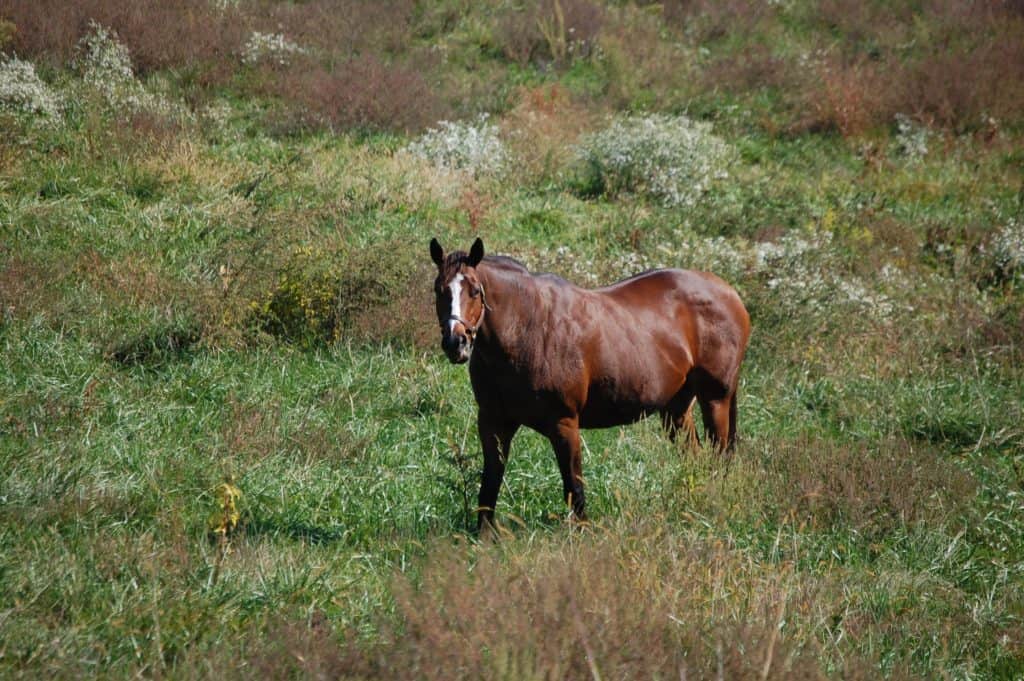
Consider these dietary changes to help reduce the laminitis risk and discuss with your veterinarian whether certain medications could help your horse.

Do horses with PPID, EMS, and/or IR have a greater laminitis risk after receiving joint injections? Drs. Vern Dryden and Amanda Adams respond.

Learn what distinguishes PPID, EMS, and IR from each other and how to care for “metabolic” horses.

Learn more about nutrition’s role in the development and management of equine endocrine disorders and how you can reduce your horse’s risk of developing a secondary disease.
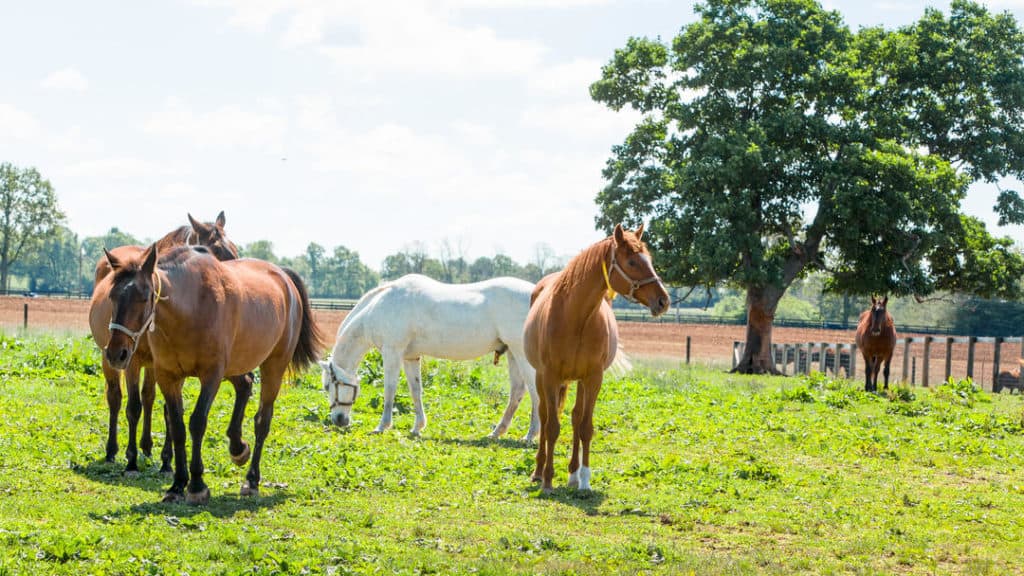
Dr. Amanda Adams is seeking donations of horses with PPID for her research at the University of Kentucky.
She is studying how diet, exercise, and season impact metabolic and inflammatory responses in horses with endocrinopathies.

I used a senior equine feed to help my hard keeper gain weight. Now, should I switch him to a low-NSC product?
During this year’s lecture, farrier Daisy Bicking and Dr. Nick Frank will present on laminitis and endocrine disorders.

Dr. Lisa Tadros shares information about identifying EMS, PPID, and laminitis in senior horses.
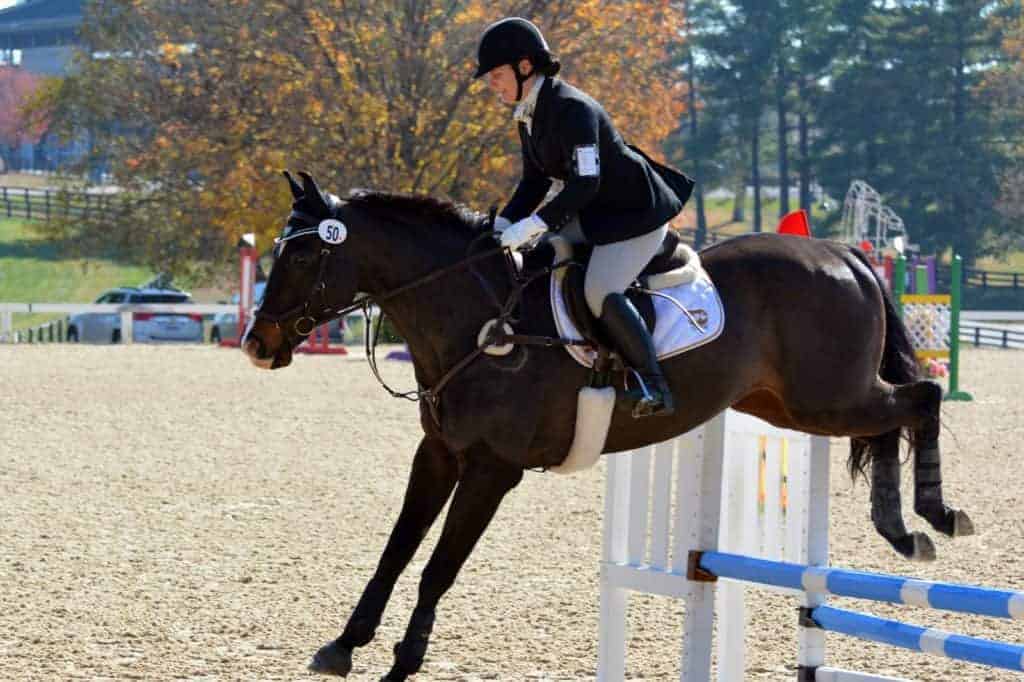
Find tips on how to extend horses’ “health spans,” maximize performance years, and maintain a good quality of life.