Are You Already Thinking About Blanket Season?
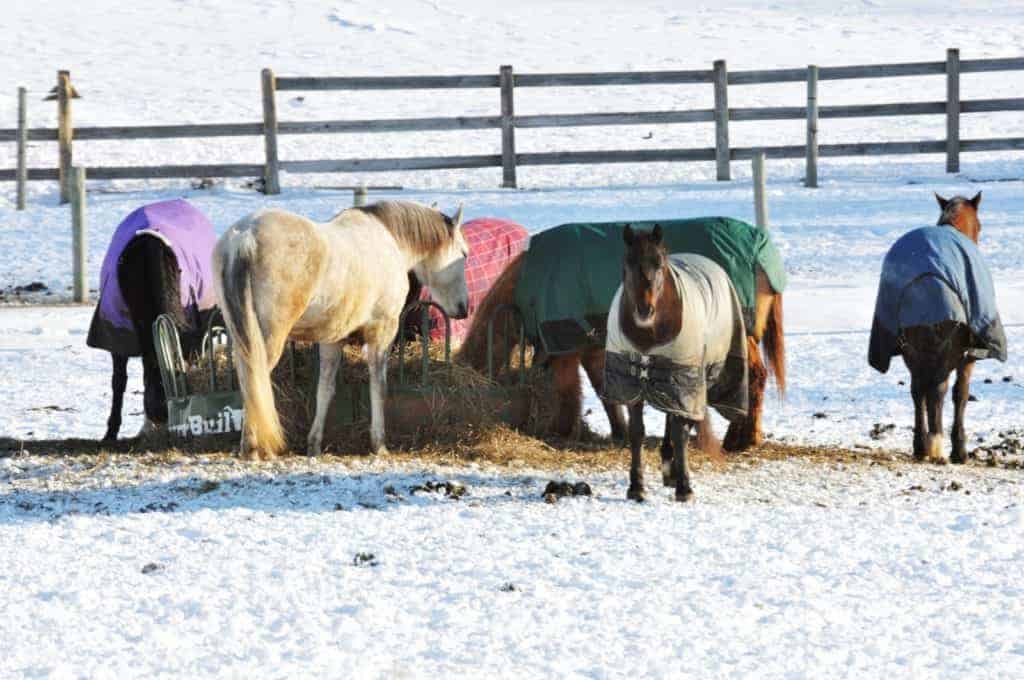
Don’t wait until winter! Prepare ahead of time with tips on deciding whether to blanket, how to fit a blanket, and more.

Don’t wait until winter! Prepare ahead of time with tips on deciding whether to blanket, how to fit a blanket, and more.

From providing water and electrolytes to monitoring the temperatures and riding accordingly, remember these top tips.

Researcher found that three commonly used macrolides suppressed foals’ normal sweat responses to varying degrees.

Of the 804 respondents, 429 said they give their horses electrolytes year-round, after hard work, or during the summer.

More than half of the 1,474 respondents (761) said they do not ride their horses when it is warmer than 90 degrees.

Trees, sheds, and other structures can provide horses relief from wind, rain, heat, and more. Here’s what to remember.

Anhidrotic horses don’t sweat well or at all, which can be dangerous in warm climates. Here’s what to watch for.

Spring is in the air! Here are some tips to help you get your horse property ready for the season.
Alayne shares some mental strategies to help riders get through the winter blahs.

Do you really want to wrestle with frozen hoses? Here’s what to know about automatic waterers.

None of the 15 horses rescued from the barn were injured in the collapse.
What ideas do you have for dealing with winter horse boredom? Alayne Blickle, of Horses for Clean Water, shares some tips.

Dr. Nancy Loving dispels the idea that cold weather can directly cause laminitis.
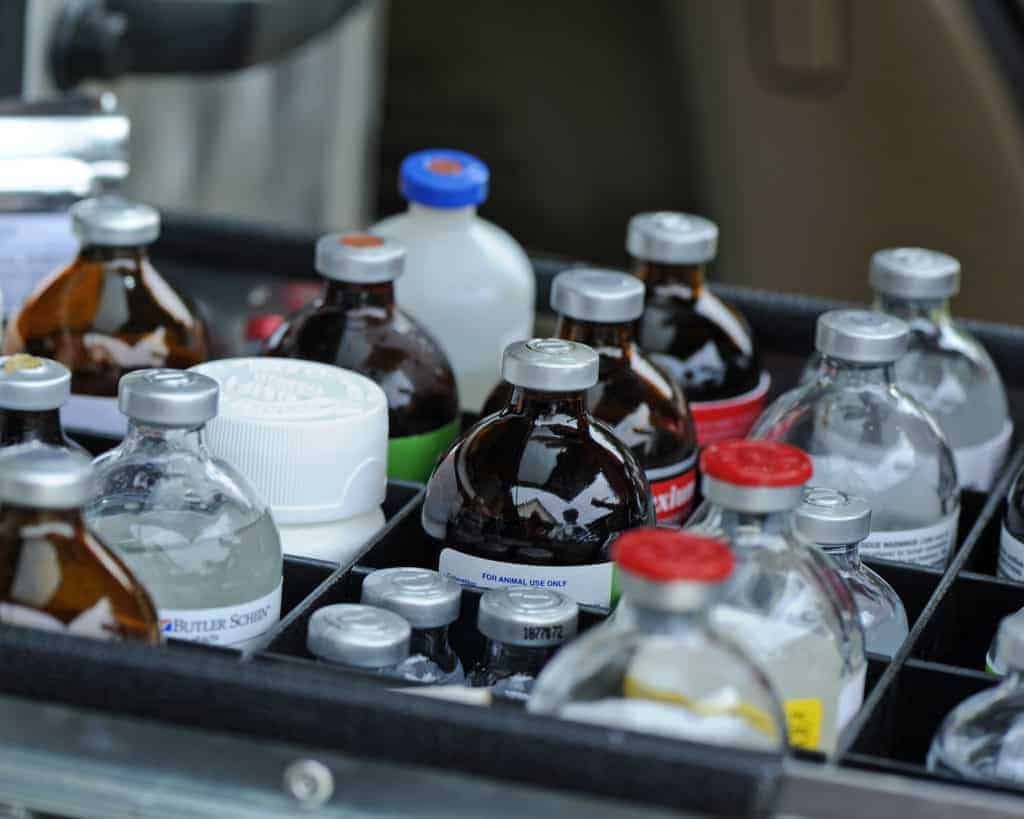
Dr. Nancy Loving offers information about storing medications during the winter.

Our experts offer advice on if and how to warm cold bits before riding.
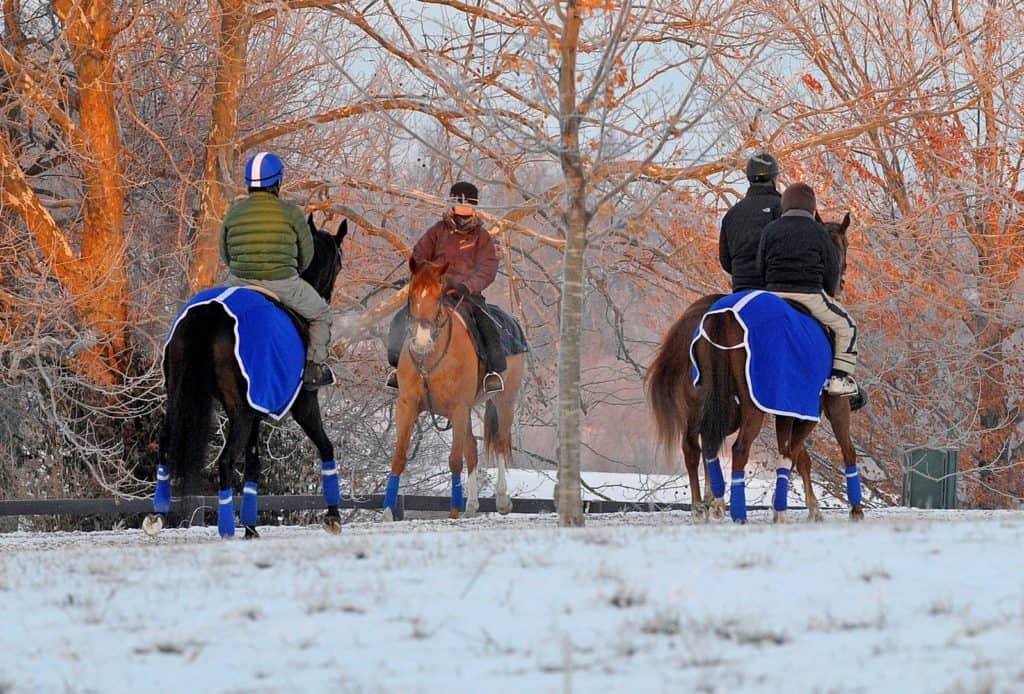
Horses for Clean Water’s Alayne Blickle offers tips for helping a horse dry off and cool out after winter riding.