Getting Ahead of Equine Weight Loss
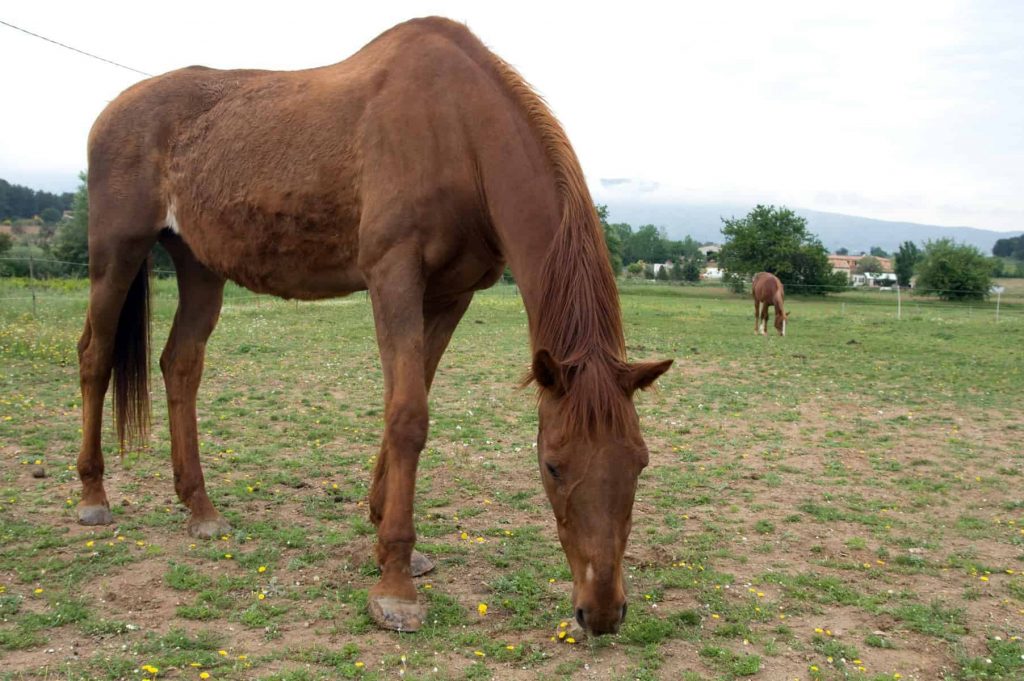
Prevent weight loss in horses by testing hay, monitoring calorie intake, and adding fat or fiber to maintain body condition through seasonal forage changes.

Prevent weight loss in horses by testing hay, monitoring calorie intake, and adding fat or fiber to maintain body condition through seasonal forage changes.

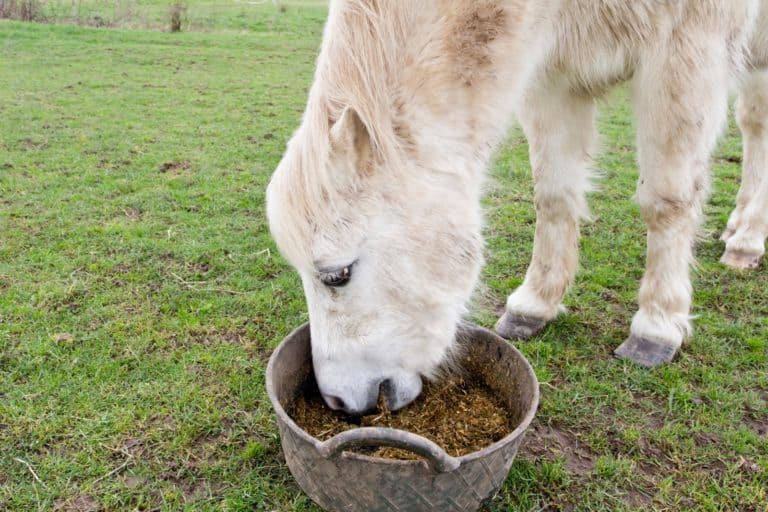
Do you have a messy horse that dumps her feed in the dirt? Try these tips to make sure she gets the nutrition she needs.

Find out if you can feed newly harvested hay or if you should wait and let it “sweat” or “cure.”

Grass sugar levels shift with time of day, season, and weather. Careful turnout timing can help prevent problems in horses with EMS, IR, or a history of laminitis.

Does your old horse need additional vitamin supplementation in his later years? An equine nutritionist shares how to ensure your senior horse gets the nutrition he needs.

Abruptly putting a horse on pasture can lead to colic or laminitis. Here’s advice to help avoid health problems.

Horses with cellulitis need medical intervention from a veterinarian, but these efforts can be supported through a balanced diet. Here’s why.

One reader wants to know how she can manage her metabolic horse that is also prone to gastric ulcers. Here’s what she should consider.

Explore the methods used to diagnose food-related issues in horses and effectively manage their clinical signs.

Sourcing lower-energy hay and implementing slow-feeding strategies can help reduce your horse’s risk of becoming obese and developing metabolic problems.

An equine nutrition expert addresses toplines, horse protein needs, and if whey is the way to go.

Adding oil to your horse’s diet can improve coat quality and weight gain. An equine nutritionist describes factors to consider before choosing an oil to feed your horse.

Find out why your horse might be more prone to impaction colic during winter and how you can reduce the risk.

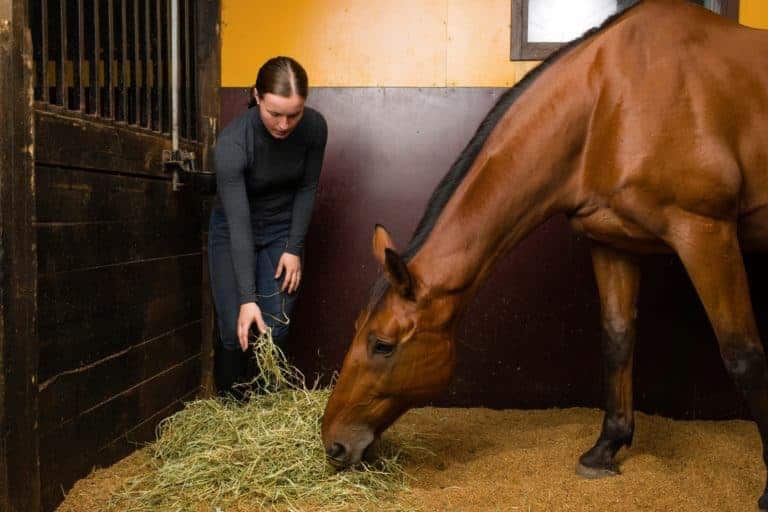
An equine nutritionist explains the best way to switch your horse to a new hay and what to do if you have limited hay storage.

An equine nutritionist explains why you should consider your individual horse’s needs and forage source before choosing a ration balancer.

Not all carbohydrates are created equal, and “low-carb” definitely doesn’t mean “no-carb.” A nutritionist explains.