Preventing Impaction Colic Recurrence
An equine nutritionist shares tips to reduce impaction colic risk in senior horses, focusing on hydration, digestion, proper feeding practices, and more.

An equine nutritionist shares tips to reduce impaction colic risk in senior horses, focusing on hydration, digestion, proper feeding practices, and more.

Researchers found that a herd of Icelandic horses survived after their water source froze amid snowstorms. But, as a rule, horses should always have access to fresh water.

Horses with certain health conditions should skip sweet treats. Find out if your horse is one.

Horses that are used to being on pasture during the spring, summer, and fall might experience nutrient deficiencies during the winter.

As your horse ages, dental problems might develop that require changes to his diet.

Horses tend to drink less as the temperature of their water drops. However, when given the choice between cold and warm water, horses consume the former.

Learn how to calculate the amount of forage your horse or pony needs to achieve a healthy weight and what types of hay might be best for weight loss.

Learn how to add calories safely to a metabolic horse’s diet without putting him at a greater risk of developing laminitis.

Rapid weight loss can lead to hyperlipemia, a serious and sometimes fatal condition.
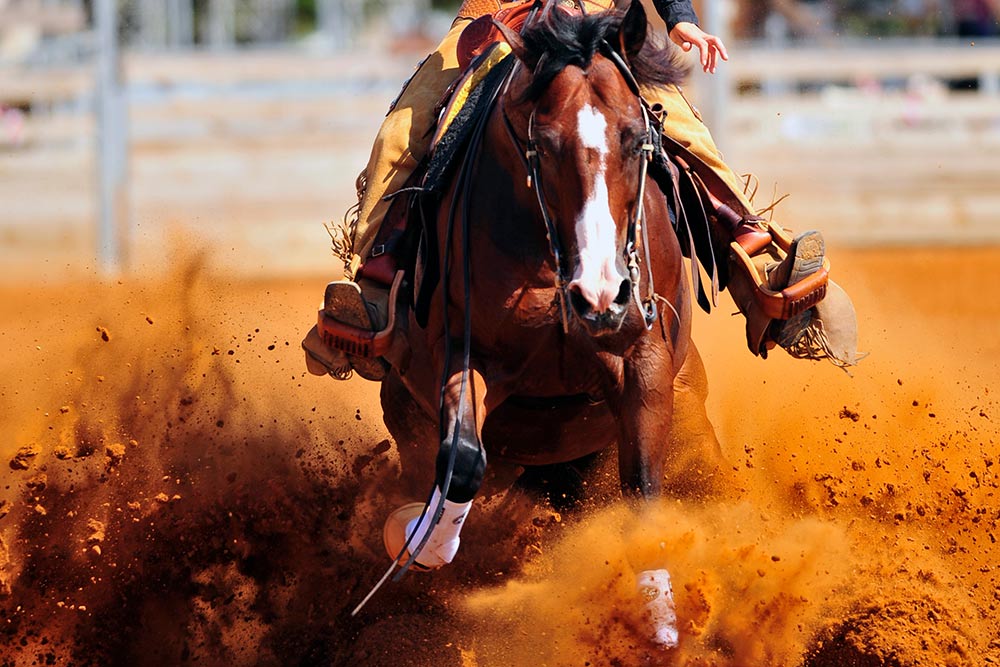
Find out what health conditions overweight horses might be more likely to develop and how you can help your horse safely lose weight to improve his performance.

An equine nutritionist offers alternatives to soaking hay for horses that live in subfreezing climates during winter.

Performance horses’ lifestyles put them at a greater risk of developing gastric ulcers. An equine nutritionist explains how to combat this.

An owner asks for help feeding her mare who needs to gain weight but is proving to be a picky eater. An equine nutritionist shares some advice.
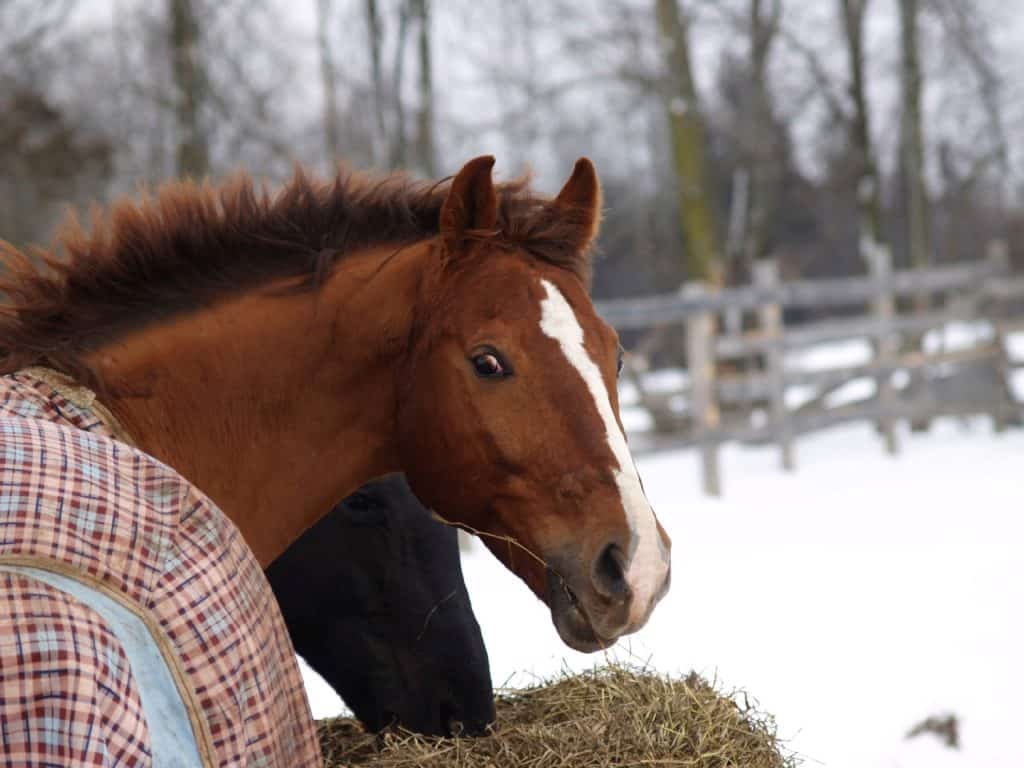
Learn how to use high-quality forage, water, and fat to help your horse maintain a healthy body condition score in colder weather.

Internal parasites can damage horses’ digestive tracts, causing lifelong issues with nutrient absorption.

Horses can consume hay pellets or cubes rapidly. How can we slow them down to increase their time spent chewing?