Objective Determination of Lameness in the Horse
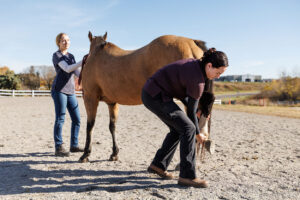
Dr. Kevin Keegan of the University of Missouri examines the biomechanics related to diagnosing equine lameness.

Dr. Kevin Keegan of the University of Missouri examines the biomechanics related to diagnosing equine lameness.

Hoof abscesses are a common cause of severe lameness in horses. Find out how to manage one in our step-by-step guide.

The horse’s lower limb is subject to a multitude of injuries that can baffle even the most veteran veterinarians.

Are there times I shouldn’t work my young horse recently diagnosed with navicular syndrome?
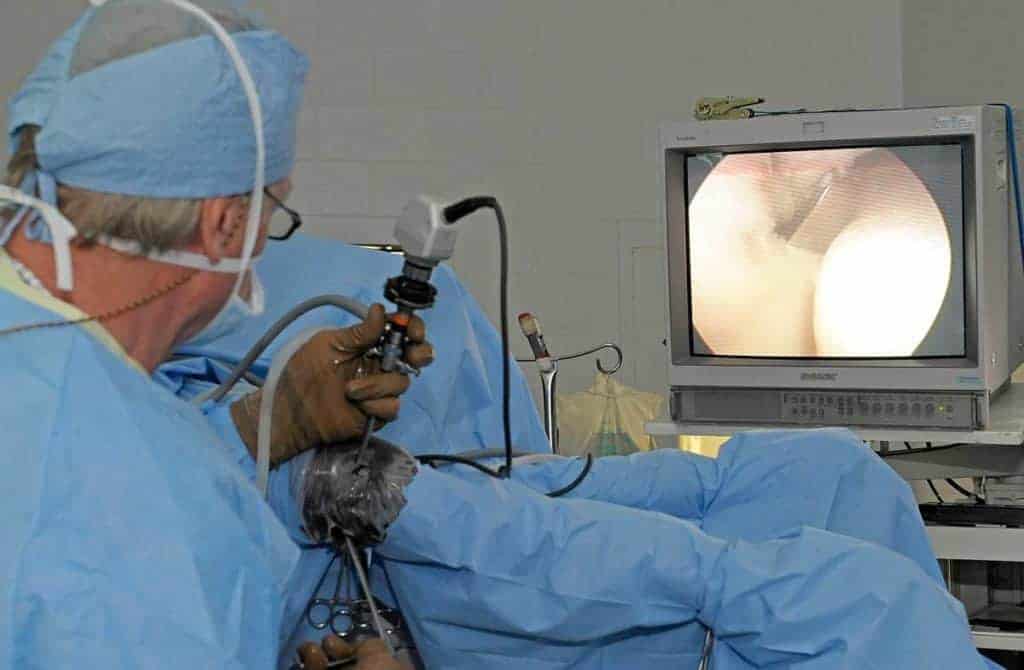
Bone chips can be a proper pain in the joint; learn where and why they happen and when they need to be removed.

Learn about using joint injections to help treat common causes of lameness and reduced performance.

Learn about the newest advances in understanding and treating inflammation and joint disease in horses from Dr. Wayne McIlwraith, who is a distinguished professor at and founding director of the Colorado State University Orthopaedic Research Center.

Here’s how to get your performance horse back to the show ring safely and successfully after layup.
Rutgers and University of Minnesota researchers are studying genetic factors underlying musculoskeletal diseases.
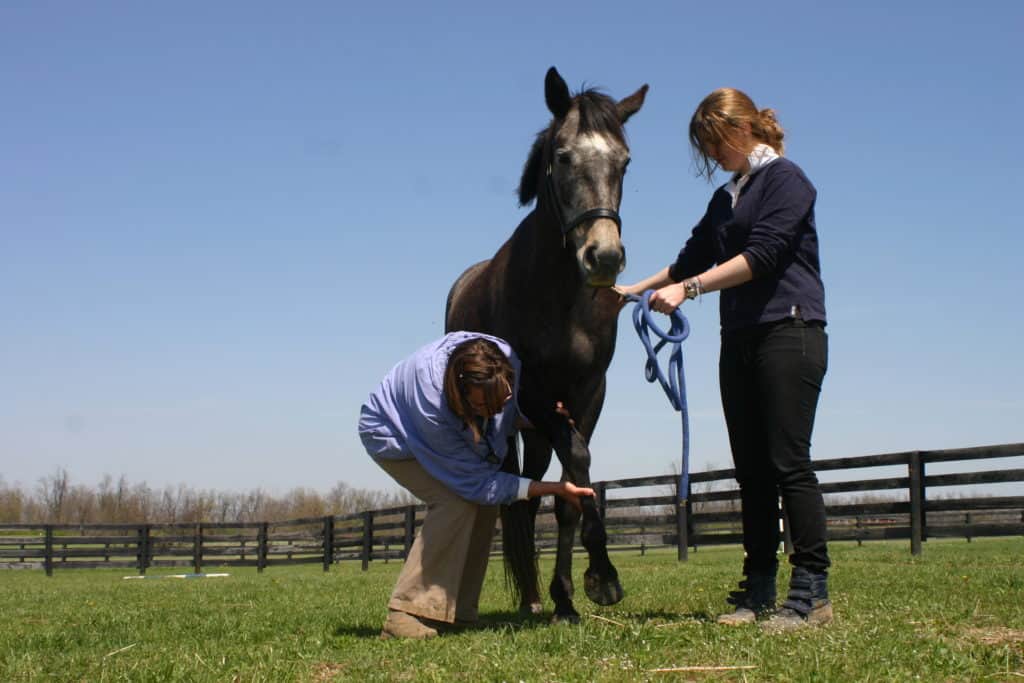
Many diseases cause signs similar to EPM, but won’t respond to EPM treatment. Ensure you treat for the right condition.
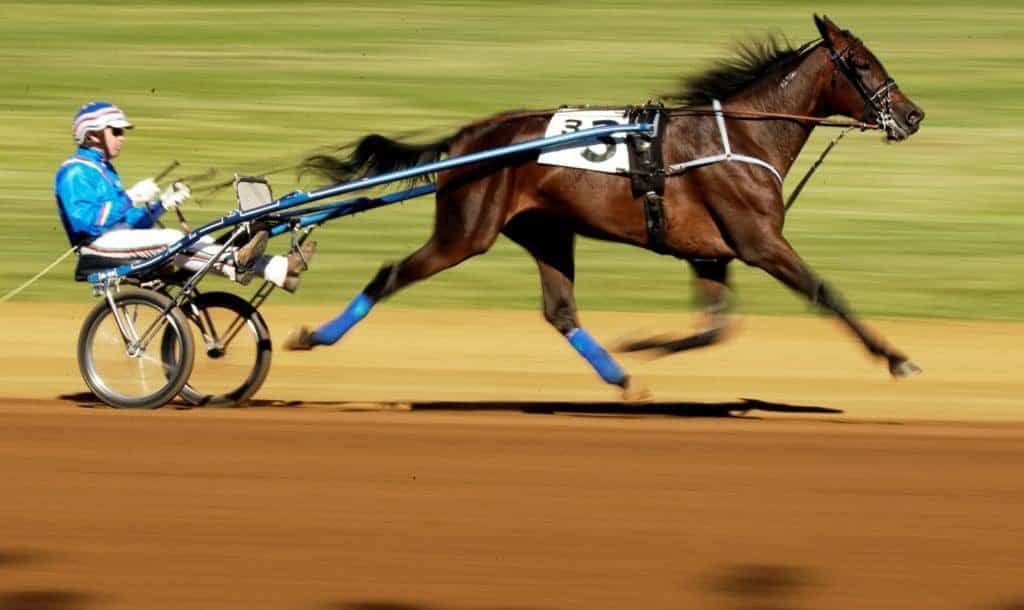
Researchers say the ‘Gait Keeper’ gene appears to be responsible for trotters’ success in harness racing.
Highlights and take-homes from the 2015 AAEP Focus on Poor Performance meeting in Lexington, Kentucky.
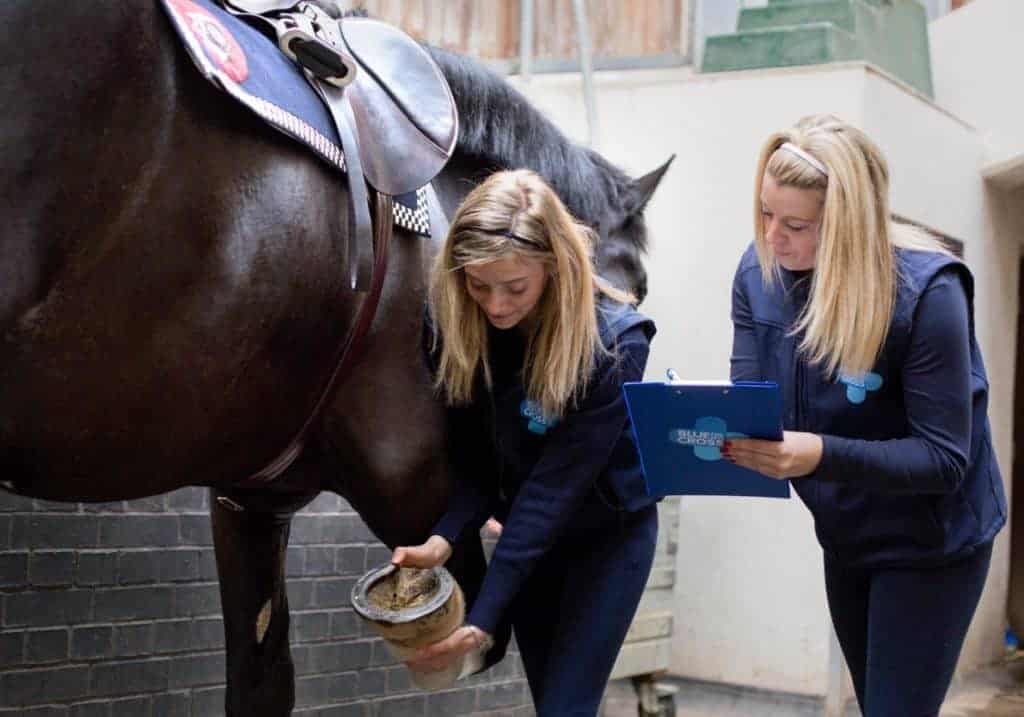
A British survey revealed that lameness is three times more likely to be caused by limb conditions than hoof problems.

Equine veterinarians confirm motion capture could be useful for objective measurements of ataxia, or incoordination.
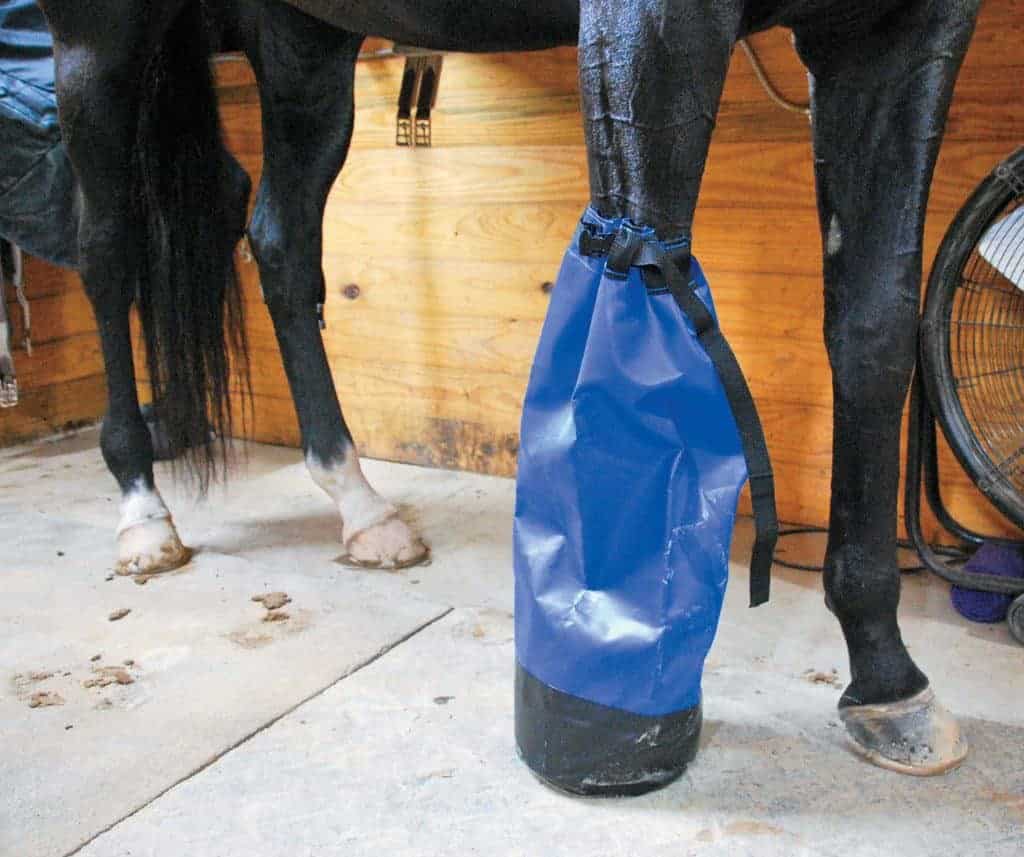
Of the 1,076 respondents, 48% said they soak the affected foot in Epsom salts and water if they suspect an abscess.