Degenerative Joint Disease in Horses and Adequan i.m.
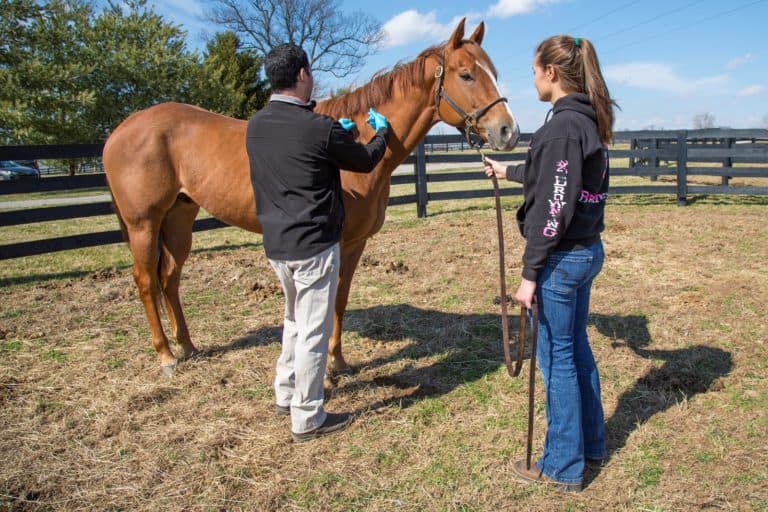
Dr. Avi Blake describes degenerative joint disease in horses and Adequan® i.m.

Dr. Avi Blake describes degenerative joint disease in horses and Adequan® i.m.
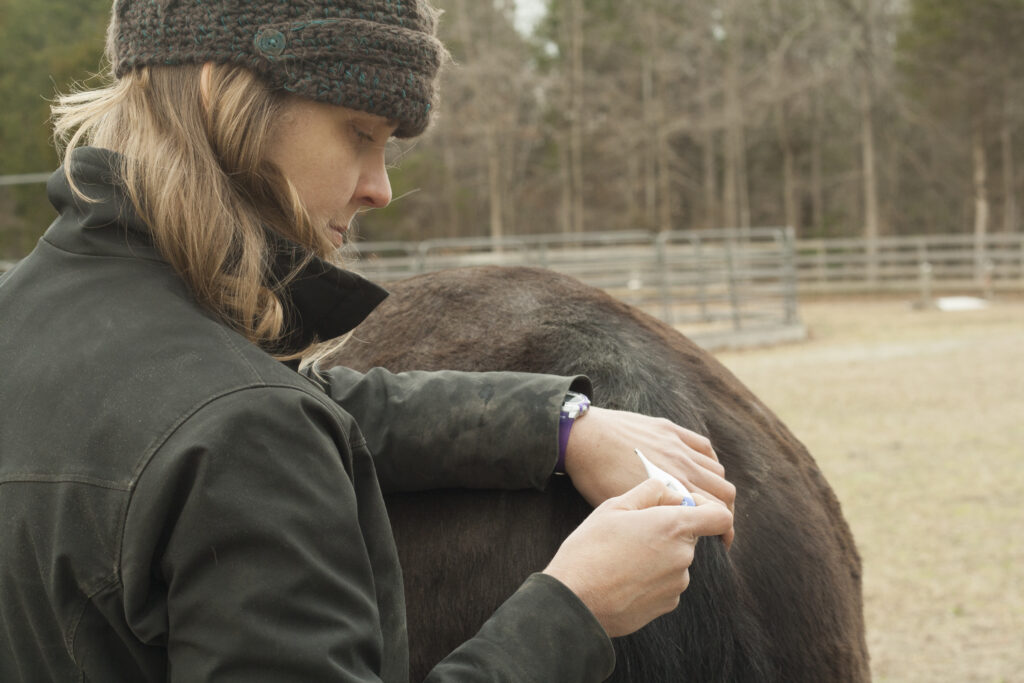
During this presentation and Q&A, you’ll discover the causes of fever in horses, how veterinarians treat them, and when a fever is an emergency.
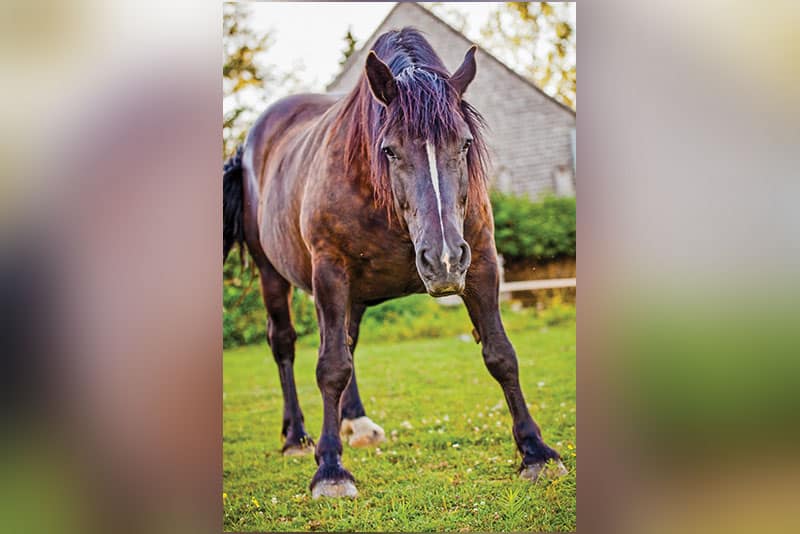
Abby Keegan, MS, PAS, an equine nutritionist for Cargill North America, will present considerations for designing appropriate diets for horses with equine metabolic syndrome (EMS) and how newly FDA-approved chromium might be beneficial. She’ll also share real-world example diets.

Get up-to-date, research-based information about early diagnosis and how to help care for your horse with Cushing’s disease.
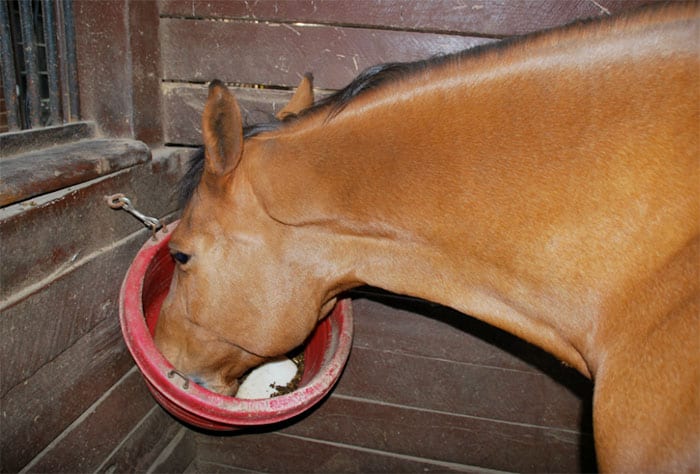
Showing, training, traveling, or even lifestyle changes can put your horse under stress that risks his health. The right nutritional choices can support his immune system, GI tract, and overall well-being. Learn how.

Good nutrition and attention to GI health are the best ways to prevent leaky gut syndrome and heal horses with leaky guts.

Osteoarthritis can hinder and even end the athletic careers of otherwise healthy horses. Learn more about early intervention and management during our webcast.
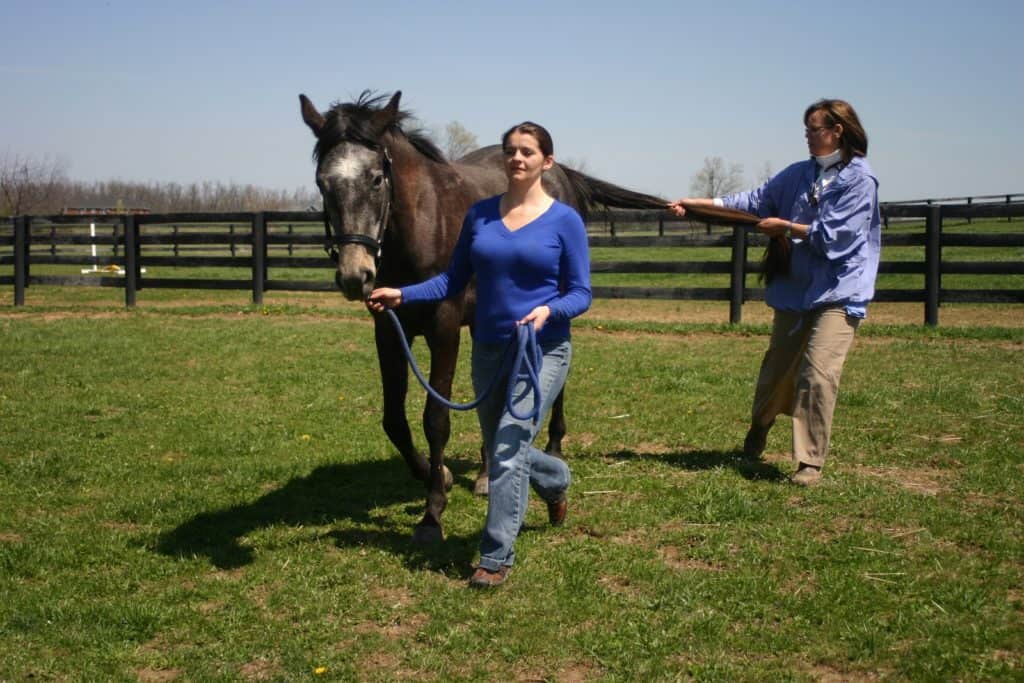
Learn about the newest advances in testing for and treating EPM in horses, as well as long-term management strategies.

Shock wave is a noninvasive, nonsurgical therapy for orthopedic conditions. Learn how it can help your horse.

Learn about equine intra-articular joint-injections for arthritis from a leading researcher and practitioner.

Stem cells offer a new and seemingly futuristic way to treat equine injuries. In this webcast Ross Rich, DVM, PA-C, shares his eight years of experience and results using adipose (fat)-derived stem cells to treat orthopedic injuries in horses.

Nutrition, dental care, exercise, and age-related diseases can all become issues for horses as they age. In this webcast, Dr. Dianne McFarlane offers suggestions on how to best manage and care for senior horses.

By reviewing methods of identification, including hot branding, freeze branding, microchipping, drawings/photographs, DNA analysis, lip tattooing, and new iris scan technology, Dr. McInturff will explain the pros and cons of each method.
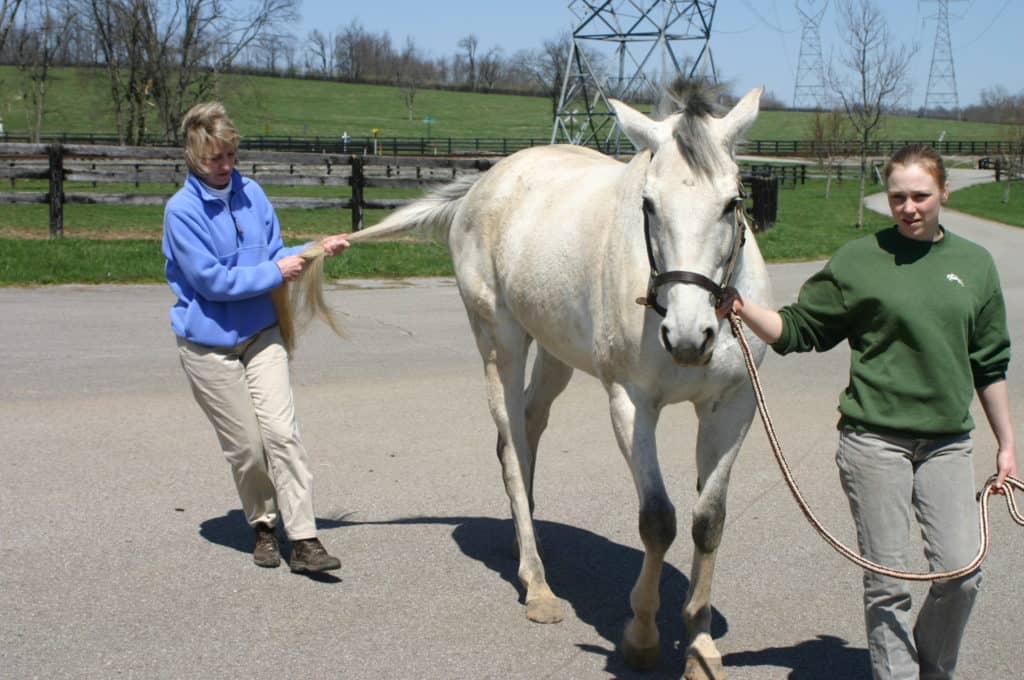
Dr. Steve Reed of Rood & Riddle presents case studies and videos of horses with Equine protozoal myeloencephalitis (EPM), offering insight on diagnosis and treatment from the clinician’s perspective.
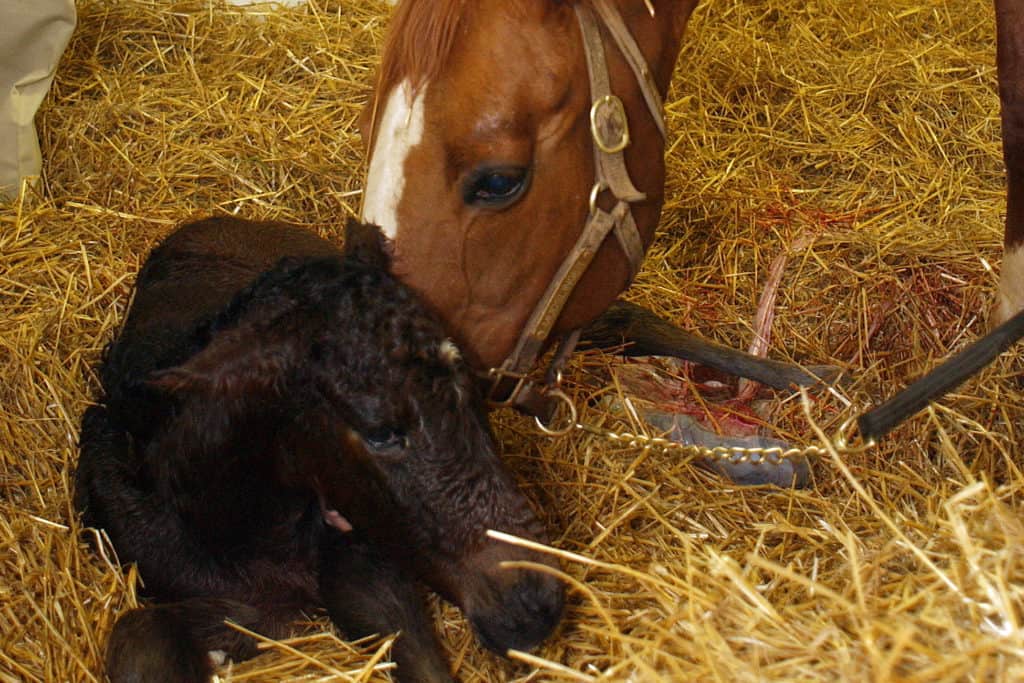
Breeders must work closely with their veterinarians, optimize mare care for her health and that of her foal, offer any help that’s needed during foaling, and provide the care the young foal needs for the best possible start in life.

Are you concerned about worms in your horses? If you’re not, you should be! Learn why we need to learn to live with the worms to a degree, and how to protect your horses while minimizing dewormer resistance.