Equine Oat Research Advisory Board Calls for Pre-Proposals
Pre-proposals should focus on one or more of three horse health and oat related research topics.

Pre-proposals should focus on one or more of three horse health and oat related research topics.
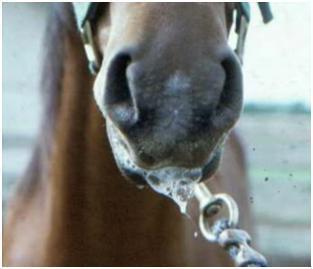
Mycotoxin exposure in horses, caused by feed contaminated with fungi, can be dangerous or fatal.
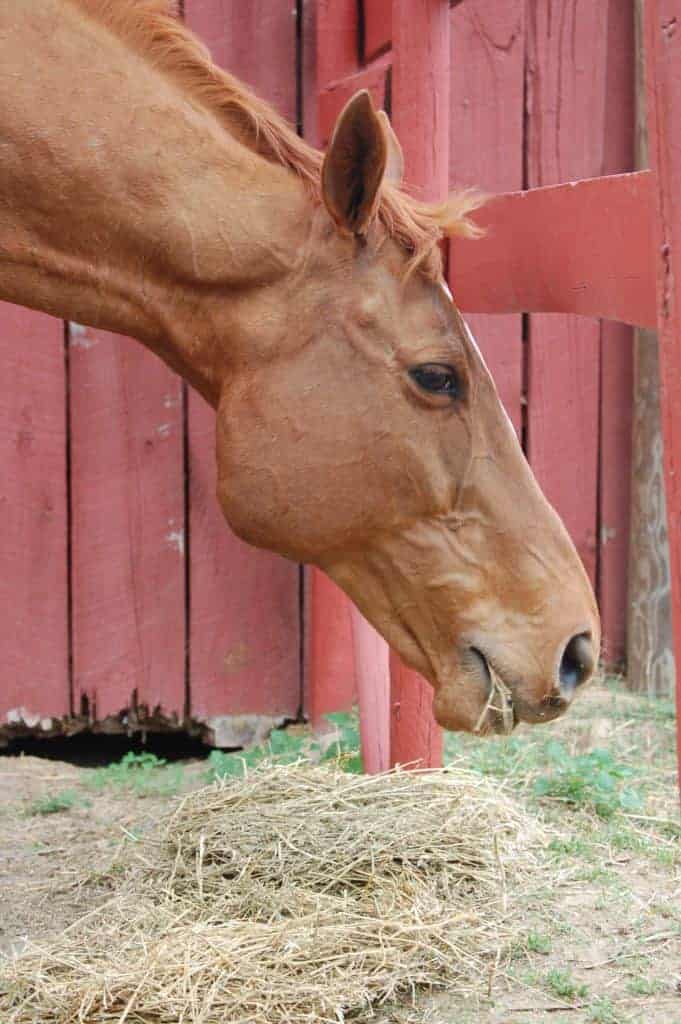
Nutritional choices can either help or hinder a horse’s health problems, diseases, or ailments.
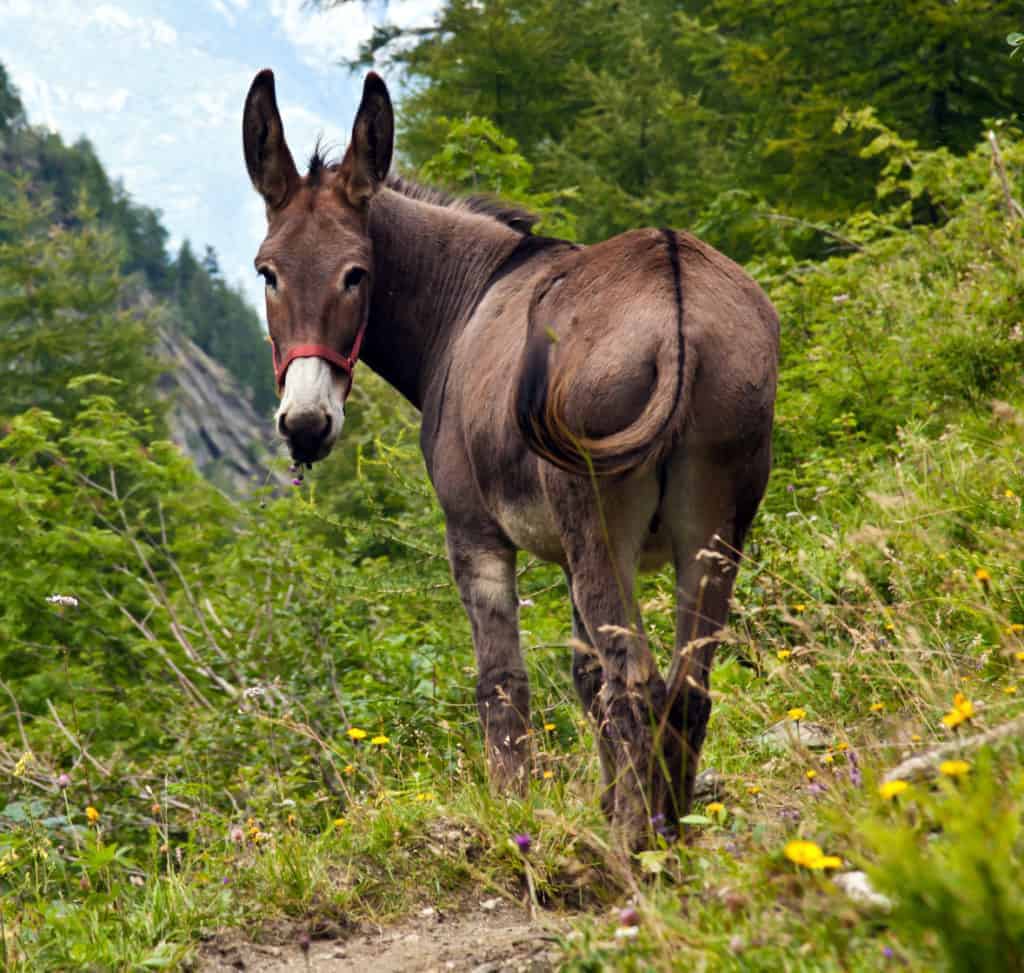
Feeding draft horses, miniature horses, ponies, mules, and donkeys requires special some considerations.

Appropriate forage, forage alternatives, and/or concentrates can keep aged horses at a healthy body condition.

Researchers found that some horses with inflammatory small bowel disease could have a gluten intolerance.

“A moderate intake of NSC (30% of total DE) is perfectly fine for non-obese normal horses,” Pagan concluded.
Overfeeding these horses can cause them more harm than good. The best initial feed is often good-quality hay.
Topics of discussion will include vitamin and mineral supplementation, managing hay, and ration balancing.
Horses need more feed to replace energy loss brought about by harsh conditions as the temperature turn colder.
A better equine feeding system will offer small amounts of grain and forage over many hours.
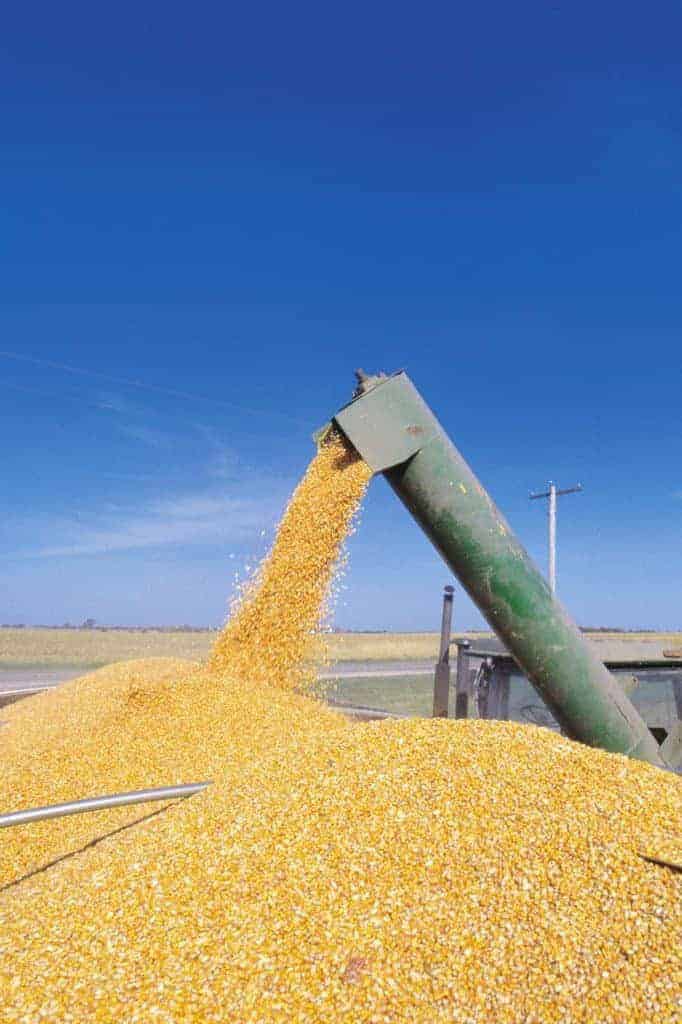
More corn will be used to produce ethanol fuel than food, which could mean an increase in horse feed prices.
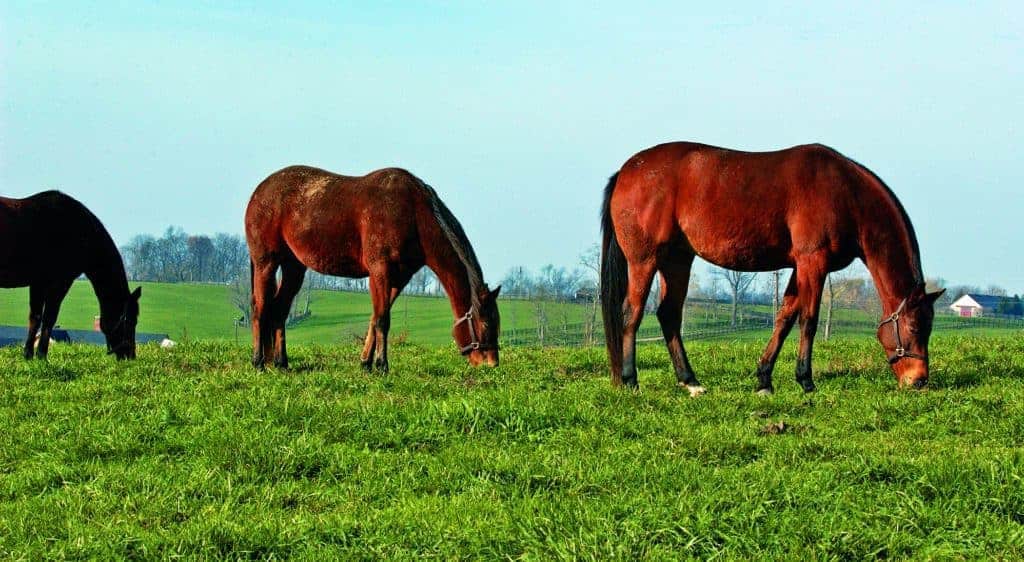
With a little forethought you can maintain that all-important digestive health throughout the year.
A lack of scientific research in equine nutrition makes it difficult to base a feeding program solely on
How do you design a feeding program that mimics how horses’ feeding habits have evolved?

Gastric ulcers can affect horses of all breeds, ages, shapes, and sizes, including weanlings.