Texans Ponder Drought’s Long-Term Equine Impact
Some rescue operators are making hard management choices as feed, hay, and other resources become scarce.

Some rescue operators are making hard management choices as feed, hay, and other resources become scarce.
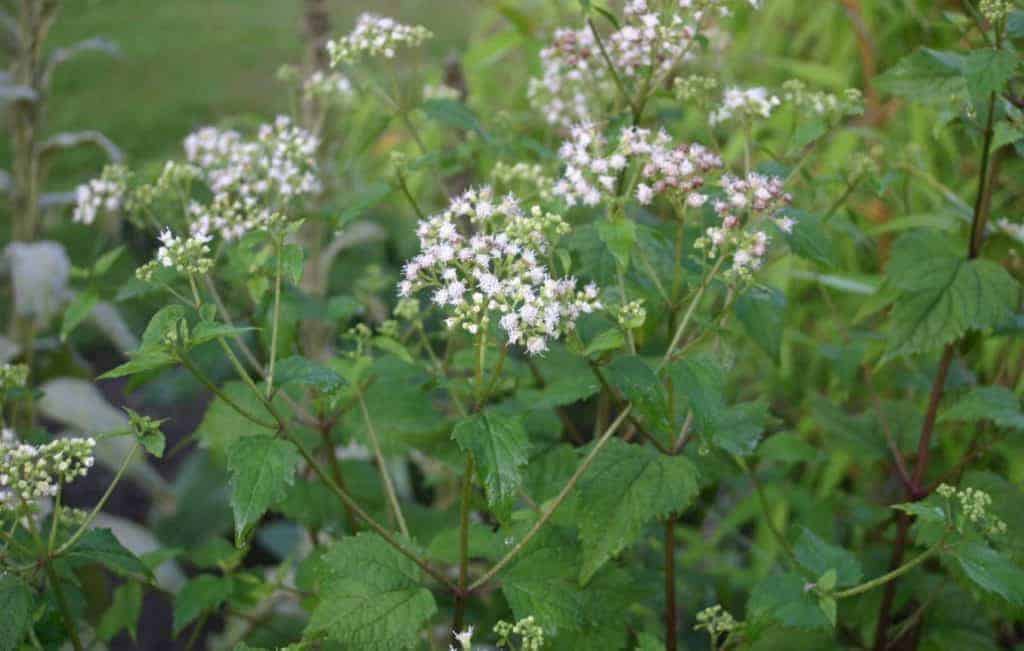
White snakeroot is a warm-season perennial frequently found in shaded areas of pastures near streams or woods.
This year’s program will focus on pasture weed control, reducing parasite loads, and when to fertilize.
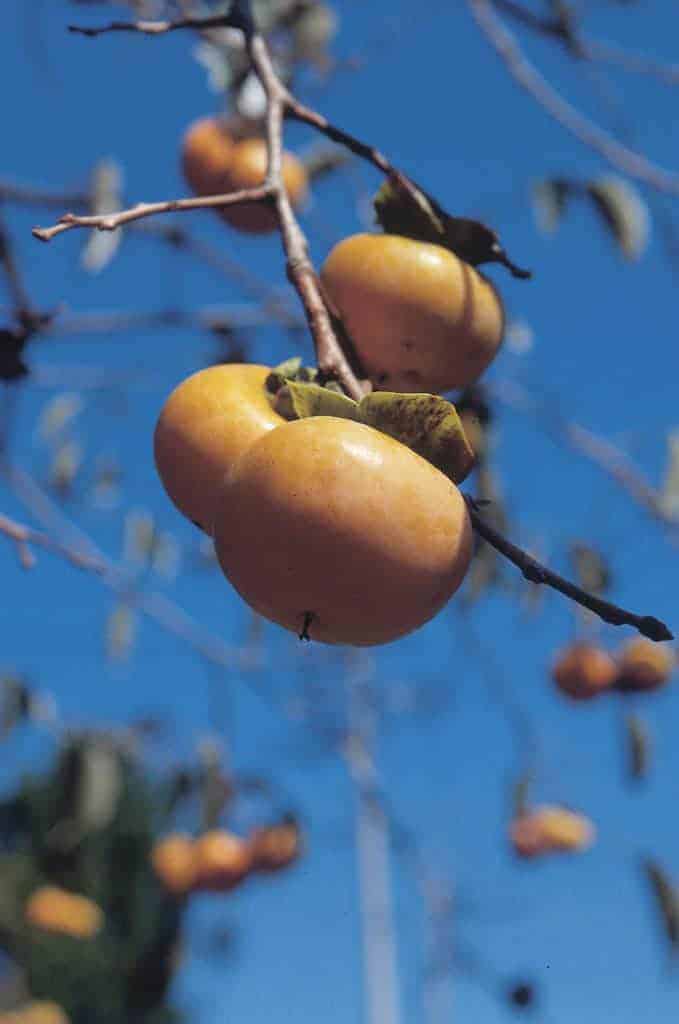
Persimmon fibers and seeds can create an obstruction in the GI tract, resulting in serious impaction colic.
Topics of discussion will include vitamin and mineral supplementation, managing hay, and ration balancing.
The $4,000 grant will be used to buy hay for the organization’s rescued horses.

Season variations in ACTH levels are found in some geographic areas, while no changes take place in others.
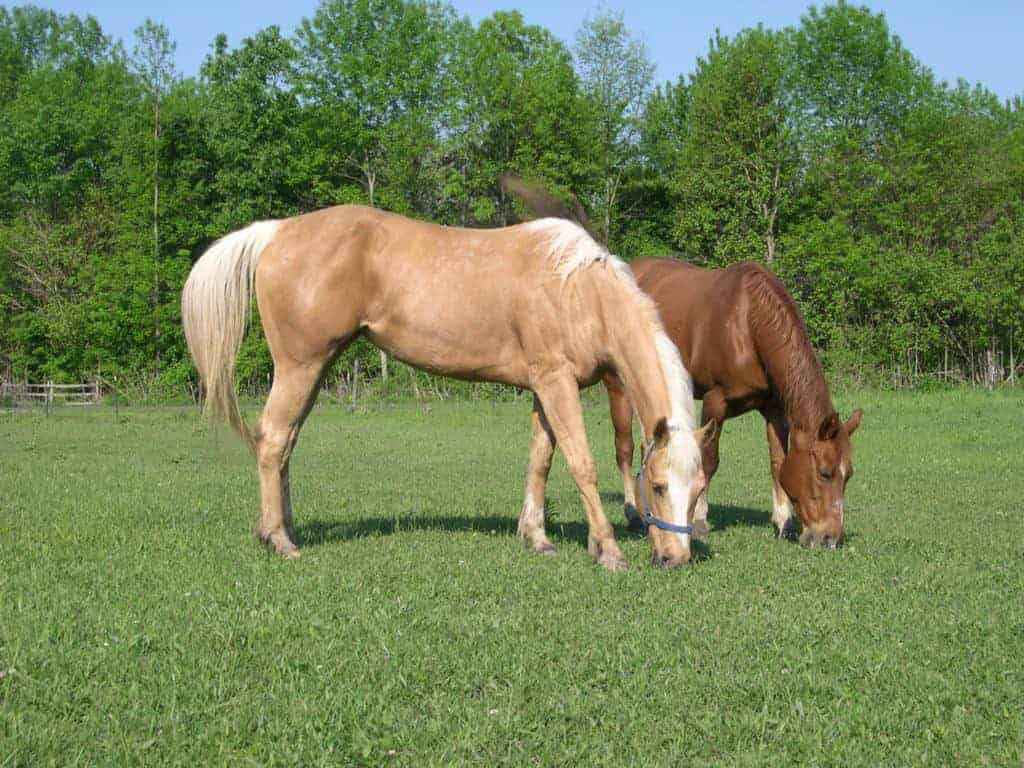
Atypical myopathy–a sudden onset of acute muscle pain and damage–is related to pasture rather than exercise.
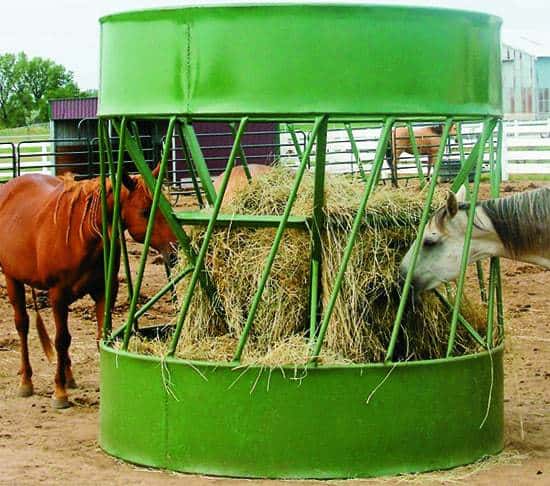
Several round-bale feeders are available, but how well do they prevent hay waste? And are they cost-effective?
France and Great Britain each logged 34 cases in 2011, while just four cases were diagnosed in North America.

Horses need more feed to replace energy loss brought about by harsh conditions as the temperature turn colder.

Horses do not have the same drive to drink while competing as humans, one researcher explained.
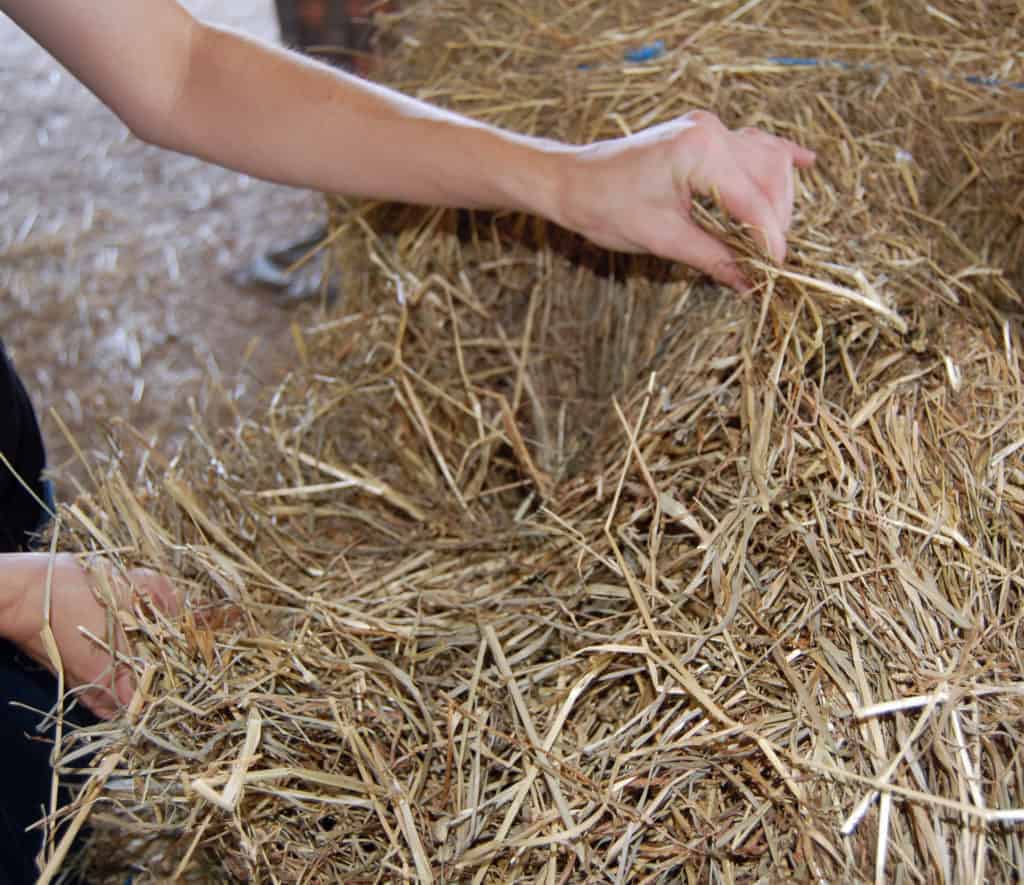
Good-quality hay is an important component of a horse’s diet in the winter when fresh pasture is unavailable.
A better equine feeding system will offer small amounts of grain and forage over many hours.
According to one pasture management specialist, drought-weakened pastures might not recover for several years.
According to one team of researchers, WSC reduction varies depending on how long the hay is submerged.