USDA Forage Research Unit at UK has Equine Focus
UK is home to a unique USDA research unit that focuses a large portion of of its forage research on horses.

UK is home to a unique USDA research unit that focuses a large portion of of its forage research on horses.
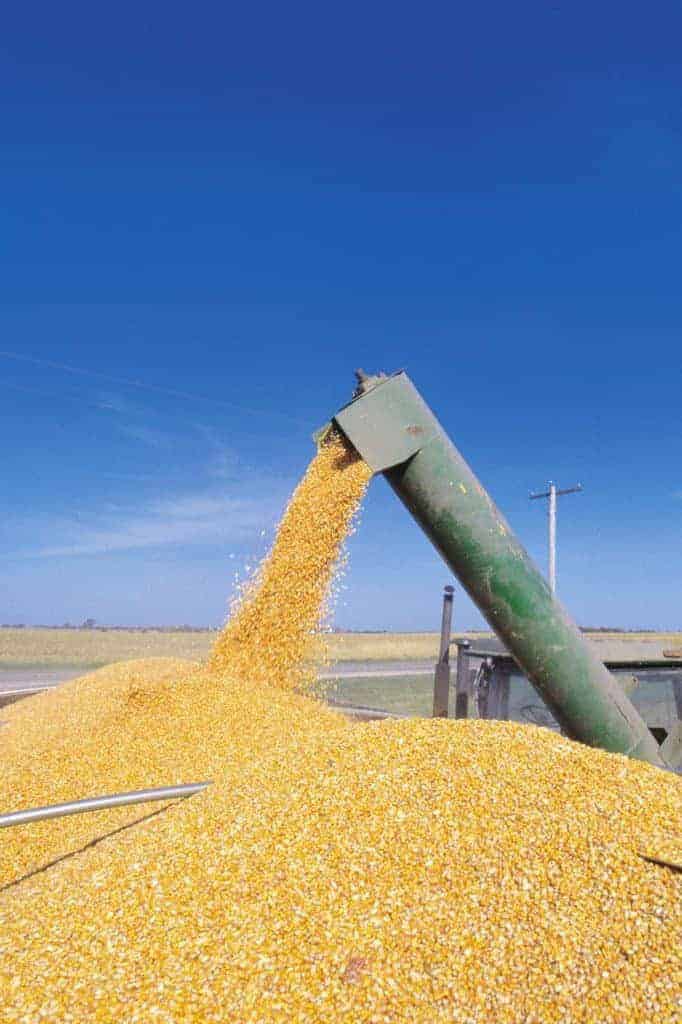
More corn will be used to produce ethanol fuel than food, which could mean an increase in horse feed prices.
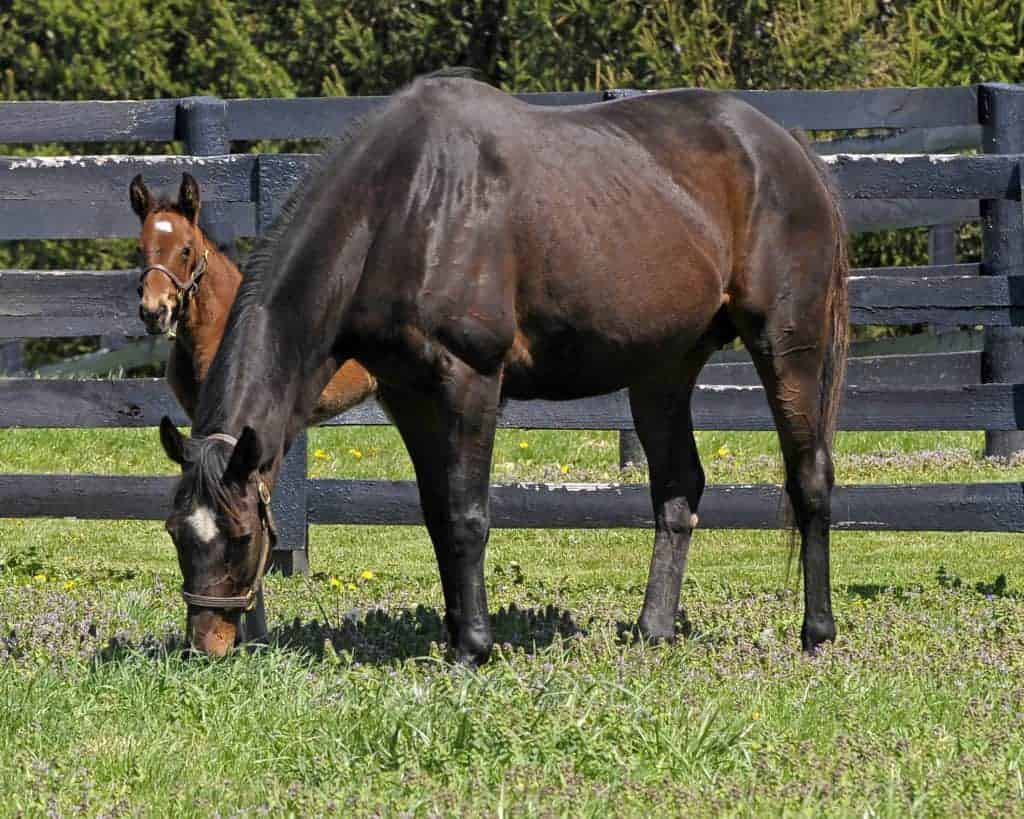
Tall fescue produces a toxic alkaloid that causes disorders in broodmares that consume the forage.
Horse owners, livestock producers, and farmers are all looking for help in getting through the dry spell.
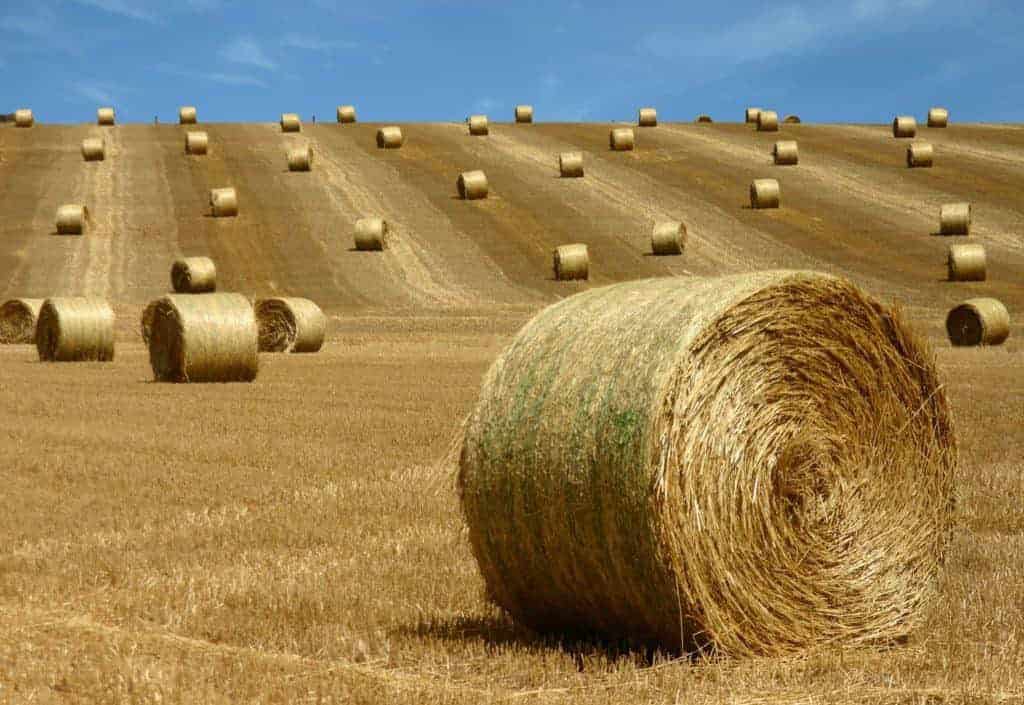
As Texas battles extreme drought, horse owners struggle to get their hands on enough hay for their horses.
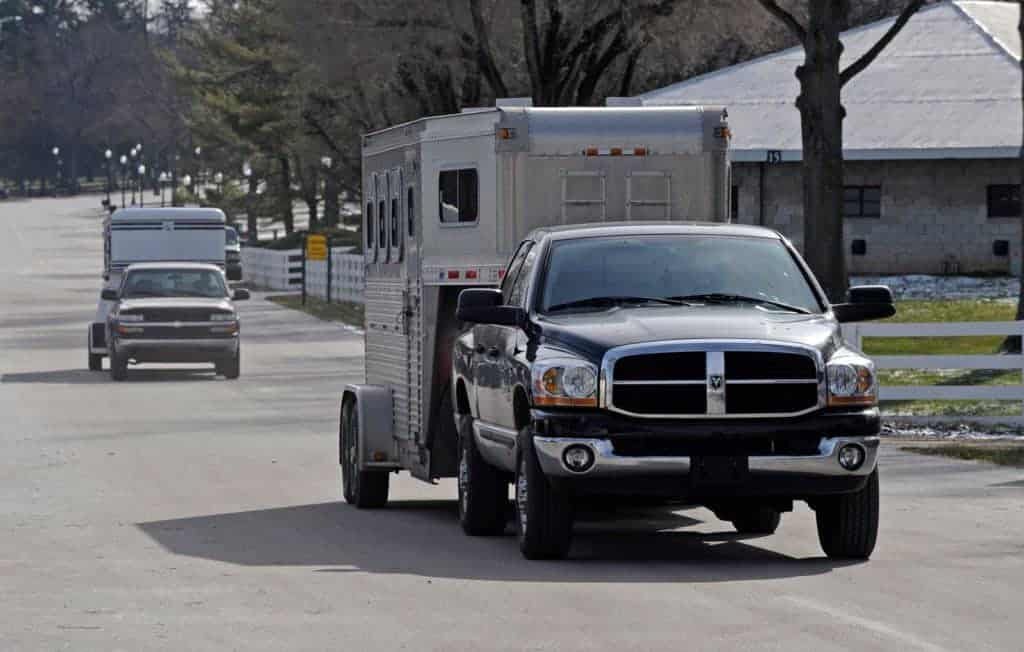
In true summer riding season fashion, horse owners are heading down the road to trail rides and shows.

Which equine nutritional supplements have the research to back up their claims?
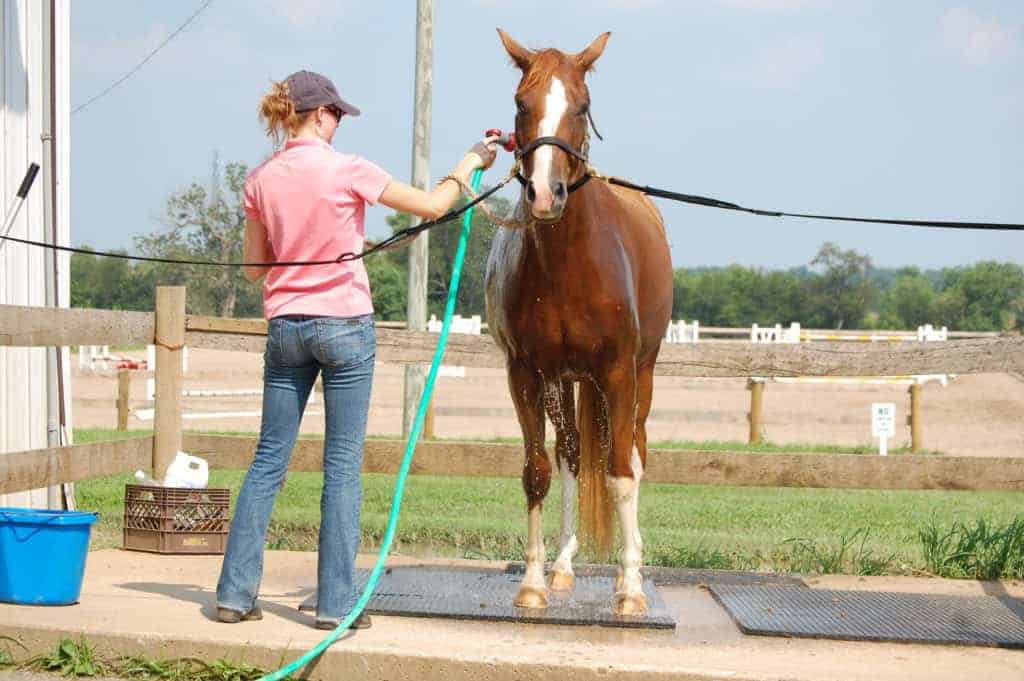
For riding enthusiasts, summertime necessitates paying extra attention to your horse’s physical needs.
William W. Witt, PhD, was featured in a video produced by TheHorse.com that won third place at the American
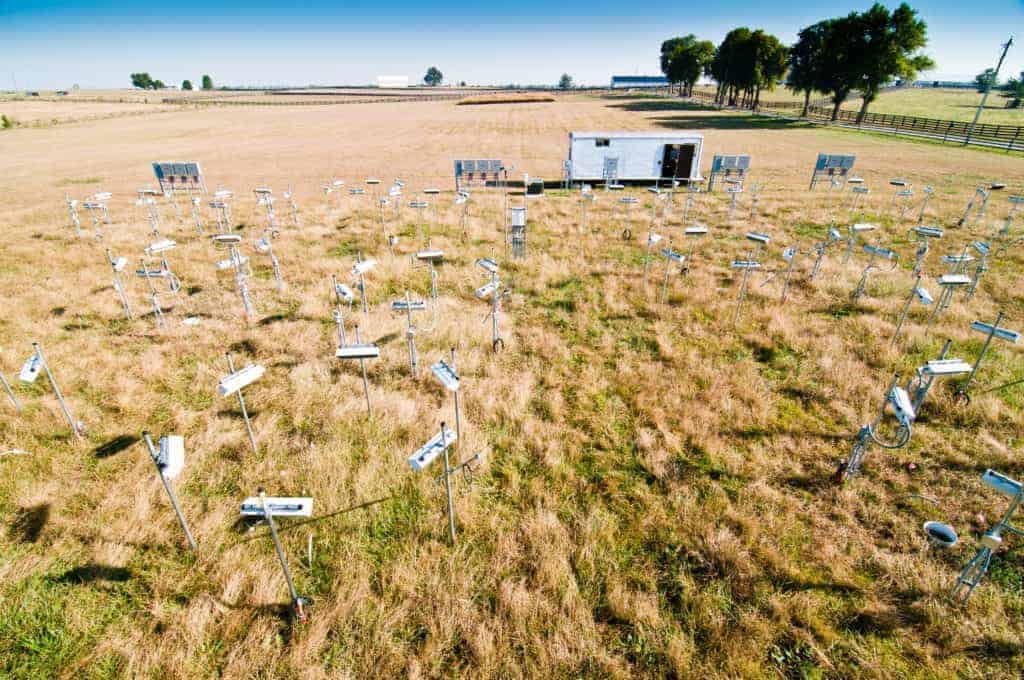
Rebecca McCulley, PhD, is studying how climate change could affect Kentucky pastures’ composition and what
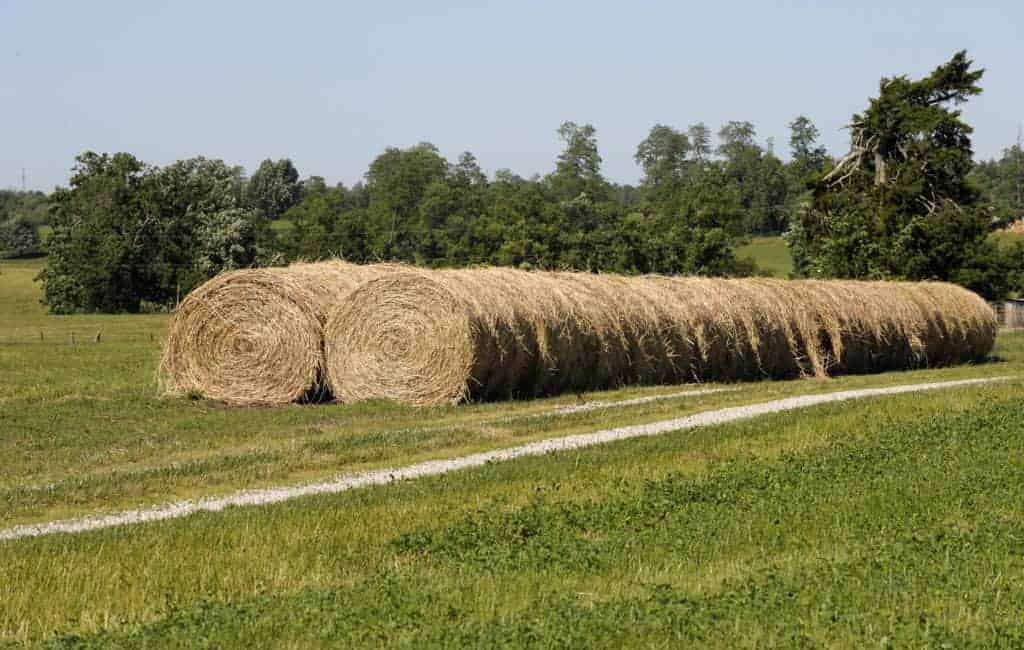
Exceptionally wet weather delayed hay cutting this spring, but producers likely still have time to grow and…
As lush summer grass grows, unfortunately so does your horse’s risk for laminitis.

Here are some tips for horse owners on how you can use water wisely throughout the summer, and even into the rest of the year.
Ensuring your horse maintains a balanced calcium and phosphorus ratio in his diet is critical, as horses with
Education has always been at the heart of the annual Michigan State University (MSU) Ag Expo. Whether it’s a
Proper electrolyte balance and hydration should be a main priority for horse owners. In stressful situations,