Build a Low-Cost Hay Feeder
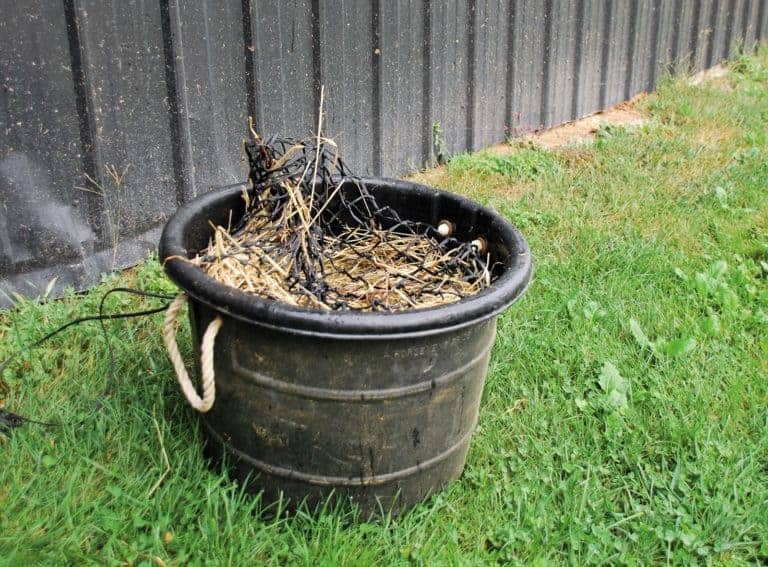
Tired of seeing your horse eating in mud? Or wasting hay that gets buried in filth? Here’s any easy, low-cost way to build a chore-efficient feeder.

Tired of seeing your horse eating in mud? Or wasting hay that gets buried in filth? Here’s any easy, low-cost way to build a chore-efficient feeder.
For many years horse owners and veterinarians thought the nutrient needs of pregnant mares increased only at the end of gestation. But new research shows that pregnant mares’ nutrient needs increase as early as the fifth month of gestation.
With budgets tight, a number of horse farm managers have reduced costs by using a hay harvest of overmature grass pastures for bedding. On the surface it makes sense to bed stalls with this stemmy hay. But be cautious when using it for pregnant mares in their last trimesters.
Fall is a good time to take stock of the quality of horse pastures. The weeds that were most prevalent and uncontrolled during the summer will now be large and producing seeds.
While most horses get the majority of their nutrients from pasture and grain, many might not be receiving the mineral nutrition needed for optimum health.

Alsike and red clover can be associated with less common conditions in horses such as photosensitivity and liver disease.

Equine Insulin Resistance is a reduction in sensitivity to insulin that decreases the ability of glucose to be transported into the body’s cells from the bloodstream.

A hot humid day. One rider. One horse. Both are exercising at a moderate level. Who is more likely to overheat?

Loss of electrolytes has far-reaching consequences, impacting virtually all of the horse’s body systems.

The term “easy keepers” refers to horses and ponies that maintain or gain weight on a minimum amount of food.

Oral supplements might be indicated for horses with dry, cracked, or brittle hooves.

Vitamins and minerals are two of the six essential nutrients required by horses (the other four are water, carbohydrates, protein, and fat).

Supplements, or nutraceuticals, are thought to have some beneficial effects for horses, but more studies are necessary.

Just because a horse is older does not mean he needs a special diet. However, many older horses with special physical or nutritional needs (geriatric horses) require specific diets and feed modifications to maintain good health and body condition.
With the early onset of warm temperatures this spring, stored grain operators need to closely monitor their inventories to stay ahead of any problems that may result in a loss of grain quality.
A recent study found that horses with pica–a propensity for consuming non-food items–have lower iron and copper blood levels than horses who restricted themselves to food items, only. According to researchers from Turkey, “prophylactic u