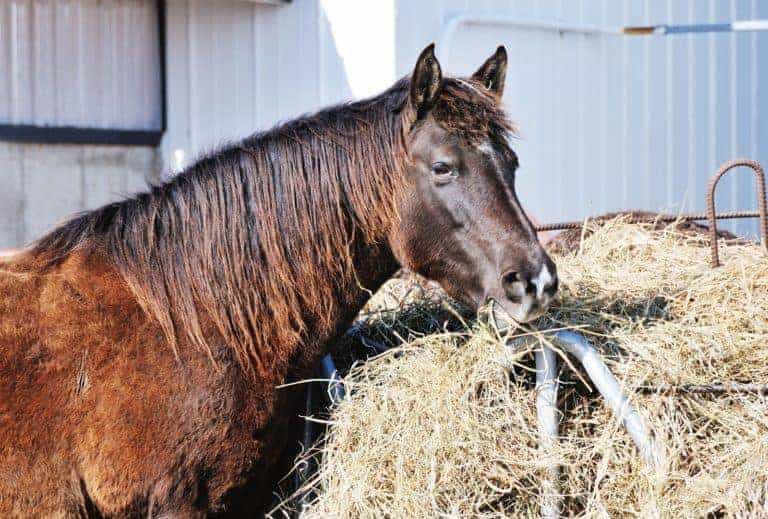
Mind the Gap: Feeding the Toothless Horse
If your senior horse has few to no teeth, he might not be chewing and digesting the nutrients he needs to maintain his health.

If your senior horse has few to no teeth, he might not be chewing and digesting the nutrients he needs to maintain his health.
Remember these tips to help your horse’s transition from his old home to his new one go smoothly.

Your horse might be benefiting from wheat middlings in his feed, which can help lower starch levels while maintaining a considerable calorie content.

Dr. Liz Arbittier encourages owners and caretakers of senior horses to call their vet if they notice any changes in health or behavior, even when it seems minor, to identify issues and begin treatment early. Here’s what to watch for.
Give your equine valentine something he or she will truly appreciate.

Horses consuming a particular supplement had higher high-molecular-weight adiponectin blood concentrations and lower insulin concentrations than when they didn’t consume it. And this, researchers say, could help reduce laminitis risk. Here’s why.
Dr. Dominic Dawson, an internal medicine specialist at the University of California, Davis, discusses important old horse dental issues and makes dental care recommendations for aging equids.
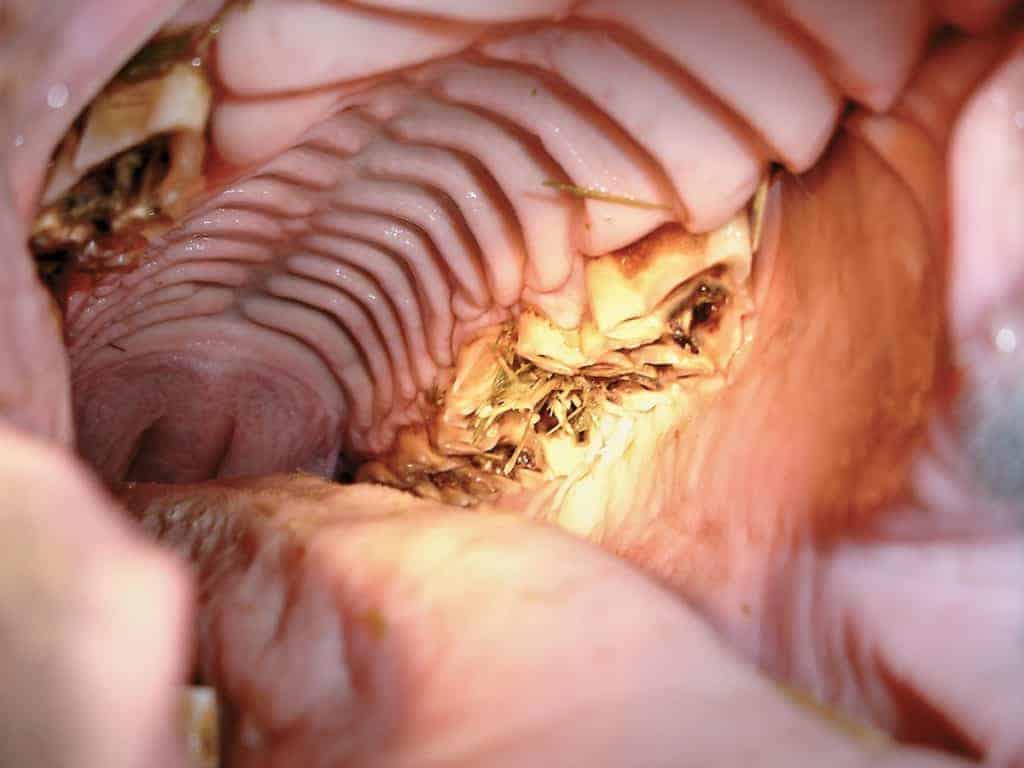
Are your horse’s teeth bothering him? Here are some common signs to watch for.
Food-aggressive horses might escalate their attempts to ask for treats, like bumping humans with their heads, to more aggressive food-guarding behavior, one equine behaviorist says.

Although it can be damaging if fed improperly, starch can be an important part of horse diets. Here’s what you should know.

The foal’s dam developed atypical myopathy in the sixth month of gestation. The foal, born at full term, was eventually euthanized due to atypical myopathy complications.

Researchers found that one in 10 horses or ponies develop an episode of laminitis every year, but only half of those episodes were diagnosed by a veterinarian.
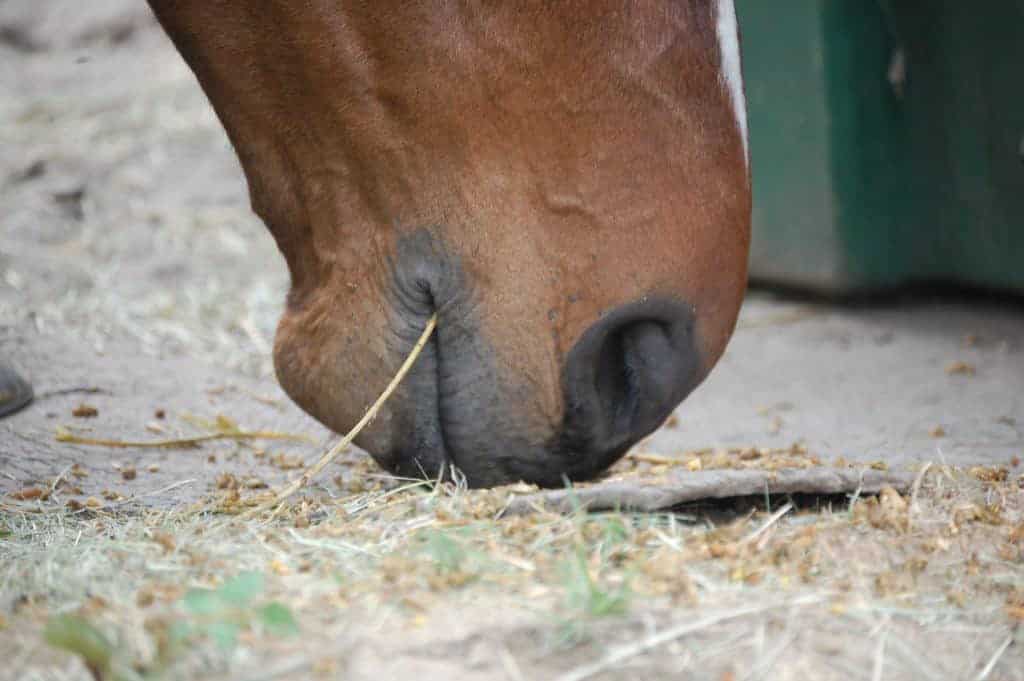
Does your horse fling food all over his stall during meal time? Our nutrition expert shares some tips you can try to keep your horse’s enthusiastic eating behaviors from wasting feed.

Do you have a skinny horse? Here are some tips you can use to help him return to an ideal weight.
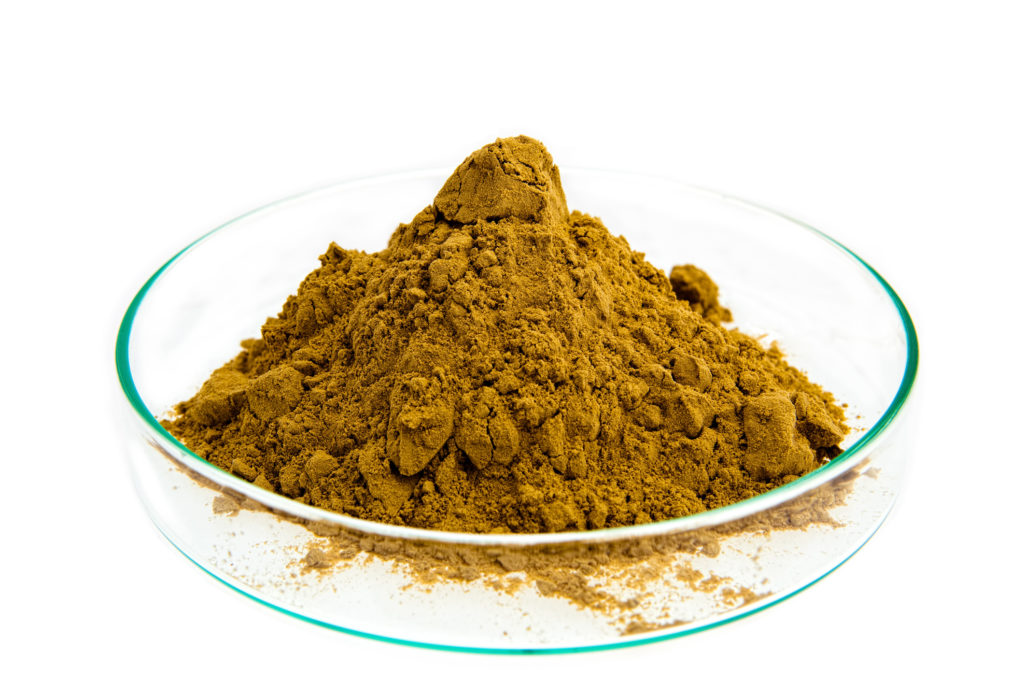
Researchers determined that Devil’s claw extract did not cause any clinically detectable adverse effects in horses following oral administration.

Horses require extra attention when low temperatures are accompanied by wet and windy conditions. Here’s how to help your horse cope with winter weather.