Resolve to Weigh Your Horse’s Feed
Do you want to make sure your horse is getting the right amount of feed? Use a scale!

Do you want to make sure your horse is getting the right amount of feed? Use a scale!

Watch for these conditions that impact nutrient absorption and lead to weight loss in horses.

When fed with forage, ration balancer pellets supplement equine diets without excess calories.

Are there any parameters for offering senior feeds to horses diagnosed with Cushing’s and laminitis?

Researchers investigated oral esomeprazole and a long-acting injectable omeprazole formulation.

Audio features on behavior, old horse care, mud management, skin issues, caring for your new horse, and more.

View information on skin conditions, deworming, staying sane on stall rest, feeding, conditioning, and more.

Articles on behavior and equitation science, wound care, laminitis, beet pulp, hoof care, and more were popular in 2016.

Equine nutritionist Dr. Clair Thunes offers advice for supplementing horses that eat from inconsistent hay supplies.

Many horses are well-equipped to live outdoors and thrive, provided certain provisions are met. Here’s what to remember.

Horses are at risk for impaction colic if they eat substantial amounts of dry matter without drinking enough water.

Tweets from the Kester News Hour and other sessions on dental care, soft tissue injuries, saddle fit, and more.

Przewalski’s and domestic horses feed exclusively on grass, while wild asses feed on grass along with shrubs in winter.

A reader asks about the risks and benefits of her horse eating a favorite treat: grapefruit. Our nutritionist weighs in.

Help kick-start your horse’s furnace by providing proper fuel, particularly good-quality forage.
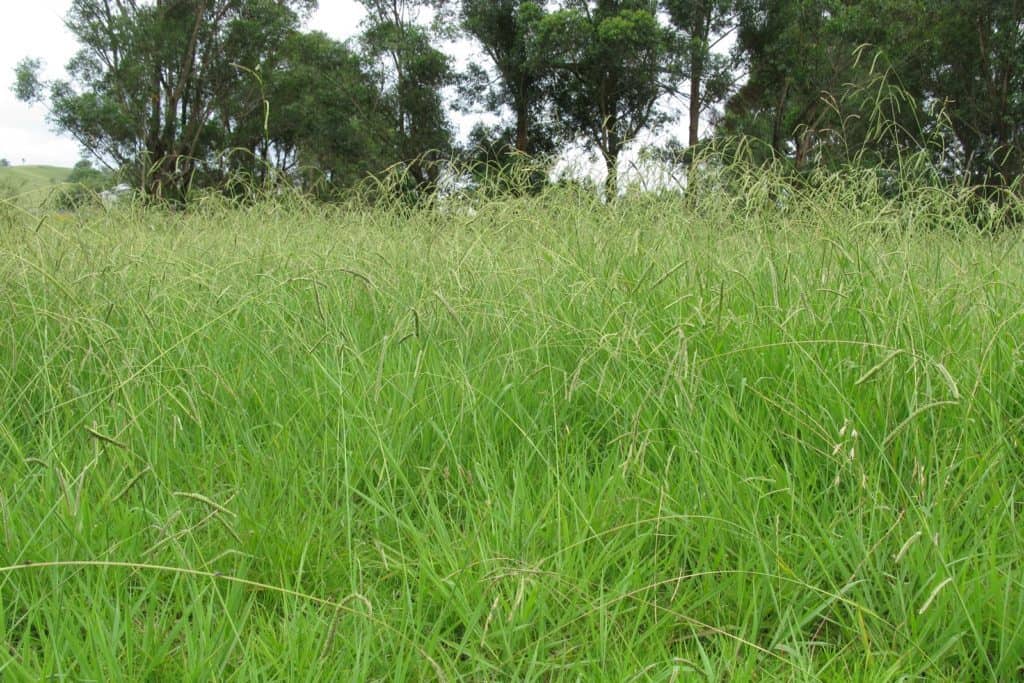
Scientists believe a batch of hay containing dallisgrass caused neurologic problems in horses residing in Bell County.