Equine Metabolic Syndrome Facts
Equine metabolic syndrome (EMS) is a metabolic disorder in horses that can cause obesity, insulin dysregulation, and laminitis. Sponsored by Equithrive.

Equine metabolic syndrome (EMS) is a metabolic disorder in horses that can cause obesity, insulin dysregulation, and laminitis. Sponsored by Equithrive.

One reader wants to know how she can manage her metabolic horse that is also prone to gastric ulcers. Here’s what she should consider.

Horses with EMS are often overweight or obese and also at an increased risk of developing laminitis. Implement these 5 strategies to manage your EMS horse more effectively.

Overweight horses and some breeds are predisposed to metabolic problems. Here’s how to feed horses with ID and calculate if your horse’s meal has a safe level of NSCs.

Does your otherwise healthy horse have trouble keeping pounds on? Here are 5 tips to consider when feeding the mature, healthy hard keeper.

An owner asks for help feeding her mare who needs to gain weight but is proving to be a picky eater. An equine nutritionist shares some advice.

As you consider ways you can help your foal—and his dam—through the weaning process, examine methods based on research.
Don’t balk at the S-word on the feed label. It might be just what your adult horse needs.

Learn about feeding basics, from hydration and forage to feeds and supplements, so you can make the best nutritional choices for your horse.

Grazing horses at night can help keep them at a healthy weight and reduce their sugar intake.

Choosing a diet that is low in starch and sugar can help reduce excess muscle glycogen storage in horses with PSSM.
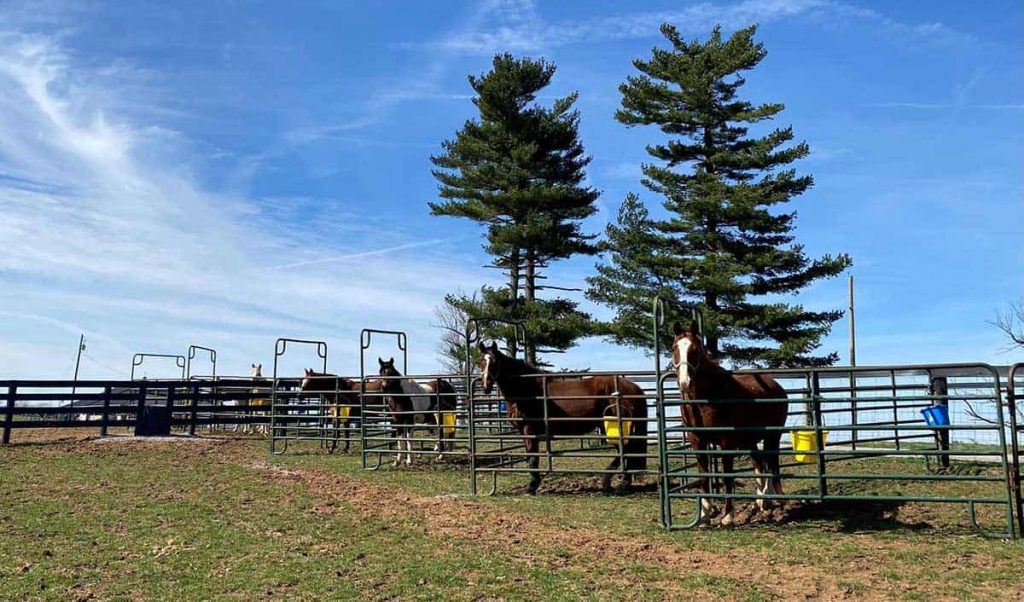
All horses and ponies have a different threshold for NSCs, but researchers are beginning to better understand how to feed horses with ID and EMS.

An equine nutritionist’s advice on choosing treats for horses and ponies that might be prone to insulin dysregulation, obesity, or EMS.
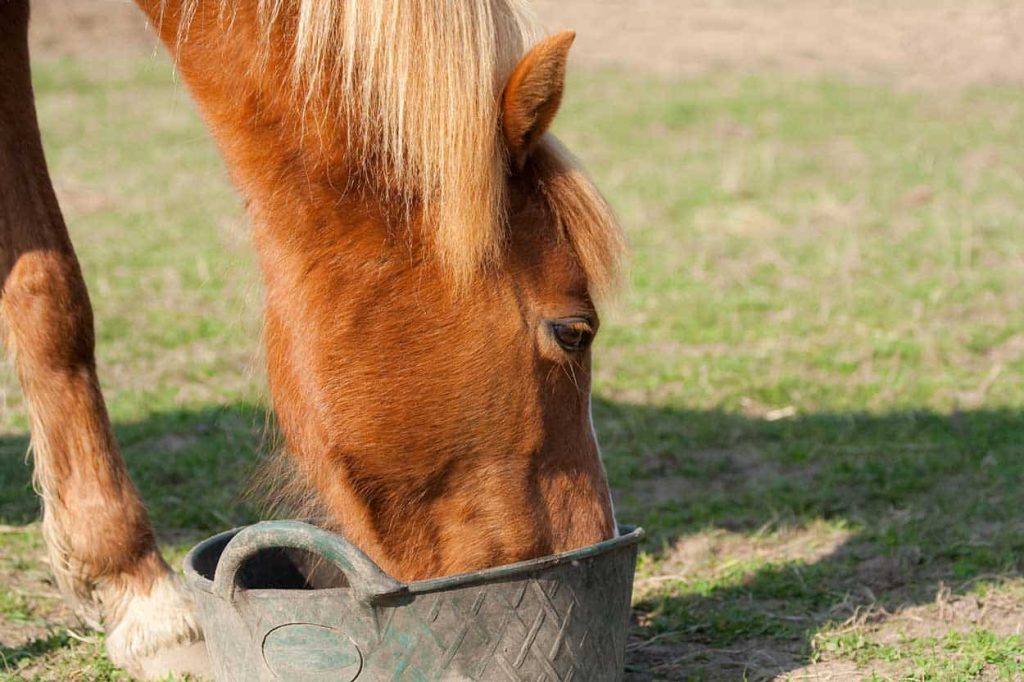
Owners should take an individual and regional approach to planning low-NSC diets for ID horses.

A veterinarian says both age and breed can affect a horse’s predisposition to insulin resistance.

Insulin moves glucose from the blood into muscle and other tissue, but sometimes the process doesn’t go smoothly.