Sunburn vs. Photosensitivity: What’s the Difference?
Dr. Rose Nolen-Walston helps distinguish painful sunburn from potentially fatal photosensitivity.

Dr. Rose Nolen-Walston helps distinguish painful sunburn from potentially fatal photosensitivity.

Do you have a horse with pink skin? Learn how to keep him from burning this summer.

Weight gain is a common sign of EMS. But what other indicators should horse owners watch for?

Vet and farrier Dr. Vernon Dryden offers insight into foot care for horses suffering from EMS-related laminitis.

Certain breeds seem more susceptible to EMS. Dr. Amanda Adams shares information about possible genetic links.

University of Kentucky researcher Amanda Adams, PhD, gives an overview of EMS and how it affects horses.

Equine metabolic syndrome can cause obesity, insulin resistance, and laminitis. Find out how to care for your EMS horse during our live event.

Outbreaks occur at horse shows and racetracks. But are trail horses susceptible? Dr. Stephen Reed responds.

Now what? Internal medicine specialist Dr. Stephen Reed offers advice.

Dr. Stephen Reed responds to whether or not horses can have EHV and spread the disease but not get sick themselves.

Dr. Stephen Reed shares the clinical signs a horse infected with equine herpesvirus might exhibit.

With EHV cases reported from California to Kentucky already in 2017, get information you need to protect your horse.

EOTRH is a mouthful to say but leaves horses without a mouth full of teeth. Dr. Lynn Caldwell explains.

Dr. Lynn Caldwell shares information about dental issues horses face as they age.
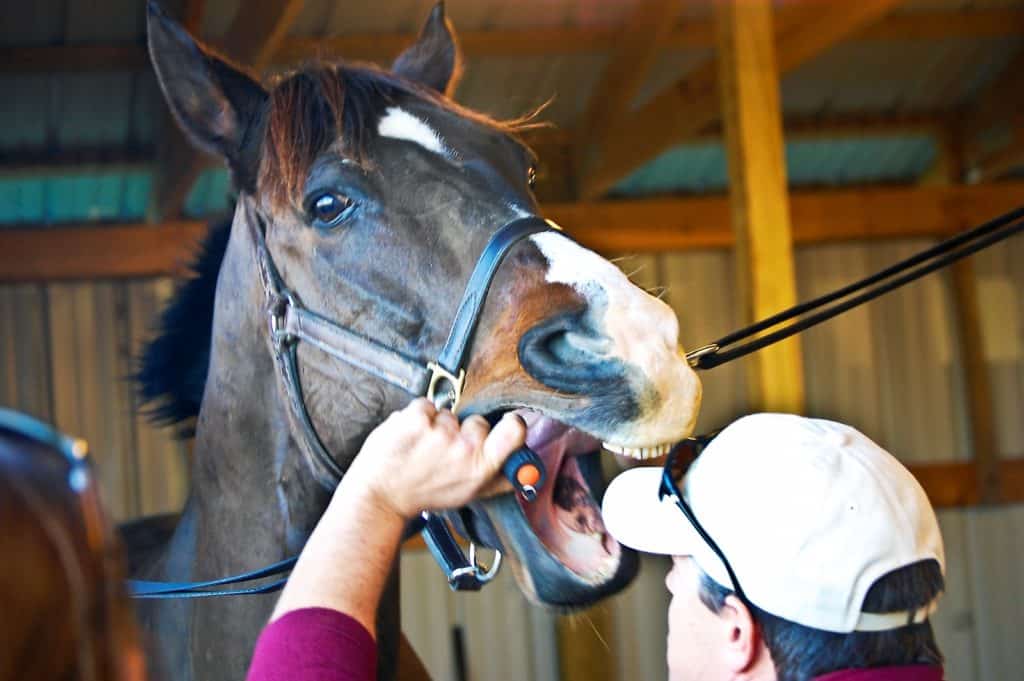
Is your horse up-to-date on his dental care? Learn about equine dental disease, proper oral care for horses, and behavior issues caused by tooth problems.
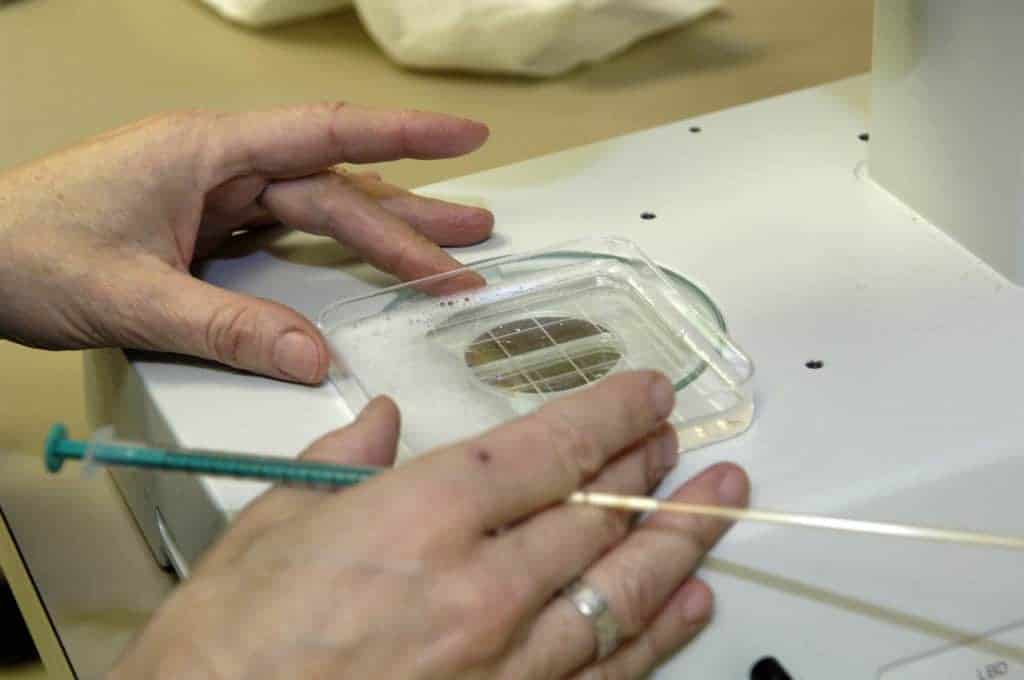
Learn about the steps involved in embryo transfer from CSU’s Dr. Ryan Ferris.