Catastrophic Injuries in Racehorses: KHRC Funds Gluck Center Study
Researchers are examining inflammatory and anti-inflammatory markers’ efficacy as early indicators for potential catastrophic injuries in racehorses.

Researchers are examining inflammatory and anti-inflammatory markers’ efficacy as early indicators for potential catastrophic injuries in racehorses.

The summit, which was organized and underwritten by Grayson-Jockey Club Research Foundation and The Jockey Club, featured discussions on topics ranging from disaster preparedness, jockey injuries, and equine injuries to racing integrity, Thoroughbreds as sport horses, and racing surfaces.

Sessions on pre-race veterinary examinations, documentation, medication rules, and more.

New industry rules intended to improve horse welfare by decreasing whipping frequency might actually go against the principles of operant training and, specifically, negative reinforcement, one equitation scientist says.

Many Thoroughbreds start racing at 2, but Justify didn’t make his first start until he was 3 and won the Triple Crown. Does this mean we shouldn’t start racing horses until they’re older? An equine surgeon and lameness specialist weighs in.

Other topics to be addressed are disaster planning, the Thoroughbred’s versatility as a sport horse, racing surfaces, and more.
Gene doping involves the transfer or modification of genes or genetically modified cells of healthy athletes, human and equine, for nontherapeutic purpose to enhance athletic performance.

Scientists are continuing to uncover which genes are responsible for certain traits in horses.

Trainers should be aware that joint injections can have many benefits, but veterinarians need to be careful about selecting cases to receive this treatment, one researcher said.
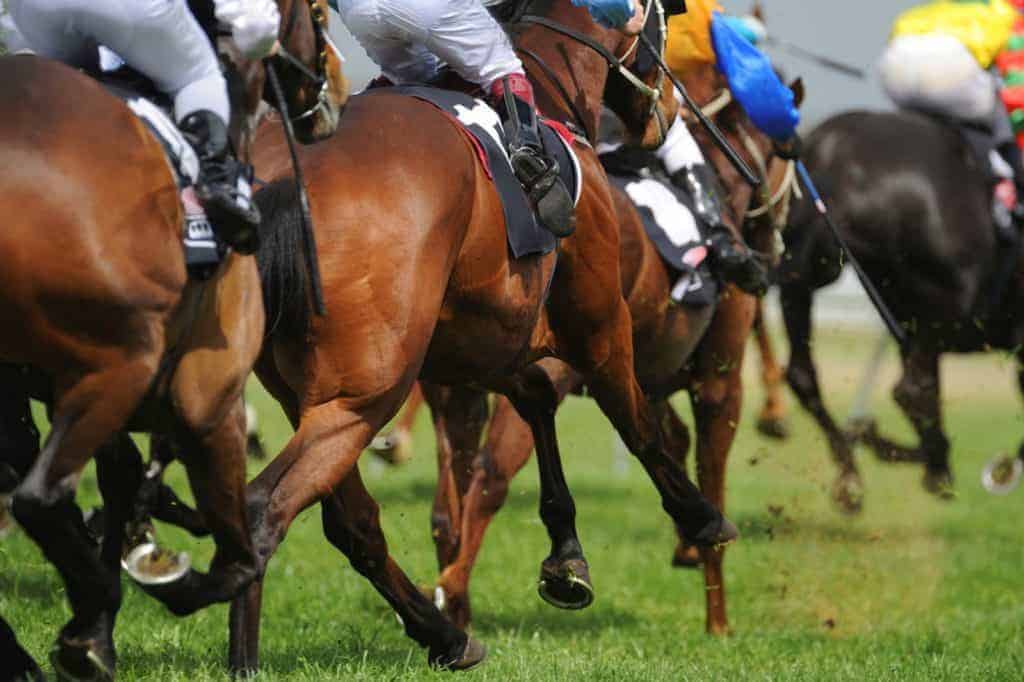
Collaborative efforts among horse health researchers, the racing industry, and governments could lead to effective measures that will improve safety for both horses and jockeys, one equitation scientist says.

Monomoy Girl, a daughter of Tapizar, covered the 1 1/8 miles in 1:49.13.

An ideal conditioning and racing program allows racehorses to perform at their peak, remain sound through their racing careers, and be ready to commence a second career in another discipline.

Scientists hope an estimation of the forces applied to the ligaments and tendons can be used to test the soft-tissue structures’ strain when the limb is faced with variable footing and ground reaction forces.

The ultimate goal of any post-mortem exam program is to mitigate racehorse injury risk and, in turn, that of the exercise riders and jockeys involved.

The BHA will investigate recent equine fatalities and long-term injuries at the Cheltenham Festival before publishing recommendations to improve racehorse welfare.

Researchers are working to find other potential race-day therapies that can be used to manage EIPH if proposed legislation banning race-day furosemide use in the U.S. is passed.