University of Illinois Adds Farrier Service
The university is acquiring Middlefork Forge and the Midwest Horseshoeing School, both located in Illinois.

The university is acquiring Middlefork Forge and the Midwest Horseshoeing School, both located in Illinois.

Hoof care experts discuss common equine foot issues, including club feet, underrun heels, and mismatched feet.

A farrier explains what a “normal” horse hoof is supposed to look like and how it affects shoeing.

Find out how physics plays an important role in how the horse’s hoof works and adapts to force.

Shane Westman, APF, is a lifelong horseman and has worked as a farrier for 23 years.

Farriers should practice smart biosecurity to prevent potential equine disease spread among properties.
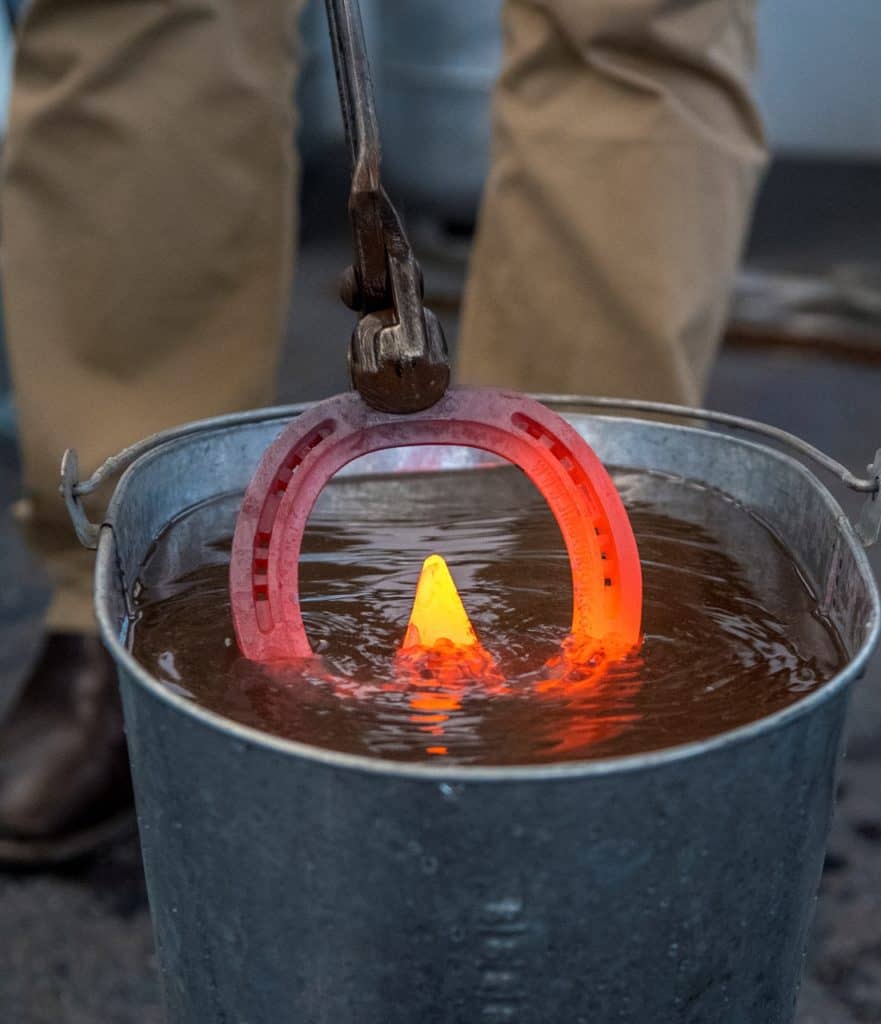
British and Brazilian farriers are working around the clock to keep the equine athletes well-shod in Rio de Janiero.

Also known as “seedy toe,” white line disease is a serious hoof condition that requires vet and farrier intervention.
Paul Goodness, CJF, and his team will provide full-time services at the Marion duPont Scott Equine Medical Center.
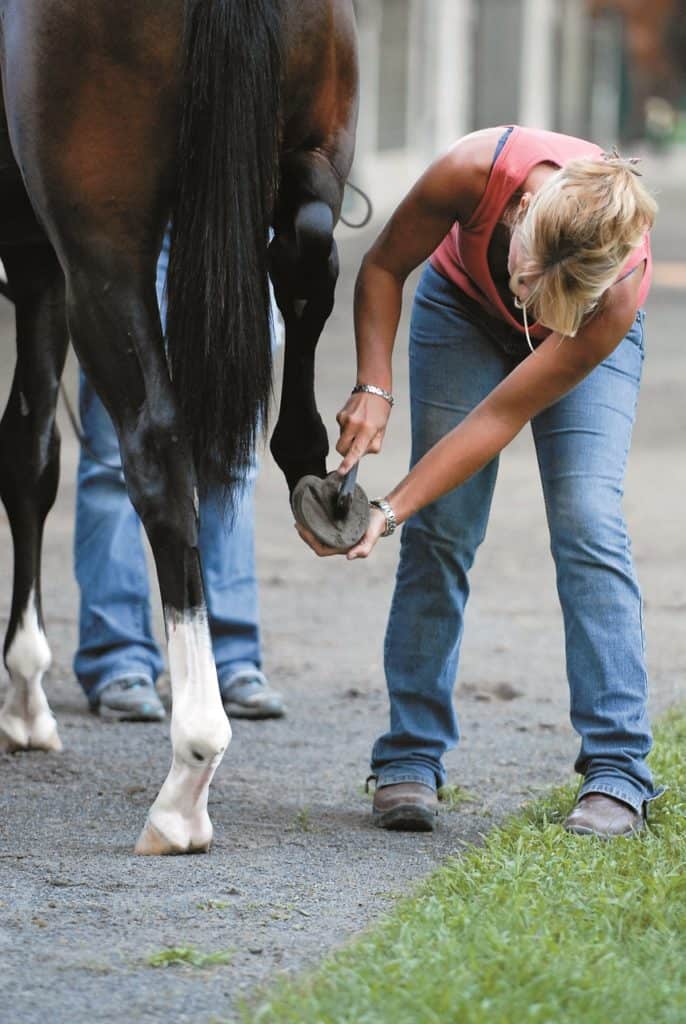
Our behavior expert looks at the reasons punishment often doesn’t work with horses and offers alternative solutions.

Beginning treatment during the acute phase helps give the horse the best chance of recovery. Here’s what to know.
Do you have any suggestions for speeding the time it takes for proximal splints (in the forelimbs) to resolve?
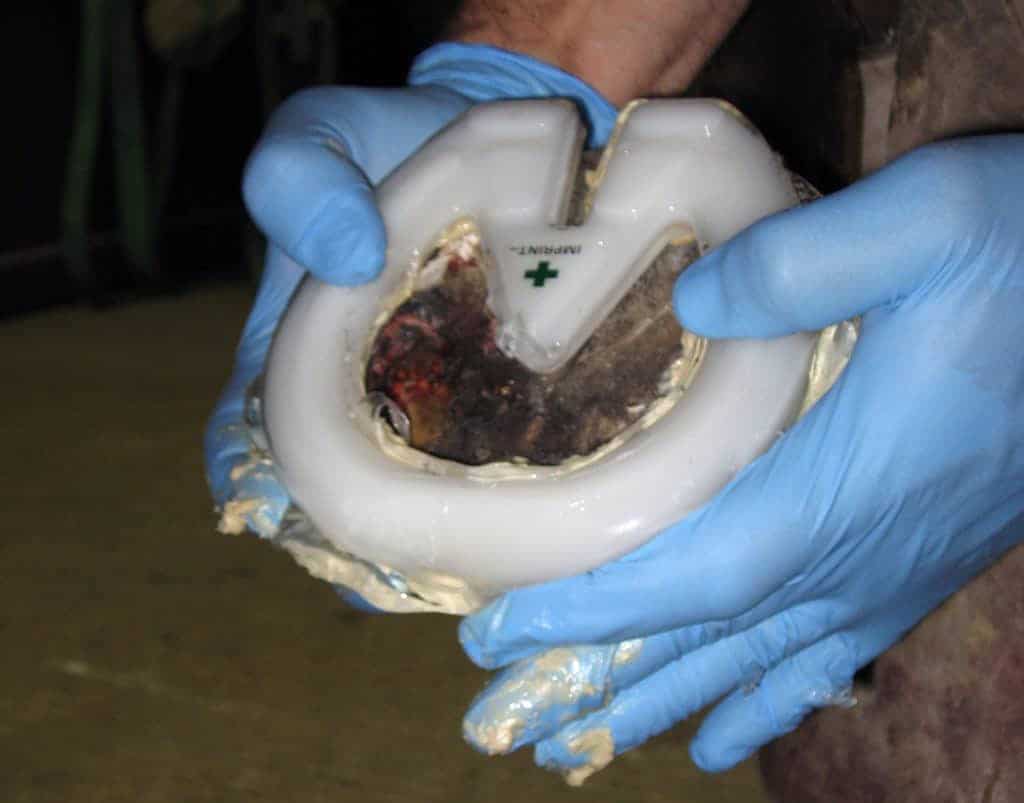
Learn about common foot pathologies and corrective-shoeing options, from bar shoes to wooden clogs.

Addressing the anatomy, conformation, and biomechanical principles of the equine foot.

The complex equine hoof relies on important nutritional building blocks for strength and integrity.

Hoof-related issues are a hot topic in veterinary medicine. Here’s what practitioners discussed at a recent meeting.