Time-Saving Tips: Equine Veterinary and Farrier Visits
Veterinarians and farriers often have busy schedules. Here are some tips to help expedite their visits when they arrive.

Veterinarians and farriers often have busy schedules. Here are some tips to help expedite their visits when they arrive.

The collaborative work of the owner, farrier, and veterinarian can dictate a horse’s soundness and overall health.
The American and International Associations of Professional Farriers created the award in honor of Dr. Frank Gravlee.

Of the 359 respondents, 101 (28%) said their hoof care professionals use radiographs to make trimming/shoeing decisions.

Farriers can learn more about conducting research, increasing the evidence behind farriery, and improving horse welfare.

Research has provided farriers with a better understanding of how weight-bearing and loading affect hoof wall growth.
Of the 1,743 respondents, 841 (48%) said their horses’ hooves are trimmed and/or shod every six to seven weeks.

Underrun heels can contribute to problems such as chronic heel pain, bruising, lameness, reduced performance, and more.

Learn about what’s cutting-edge in the world of equine hoof care from our 2017 International Hoof Care Summit coverage.

A farrier shares ways he addresses issues in the caudal aspect of the horse’s foot.
Researchers looked at how four trimming models impact hoof form and structure.
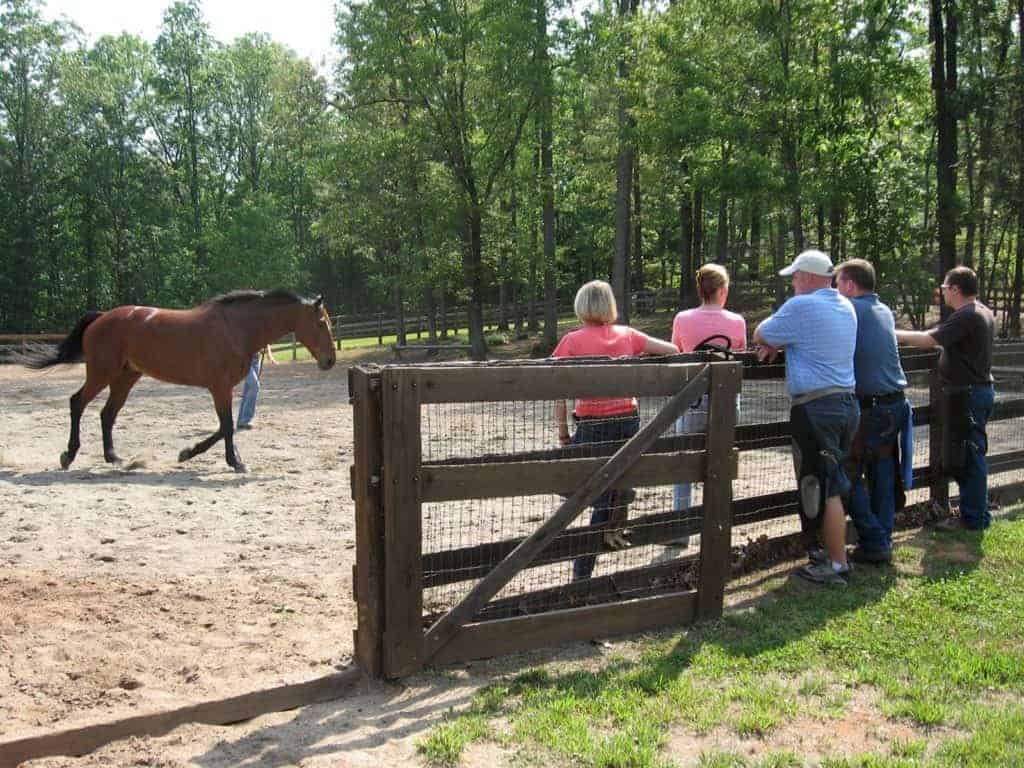
Farriers need to observe a horse thoroughly, head to tail, to determine how to best trim and shoe him.

A roundtable at the International Hoof Care Summit covered shoe wear and what it indicates about the horse.

What do a dish, a crack, a flare, and a sheared heel have in common? All are hoof distortions.

Find out why understanding hoof biomechanics is important when making trimming and shoeing decisions for your horse.
Farriers manage and provide protection for horse hooves. Here’s a look at how they help maintain horses’ health.