Where are we Headed with Wobbler Syndrome?
Despite all that is known, important questions still remain about wobbler syndrome.

Despite all that is known, important questions still remain about wobbler syndrome.

Radiographs (X rays) and low-field MRI appear to be useful tools for diagnosing early-stage arthritis.
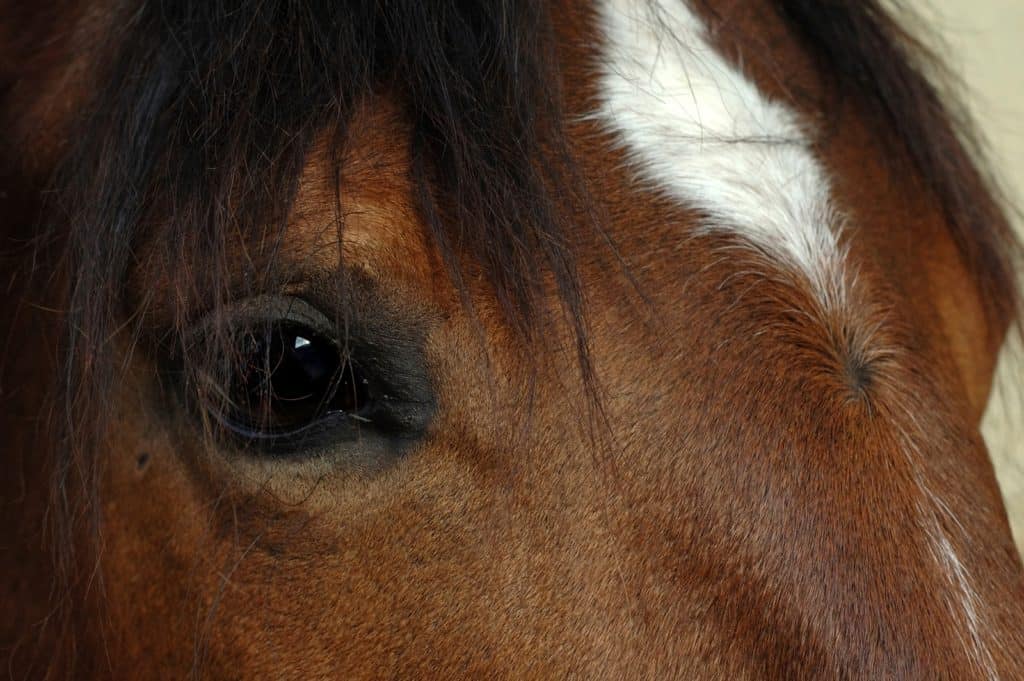
While two-thirds of horses have normal vision in both eyes, others are either near- or farsighted in one or both eyes.

More than 56% of injuries occurred in the right forelimb, the opposite of what’s most commonly seen in Thoroughbreds.
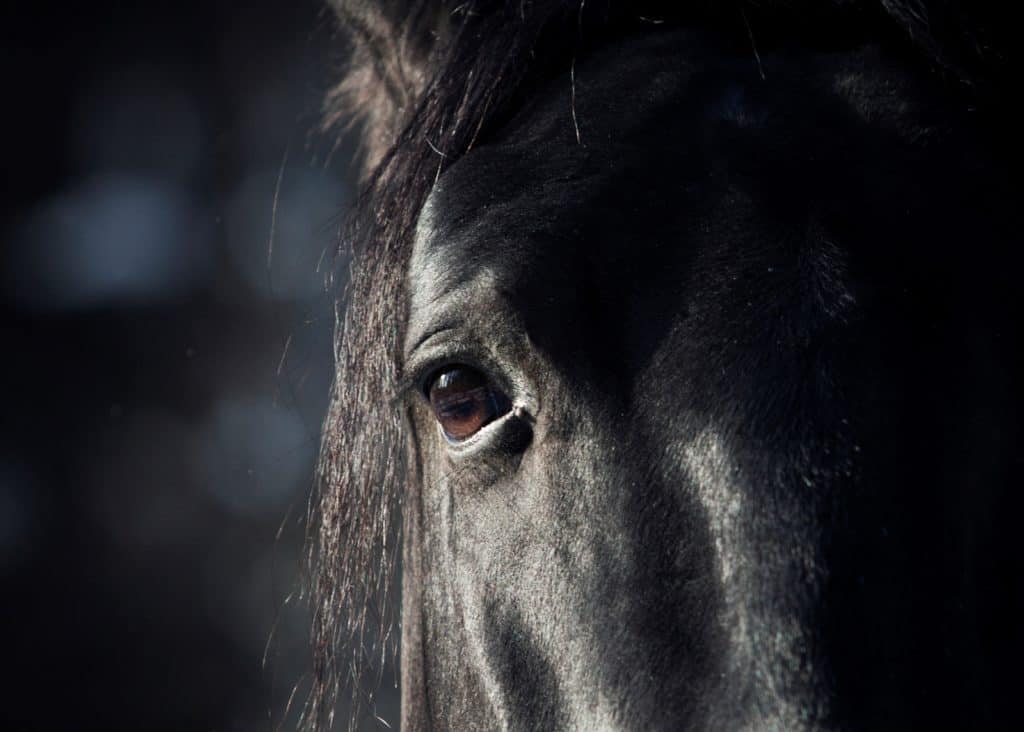
Corneal dystrophy in Friesians could have a genetic basis, but the condition responds well to appropriate treatment.

Scientists behind a new study have identified behavior changes donkeys show when they experience pain relief.
Quick take-homes from sessions on wild horses, barn fires, regenerative medicine, and dentistry.
Tidbits from sessions on the horse’s back, biosecurity, infectious disease, pelvic fractures, and more.

Equine sexually transmitted diseases can affect pregnancy outcomes and breeding stock welfare.

Dr. Udeni Balasuriya of the University of Kentucky’s Gluck Equine Research Center shares information about diagnosing equine herpesvirus-1 and interpreting test results.

Dr. Lauren Trager of Virginia Equine Imaging shares what it’s like to transition from veterinary school to an internship.

Dr. Abigail Velting of Virginia Equine Imaging in The Plains describes what internship means for equine veterinarians.

Blood testing can provide important information, but it almost always needs to be interpreted relative to the clinical examination findings, history, and additional testing in order to arrive at an accurate diagnosis of the problem.

There are no easy answers when it comes to colic surgery, just as there are no easy decisions.
A Feb. 9 barn fire at Equine Integrated Medicine veterinary clinic near Georgetown, Ky., killed eight horses.
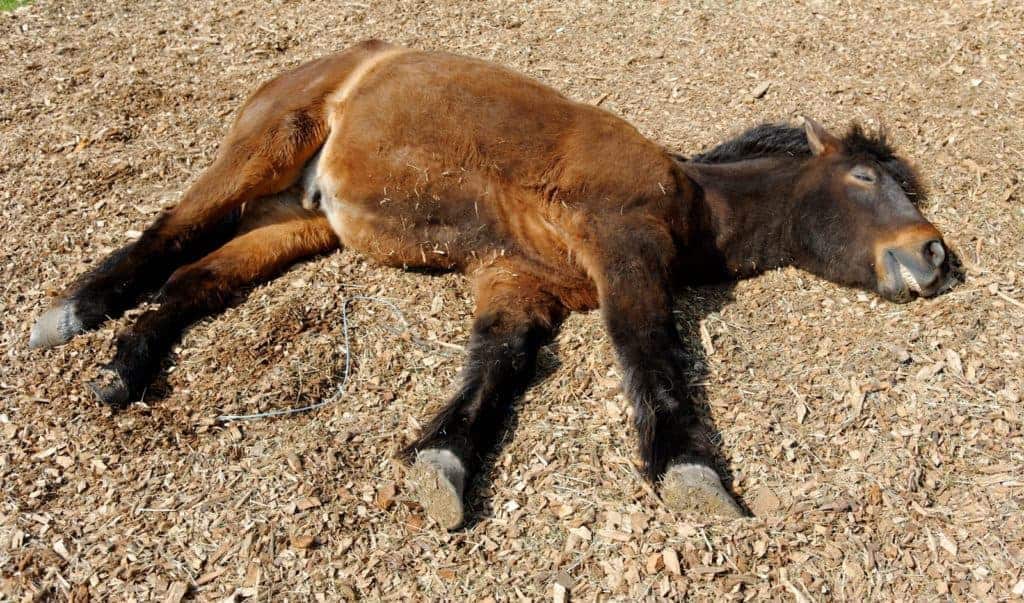
Short-term anesthesia for procedures lasting fewer than 20 minutes is common field work in equine medicine.