Biosecurity for Equine Hospitals and Indoor Equine Facilities
Airborne pathogens can contribute to disease spread in equine hospitals. Learn how Synexis DHP® technology supports indoor biosecurity.

Airborne pathogens can contribute to disease spread in equine hospitals. Learn how Synexis DHP® technology supports indoor biosecurity.
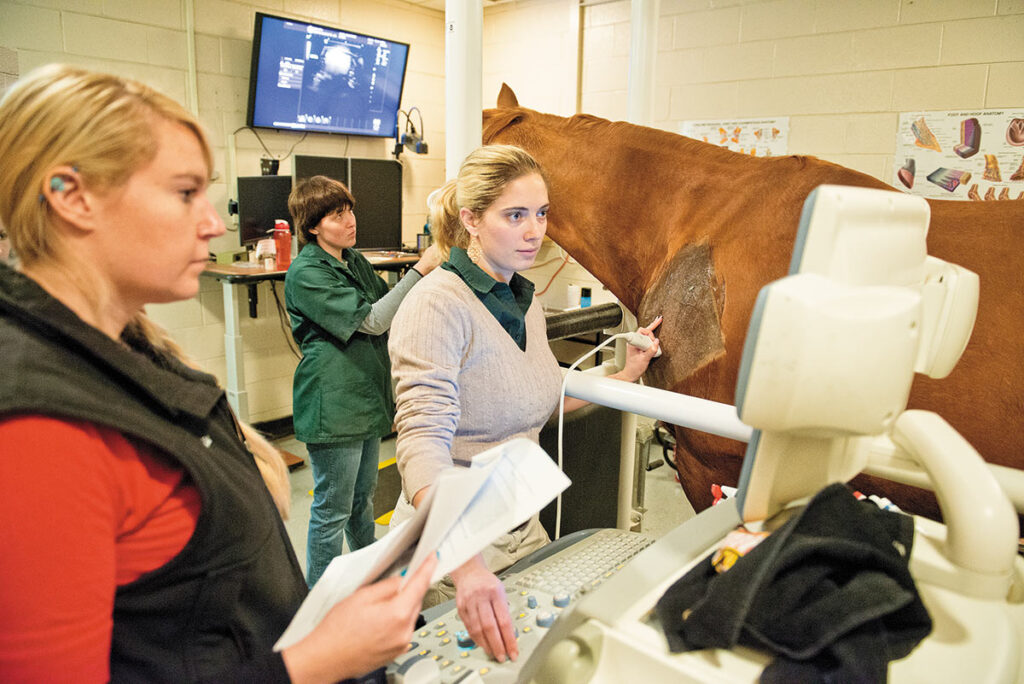
Here’s an honest look at the state of equine veterinary practice in 2025. Learn more in The Horse‘s Winter 2025 issue.
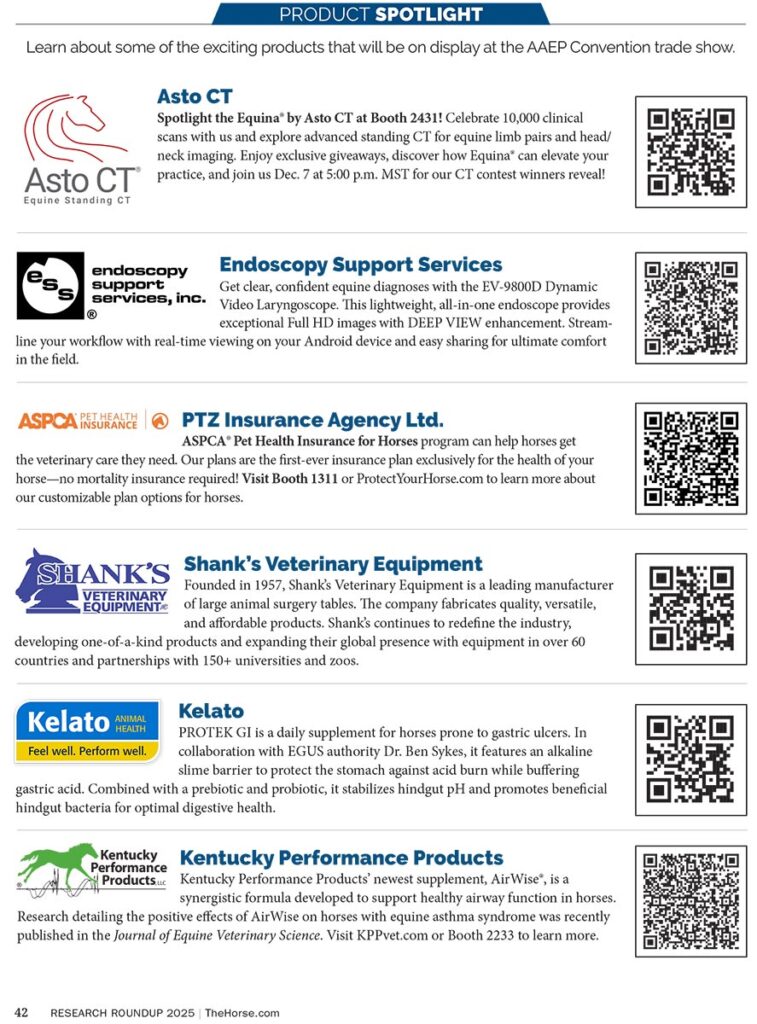
Download this free guide for information on the latest veterinary products and services on display at the AAEP Convention trade show.
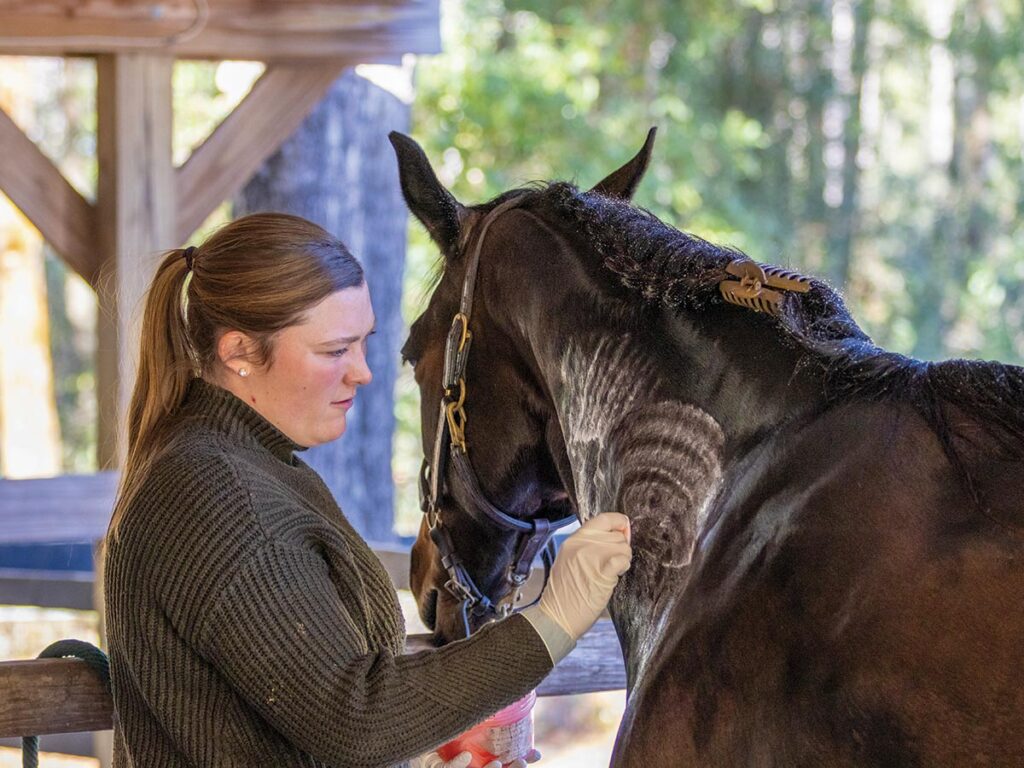
Veterinary technicians help veterinarians provide top-level care to their clients and patients. Learn more about their roles in the Fall 2025 issue of The Horse.

New AAEP field guidelines give veterinarians a diagnostic flowchart for equine respiratory disease to guide sampling and test selection.

Learn what a veterinary specialist does and when you might need to contact one.
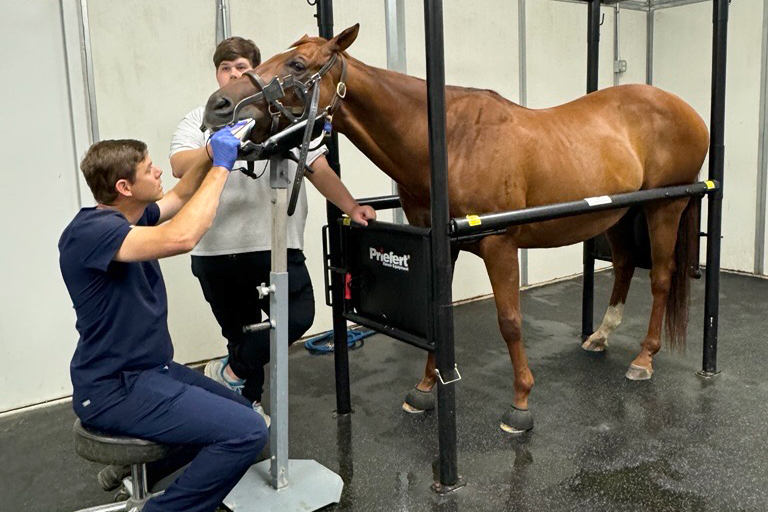
Dr. Lori Bidwell shares how horse sedation, including Dormosedan Gel, supports safe handling, standing procedures, and stress-free care for horses.

Here’s how equine veterinary clinics institute strict biosecurity measures to contain, prevent, and control disease outbreaks.

Here’s what scientists know about avian influenza and how it might affect horses.

Veterinarians can guide horse owners in choosing supplements by assessing diet first, identifying the horse’s needs, and then recommending evidence-based ingredients.

During the 2024 AAEP Kester News Hour experts shared new research on equine genetics, atrial fibrillation detection, neck pain, and updated EHV guidelines.

Researchers are exploring CBD’s potential to reduce joint pain in horses through a multiphase study on its efficacy.

Changing antibiotic prescribing habits can be challenging for practitioners, but small steps, peer support, and stewardship guidelines can improve antimicrobial use.

Learn why experts are questioning routine antibiotic use in equine orthopedic surgery and how alternative strategies can help reduce infection risk.

Reserve antibiotics in equine reproduction for proven infections, not routine use. Vets should utilize alternative treatments to reduce AMR risk when possible.

To reduce antibiotic use in equine practice, vets should limit prophylactic treatment and prescribe only for confirmed infections.