Keys to Managing Colic Medically
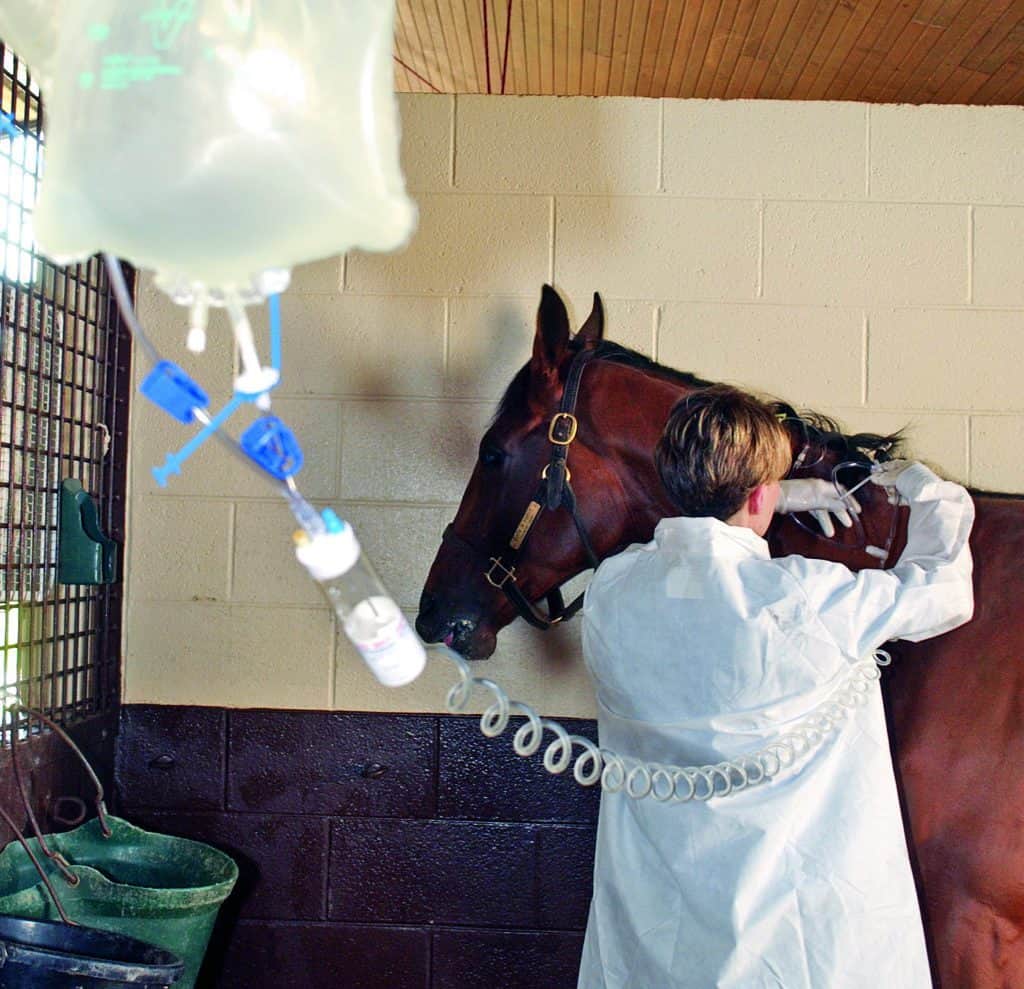
The three main types of medical treatment for colic include fluid therapy, laxative administration, and pain management.

The three main types of medical treatment for colic include fluid therapy, laxative administration, and pain management.

Complications include chronic endometritis, pyometra, and the marble or shreds of glass adhering to the endometrium.
One vet says early treatment and rehabilitation techniques are key to successful platelet-rich plasma (PRP) therapy.
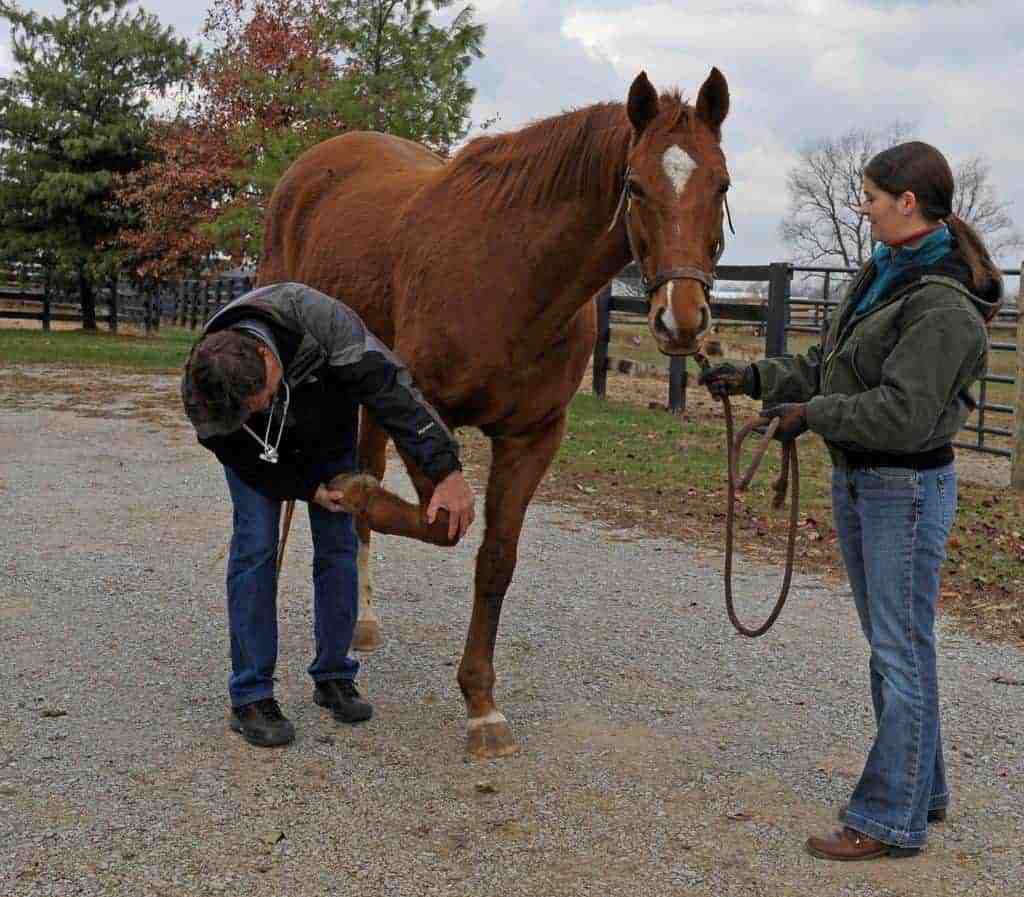
A wellness plan is a proactive approach in caring for your horse.

Practitioners should choose cases and prepare cells carefully for the best chance of treatment success, one vet says.

Dr. Marvin Beeman offers wisdom gathered from 60 years of practice, which took him from farm calls to the Olympics.

Learn about the New Bolton Center’s recovery pool and how it helps horses following surgery.

Oral endoscopy provides vets with a detailed, magnified view of dental and soft tissue structures in the horse’s mouth.

Learn about the history of feral horses and burros in the United States and the BLM’s management goals and strategies.

Dr. John Madigan presented the AAEP’s 2014 Milne lecture on discoveries that changed equine and human health.

Researchers determined that excessive uterine edema near the time of ovulation did not adversely affect pregnancy rates.

Take time to recognize the significant contributions farriers make to the equine community.

A veterinarian weighs in on radiographs, nuclear scintigraphy, and standing MRI for diagnosing subtle lamenesses.

Veterinarians, avoid these common mistakes to make the most out of your nerve blocks during lameness exams.
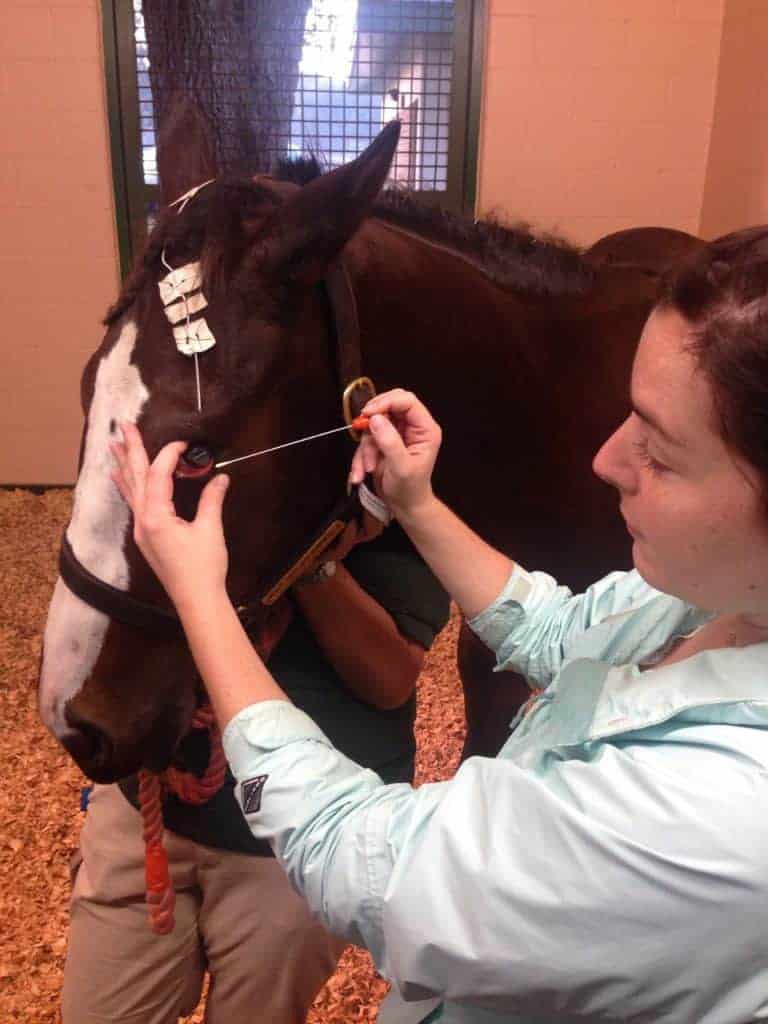
Because ocular problems are prevalent in foals, a veterinarian should examine a neonate’s eyes within 36 hours of birth.
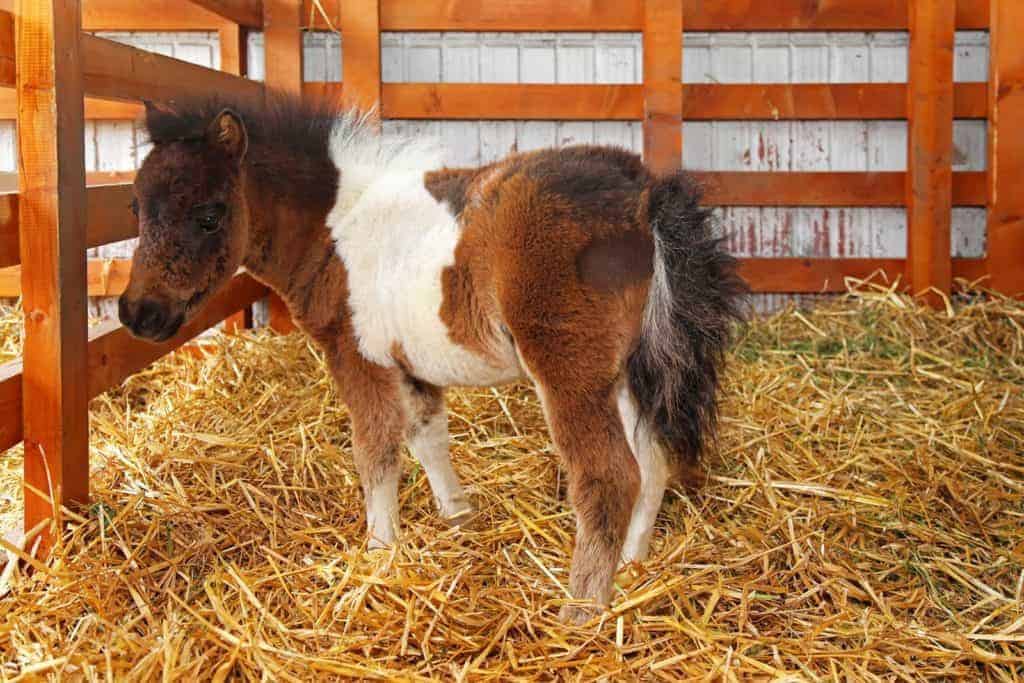
Here’s how to construct an automatic milking device with four parts, some tools, and less than $400.