Top Equine Reproduction Studies of 2014
Studies covered biofilms, chilled and frozen semen, endometritis, placentitis, oxidative stress and fertility, and more.

Studies covered biofilms, chilled and frozen semen, endometritis, placentitis, oxidative stress and fertility, and more.
The additional protocols come in the wake of a recent rash of catastrophic breakdowns at Aqueduct Racetrack.

Methods that immerse the hoof and limb in ice and water to at least fetlock level are most effective.
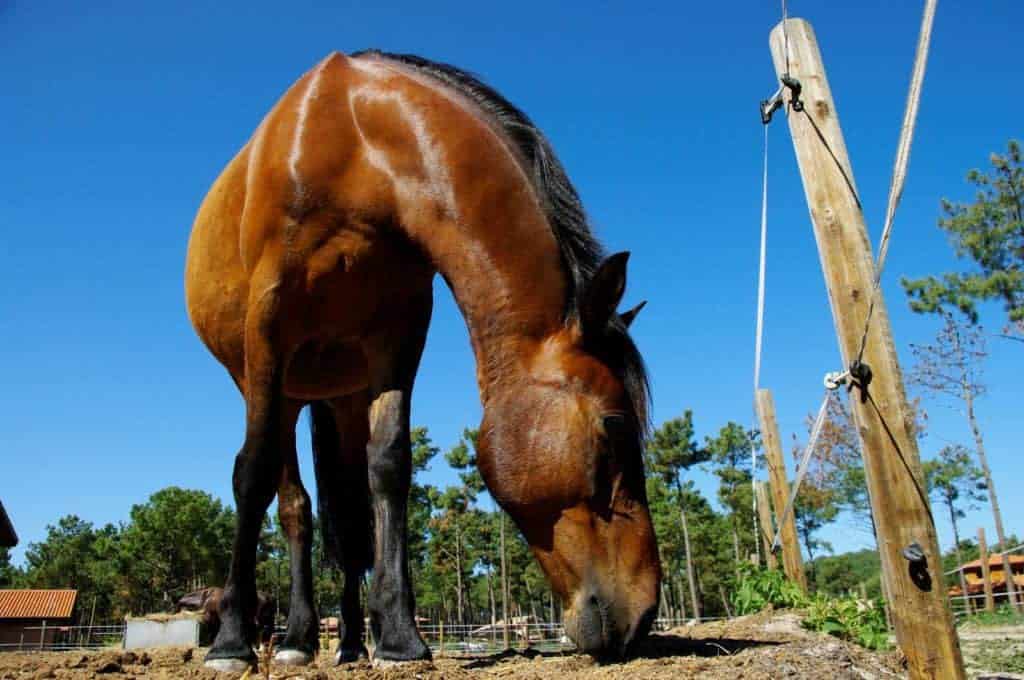
A psyllium/magnesium sulfate combination appears safe and effective for helping horses evacuate sand from their colons.

Dr. Rachel Buchholz explains the steps involved in having a standing MRI done on a horse.

The standing MRI is the first installed at a Thoroughbred racetrack or training center in North America, officials say.

Researchers are looking for ways to help aging equine athletes through so-called “satellite cells.”

This new technique could allow veterinarians to better evaluate equine joint cartilage.

Pretreating an area with microneedles resulted in a 170% increase in the amount of lidocaine that permeated the skin.
Lecture topics will include hoof care, nutrition, emergency care, dentistry, eye diseases, behavior, and more.

Researchers have identified some important differences between the eyes of horses with and without HERDA.

John and Leslie Malone committed $42.5 million to develop regenerative medical therapies for animals and people.

Despite all that is known, important questions still remain about wobbler syndrome.

Over the years there’s been a trend toward declining average starts for racehorses. Dr. Horohov presents possible reasons why.

Radiographs (X rays) and low-field MRI appear to be useful tools for diagnosing early-stage arthritis.
The convention featured 175 presentations across four days covering topics ranging from colic to regenerative therapies.