How to Care for Aging Equids’ Teeth
Learn what dental problems veterinarians manage in senior horses and how owners can help monitor them.

Learn what dental problems veterinarians manage in senior horses and how owners can help monitor them.

Equine complementary therapies, such as chiropractic and acupuncture, are more popular than ever. Learn how they might help your horse’s health and performance.
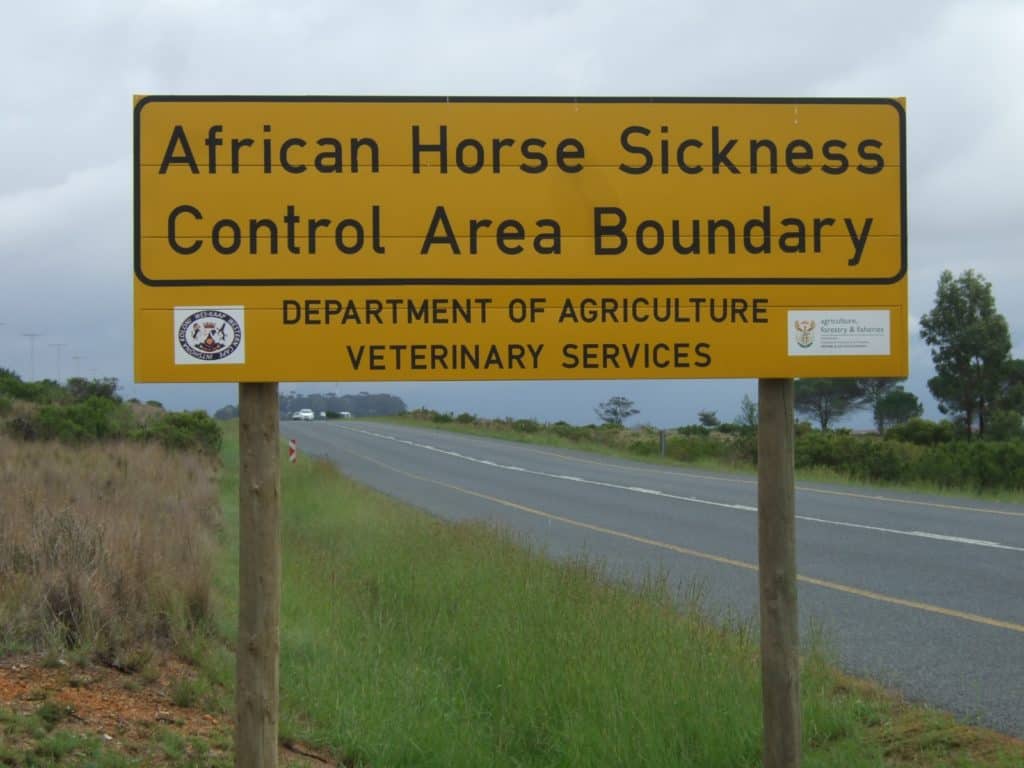
One vet recommends taking these preparation steps to help reduce the impact of an outbreak.
Veterinarians use equine rehabilitation to restore the normal function following injury while reducing clinical signs and restoring range of motion.

As prevalent as EIPH is, we still don’t fully understand this potentially performance-limiting condition; here’s what scientists are trying to find out.

From feeding and training to shoeing and warm-up protocols, learn how to keep your dressage horse fit to perform.

Shock wave is a noninvasive, nonsurgical therapy for orthopedic conditions. Learn how it can help your horse.

Dr. Lauren Trager of Virginia Equine Imaging shares what it’s like to transition from veterinary school to an internship.
Dr. Abigail Velting of Virginia Equine Imaging in The Plains describes what internship means for equine veterinarians.

One listener asks how frequently an adult horse should have its teeth checked by a veterinarian. This podcast is from the Equine Life Stages: Adult Horses Q&A audio event.

There are some horse health conditions that remain difficult to treat. And diagnose. And study. One of those conditions is equine Lyme neuroborreliosis. Here’s what you need to know about this potentially deadly condition.

Recently, a biomarker called SAA has become a buzzword, garnering attention from the equine veterinary community for its ability to indicate inflammation. So just what is SAA and why are so many veterinarians and researchers starting to analyze it?

The navicular is a tiny bone that can cause big problems in horses. It and its associated structures are responsible for up to one-third of all front-limb lamenesses.
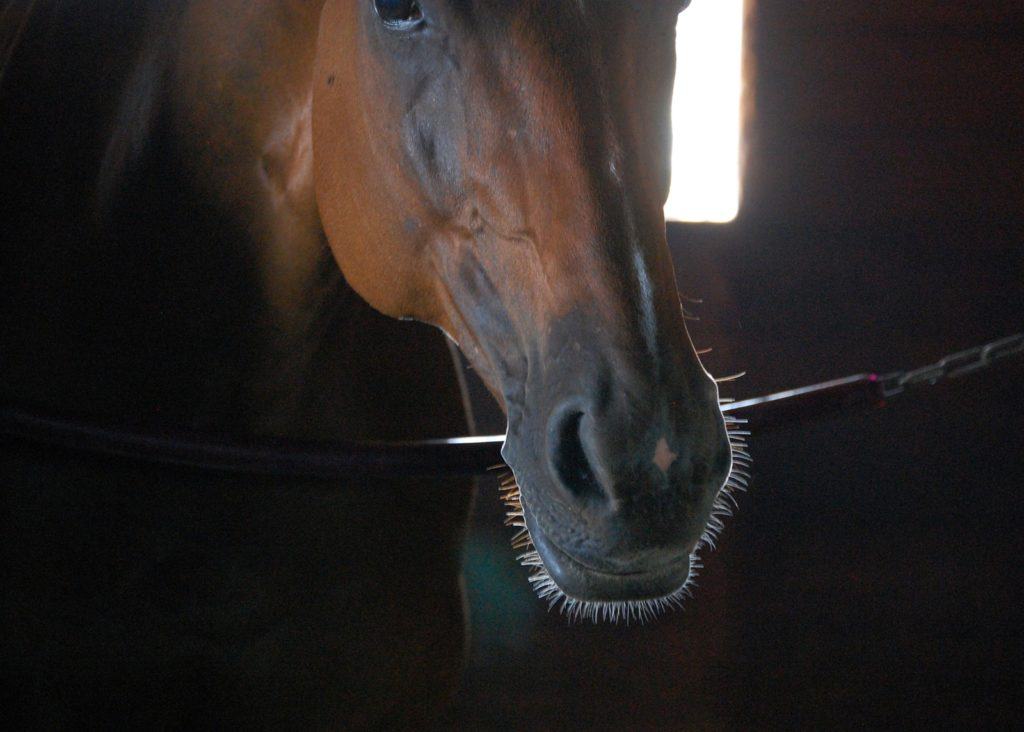
Airway remodeling occurs in horses with long-term, unresolved inflammation caused by recurrent airway obstruction (RAO), the disease commonly known as heaves. Is it possible to reverse this negative effect in horses?
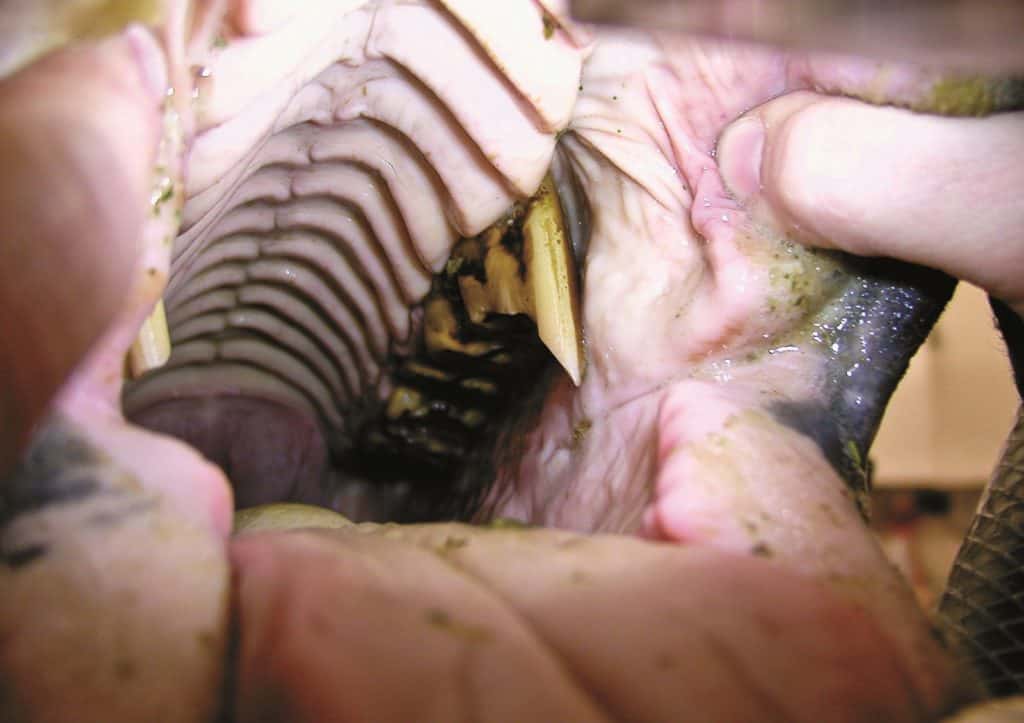
Find out why you should make regular dental checkups part of your horse’s scheduled maintenance.
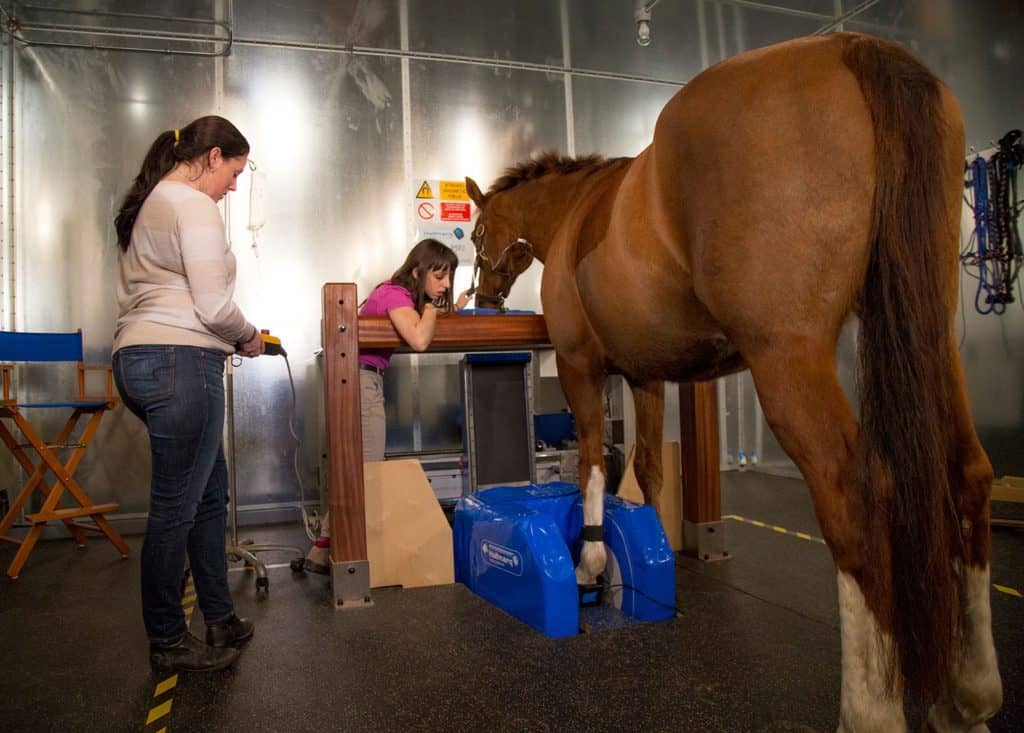
Learn about the standing MRI process step-by-step and take a look inside the equine foot.