Researchers Study Near-, Farsightedness in Horses
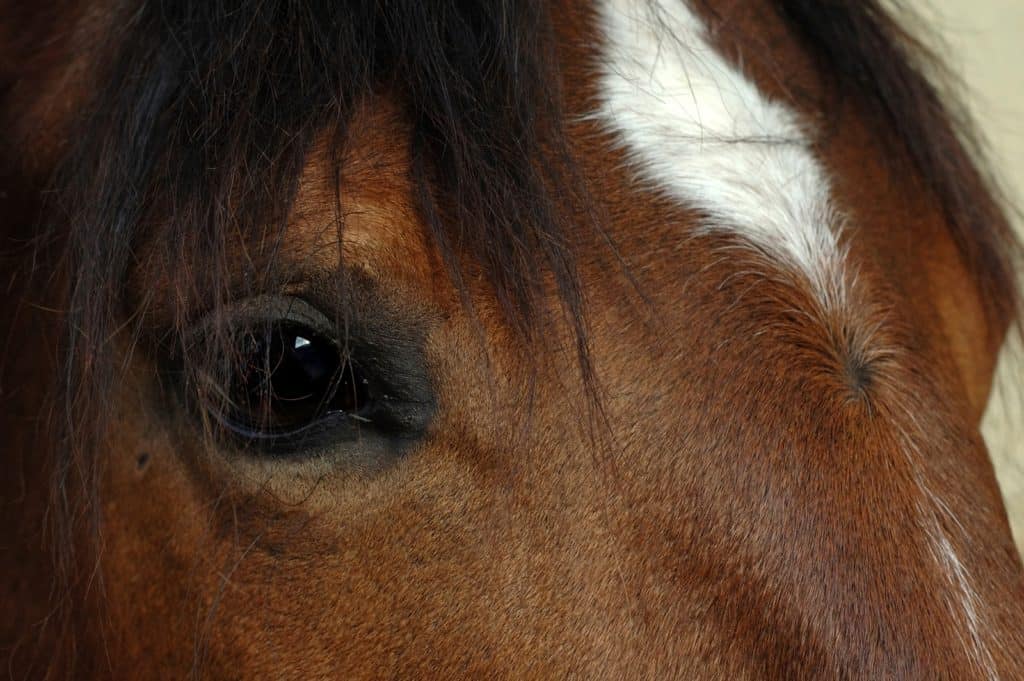
While two-thirds of horses have normal vision in both eyes, others are either near- or farsighted in one or both eyes.

While two-thirds of horses have normal vision in both eyes, others are either near- or farsighted in one or both eyes.

More than 56% of injuries occurred in the right forelimb, the opposite of what’s most commonly seen in Thoroughbreds.

High-tech equipment and techniques are helping veterinarians provide better equine dental care.
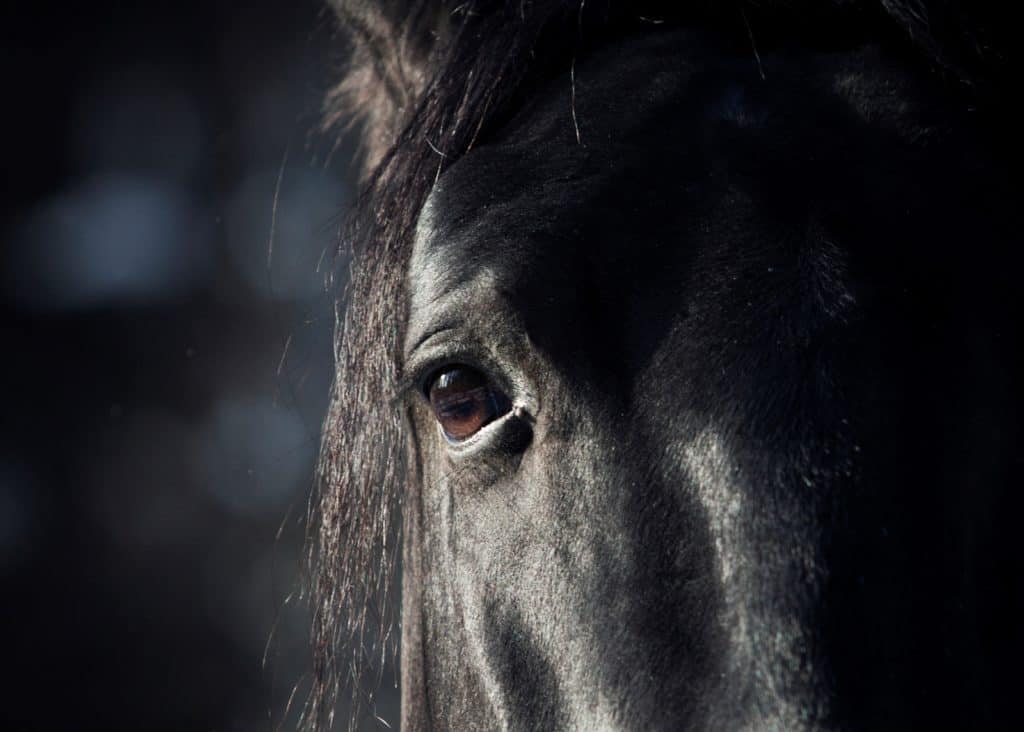
Corneal dystrophy in Friesians could have a genetic basis, but the condition responds well to appropriate treatment.

Scientists behind a new study have identified behavior changes donkeys show when they experience pain relief.
Five researchers will each receive a grant of $15,000 to study equine infectious diseases during 2015.
Quick take-homes from sessions on wild horses, barn fires, regenerative medicine, and dentistry.
Tidbits from sessions on the horse’s back, biosecurity, infectious disease, pelvic fractures, and more.

Equine sexually transmitted diseases can affect pregnancy outcomes and breeding stock welfare.

Dr. Udeni Balasuriya of the University of Kentucky’s Gluck Equine Research Center shares information about diagnosing equine herpesvirus-1 and interpreting test results.

Discover what flexing a joint can tell a veterinarian about a horse’s soundness.
A necropsy is not something most horse owners contemplate until faced with the death of a horse.

An established human therapy helps horses as well. Learn about FES and its possible equine applications.
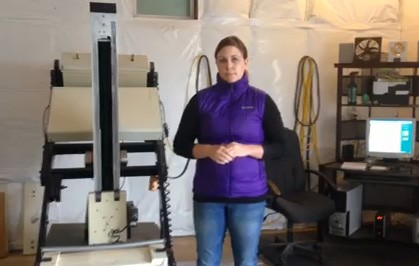
Dr. Rachel Buchholz explains how bone scans work and how veterinarians use them to diagnose unsoundness in horses.

Consider these nine qualities when choosing an equine veterinarian.
This year marked the 30th anniversary of the conference and the 100th anniversary of Cornell’s farrier school.