Equine MRI
Learn why magnetic resonance imaging (MRI) considered the “gold standard” for diagnosing equine lamenesses and get your questions answered about how MRI can help your horses during this live event.

Learn why magnetic resonance imaging (MRI) considered the “gold standard” for diagnosing equine lamenesses and get your questions answered about how MRI can help your horses during this live event.

Find out why standing MRI is useful for identifying complex issues in horse hooves and limbs.

Although laparoscopic castration reduces the risk of problems (such as edema and infection) after surgery and allows for a shorter recovery time, testosterone production and stallionlike behavior persist in some horses following the procedure.

Find out what wolf teeth are and why you need to be on the lookout for them in young horses. This podcast is from the Equine Life Stages: Young Horses Q&A audio event.
Dr. Earl Gaughan explains the attention a young horse’s teeth need and why dental care is important. This podcast is from the Equine Life Stages: Young Horses Q&A audio event.

Veterinarians should consider several important issues when using or prescribing compounded products.

Blood testing can provide important information, but it almost always needs to be interpreted relative to the clinical examination findings, history, and additional testing in order to arrive at an accurate diagnosis of the problem.

At the Rolex Ride The Course event international four-star eventer Lynn Symansky describes the complementary therapies her horses’ health care team uses in the time leading up to three-day events, from acupuncture to magnetic blankets.

FEI veterinarian Dr. Kent Allen of Virginia Equine Imaging shares interesting equine lameness cases from his practice. Sometimes it takes some detective work to find true cause of lameness. Part 3 of 3.

Dr. Erin Denney-Jones explains what acupuncture involves and how it is used to help horses.

There are no easy answers when it comes to colic surgery, just as there are no easy decisions.

U.S. Eventing team veterinarian Dr. Mark Revenaugh of Northwest Equine Performance shares challenging lameness cases from his practice. With lameness, things are not always as they first appear! Part 1 of 3.
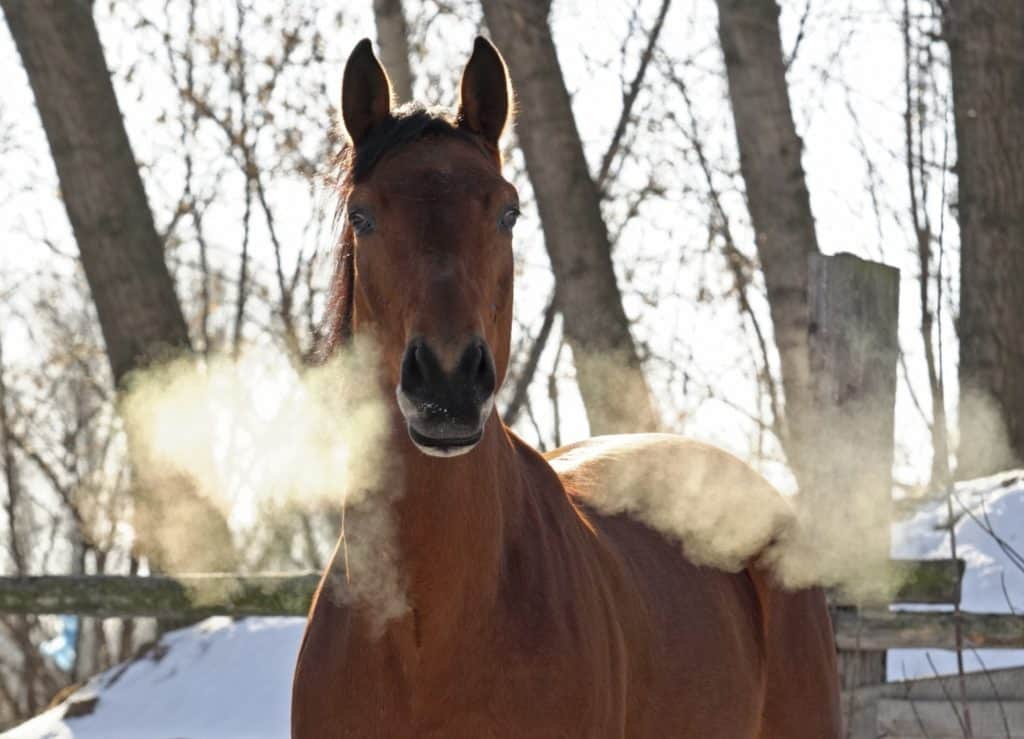
Dr. Laurent Couetil talks about the environmental factors that impact horses with heaves and ways to treat the disease.

Respiratory-related health conditions are the second leading cause of poor performance in athletic horses. Learn more about equine respiratory health with this easy-to-follow visual guide.
The Research Report 2013 focuses on the UK Maxwell H. Gluck Equine Research Center faculty’s research accomplishments and scientific publications during the 2013 calendar year.
Drug compounding seems to hit the news every few years. What’s the big deal?