Dealing with Navicular Disease
Navicular disease, or caudal heel pain, can seem devastating when diagnosed, but treatment options exist and many horses can return to athletic work.

Navicular disease, or caudal heel pain, can seem devastating when diagnosed, but treatment options exist and many horses can return to athletic work.

Researchers believe that estrogens could prove to be a useful early indicator of placentitis in the future.
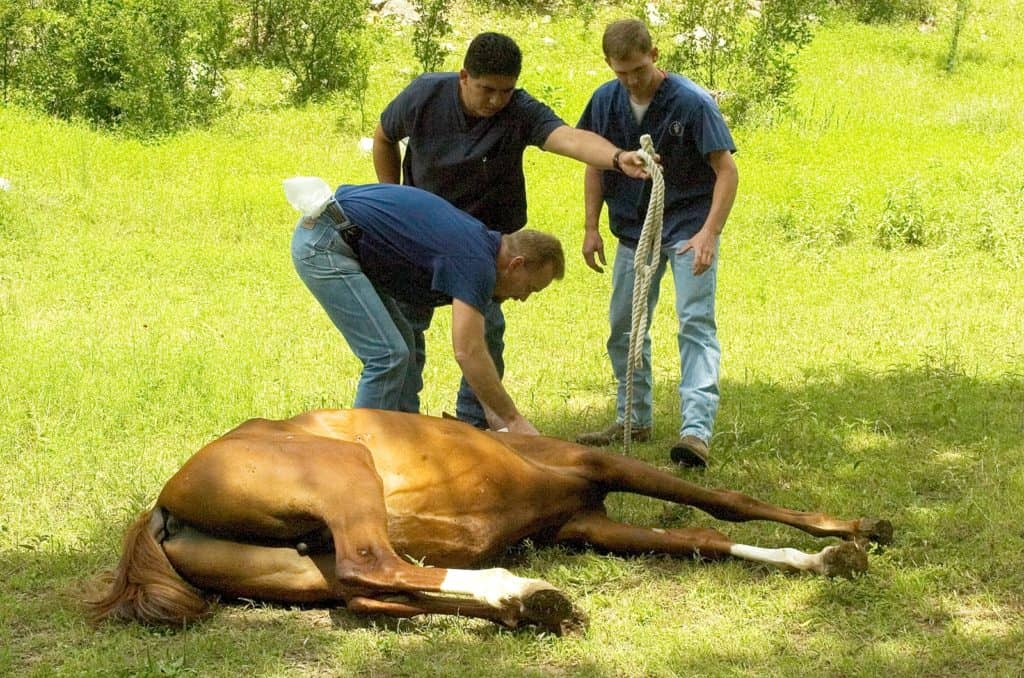
The longer a horse is under anesthesia, the greater the risk. Learn how veterinarians safely anesthetize horses in the field for 60 minutes or longer.
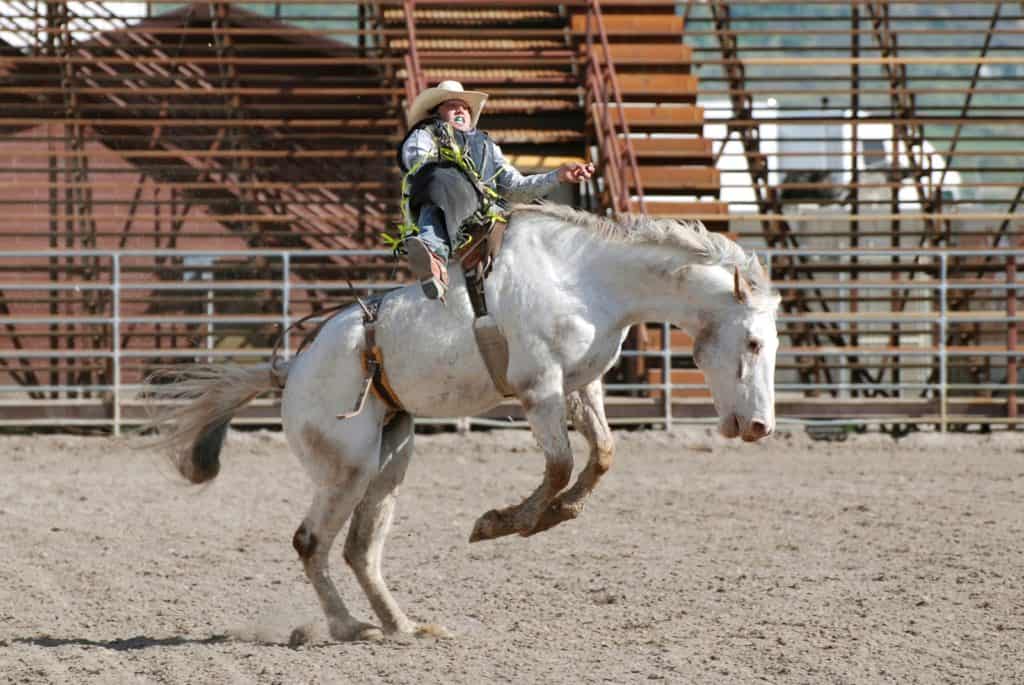
Treating “untouchable” horses, such as some rodeo stock, is a rare but real challenge for veterinarians. Doing so requires experience, modified drug dosages, and creative restraint techniques to keep humans and horses safe during handling.
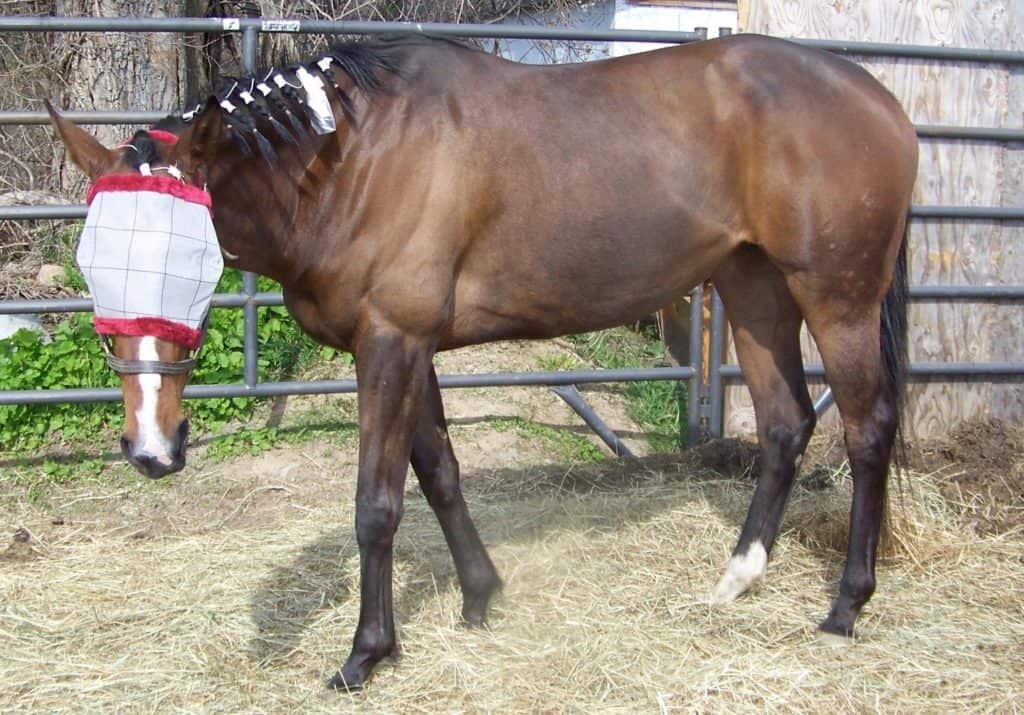
Anyone who’s ever managed an equine eye issue knows how challenging it can be to administer treatment. Fortunately, there’s an easier way: the subpalpebral lavage system.

Researchers made recommendations for an alternative navicular bursa injection approach.
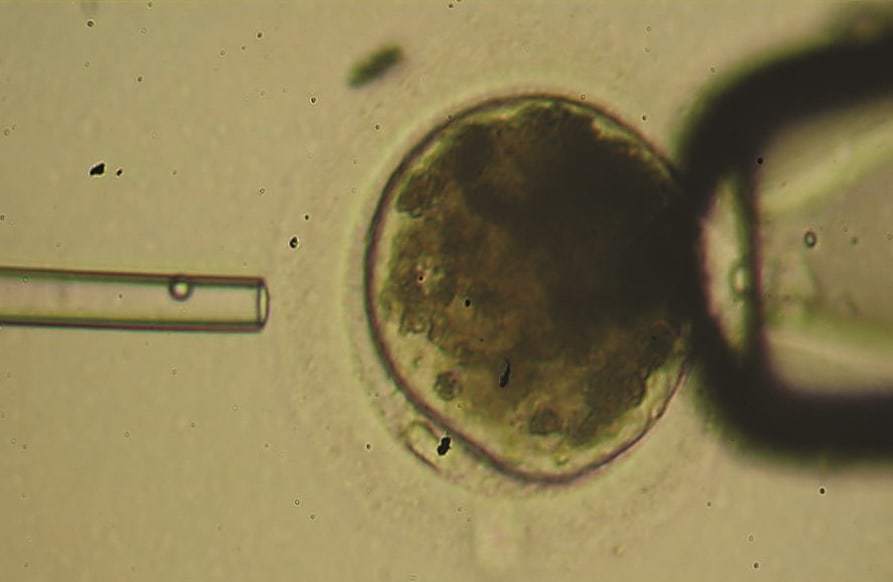
Researchers evaluated the effect of shipping mares’ oocytes (egg cells) on eventual fertilization rate.

Midge Leitch, VMD, Dipl ACVS, has died after a long battle with cancer. She was 67 years old.

Medication regulations for racehorses are changing. Here’s what you need to know.

Because each hock lameness case is unique, it isn’t always easy to pinpoint the cause of the unsoundness.

One practitioner shares a new technique that be more effective in pinpointing the cause of equine foot pain.

Injuries to the top of the rear cannon bone are some of the most difficult to diagnose.

Veterinarians and horse owners should remain vigilant for these two relatively new horse health challenges.

Dr. Carissa Wickens offers information about the International Society for Equitation Science (ISES) and current research studying horse behavior and how horses learn.
Meperidine might provide a suitable alternative to NSAIDs for treating equine foot pain in some cases.

Veterinarians have the option of removing an equine eye without the risks associated with general anesthesia.