CE Credit Offered for Equine Digital Best Practices Webinar
One hour of credit is available for veterinarians, vet techs, and administrators attending the webinar.

One hour of credit is available for veterinarians, vet techs, and administrators attending the webinar.

Vets can image the cecal mesentery to garner information that could lead to a lymphadenopathy diagnosis.
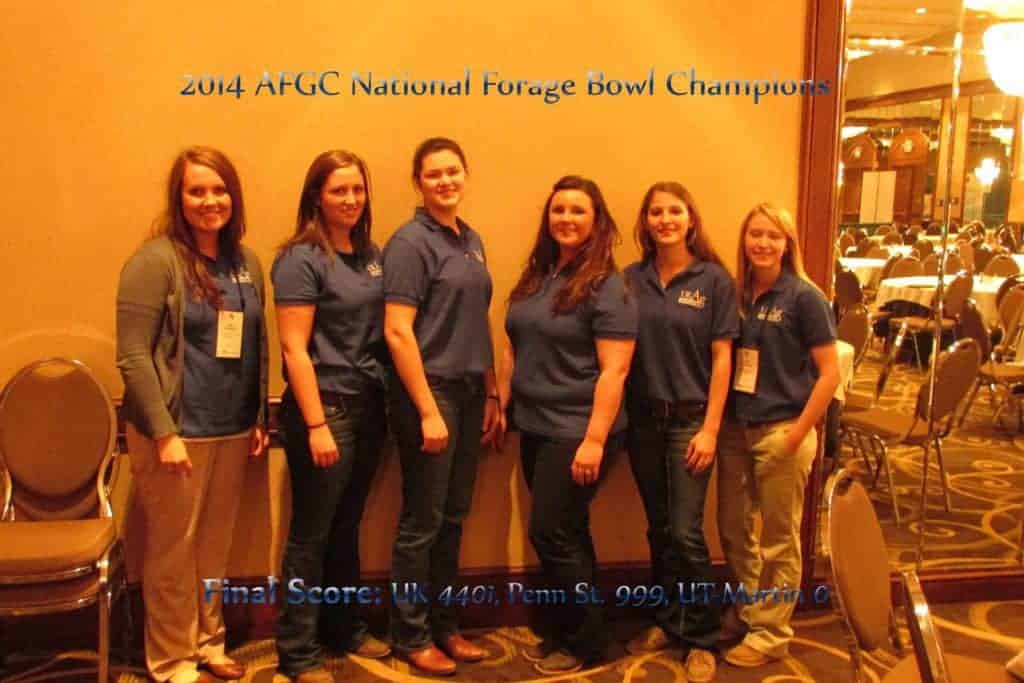
The UK Forage Bowl team took the top spot at the National Forage Bowl.
On Jan. 30, two speakers will discuss inflammatory airway disease.

Researchers found that a surgical procedure intended to control cribbing is very effective.

Should routine blood tests be used to assess a horse’s health as part of a prepurchase exam?
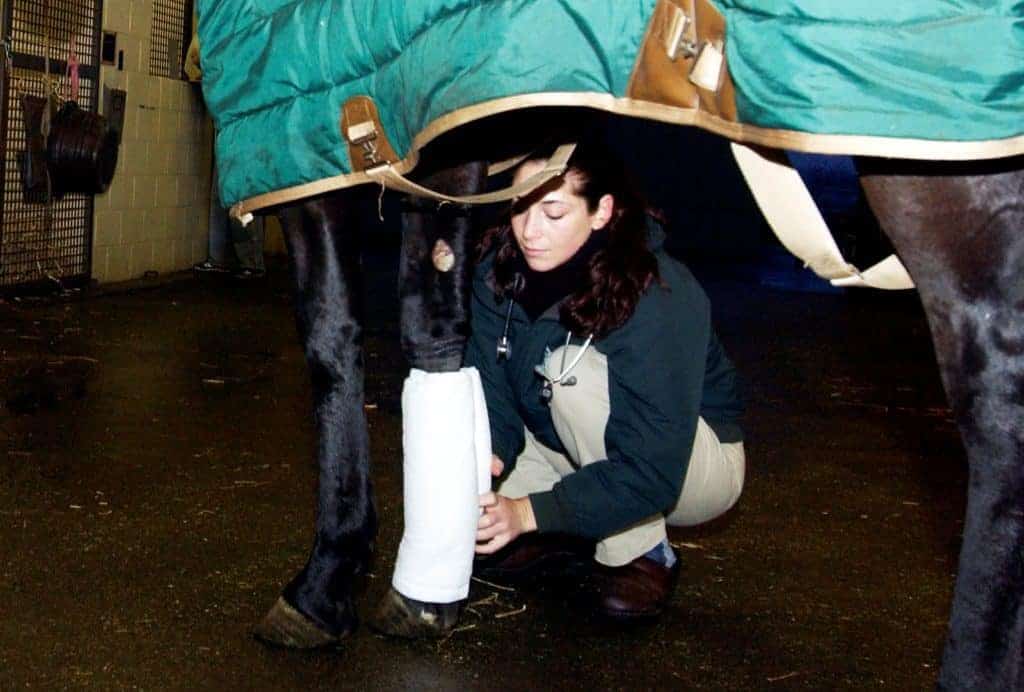
Wounds treated with the SPF dressing had significantly decreased wound areas and granulation tissue scores.

EOTRH is a painful, recently identified condition that primarily affects horses’ incisors and canine teeth.

Attendees discussed fungal keratitis, ocular medications, and equine recurrent uveitis.
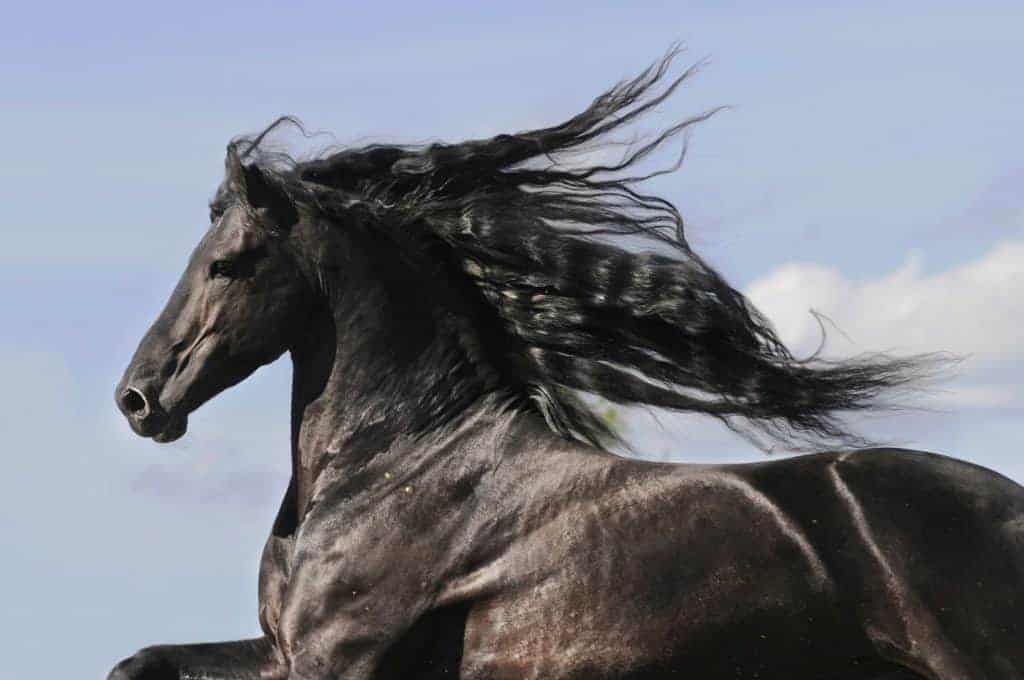
Vets caring for Friesians should interpret a few tests differently than they would in the average horse.
William True Baker, DVM, Dipl. ACVS, joined the practice as a surgeon at the Davidson Surgery Center.

Scott Palmer, VMD, Dipl. AVBP, will oversee the health and safety of horses at all New York state racetracks.
Confirmed diseases included CEM, strangles, influenza, EHV, ehrlichiosis, rotavirus, salmonellosis, and more.
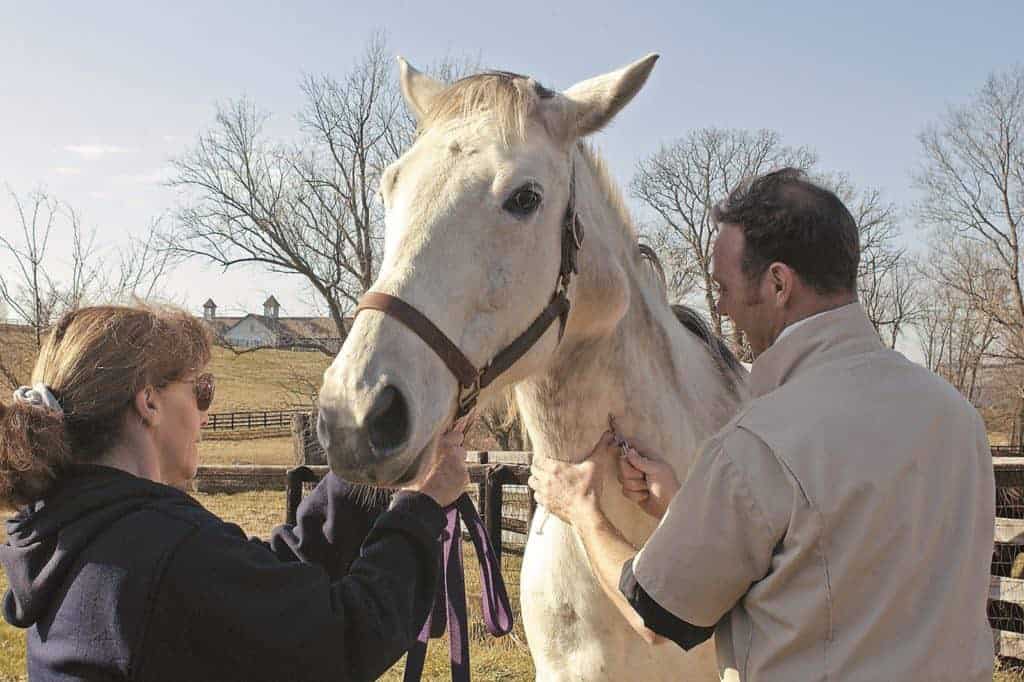
When in their early stages, melanomas are small and can seem insignificant, but many are extremely invasive.
NCSU will host seminars for horse owners, veterinary professionals, and students on Feb. 8-9.

Dr. Sarah Reuss of the University of Florida talks about American College of Veterinary Internal Medicine (ACVIM) and what it’s like to be an equine internal medicine specialist.