Researchers Study Coronavirus Outbreaks in Adult Horses
While coronavirus is commonly found in foals, it’s been implicated in several outbreaks among adult horses.

While coronavirus is commonly found in foals, it’s been implicated in several outbreaks among adult horses.

Veterinarians have tools to help them make educated judgments about lamenesses, their causes, and prognoses.

Diagnostic testing is rarely a one-size-fits-all proposition. Here’s what you need to know.
A Feb. 9 barn fire at Equine Integrated Medicine veterinary clinic near Georgetown, Ky., killed eight horses.

Eosinophilic keratoconjunctivitis generally has severe clinical signs and requires prolonged treatment.

A low-volume injection produces less upward diffusion than a high-volume injection, researchers concluded.

A combination of mesenchymal stem cells and gene therapy reduced osteoarthritis progression in one model.
Leroy Coggins, DVM, PhD, who in 1970 developed the now ubiquitous Coggins test, has died at the age of 81.
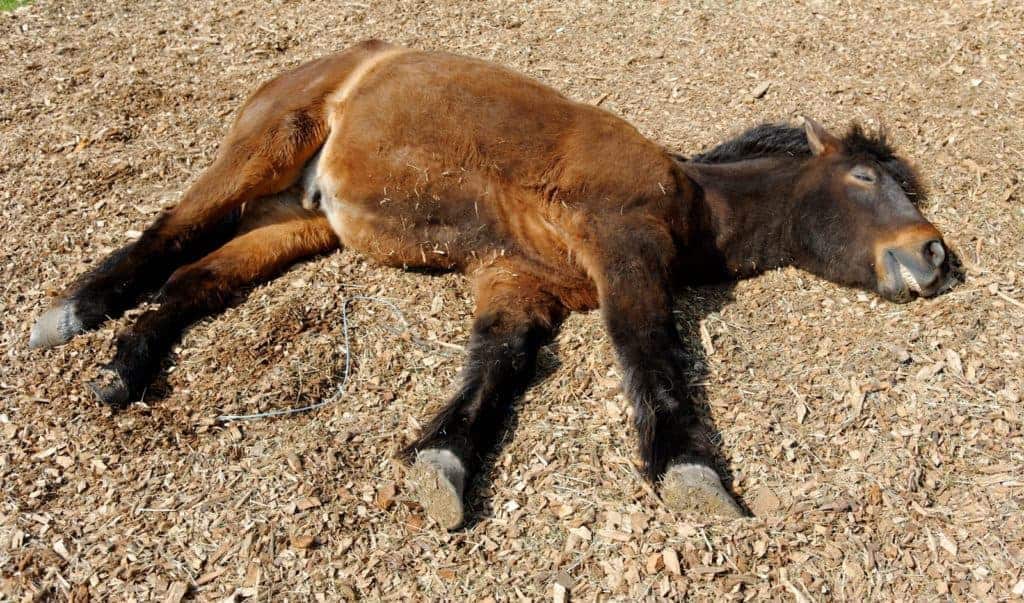
Short-term anesthesia for procedures lasting fewer than 20 minutes is common field work in equine medicine.
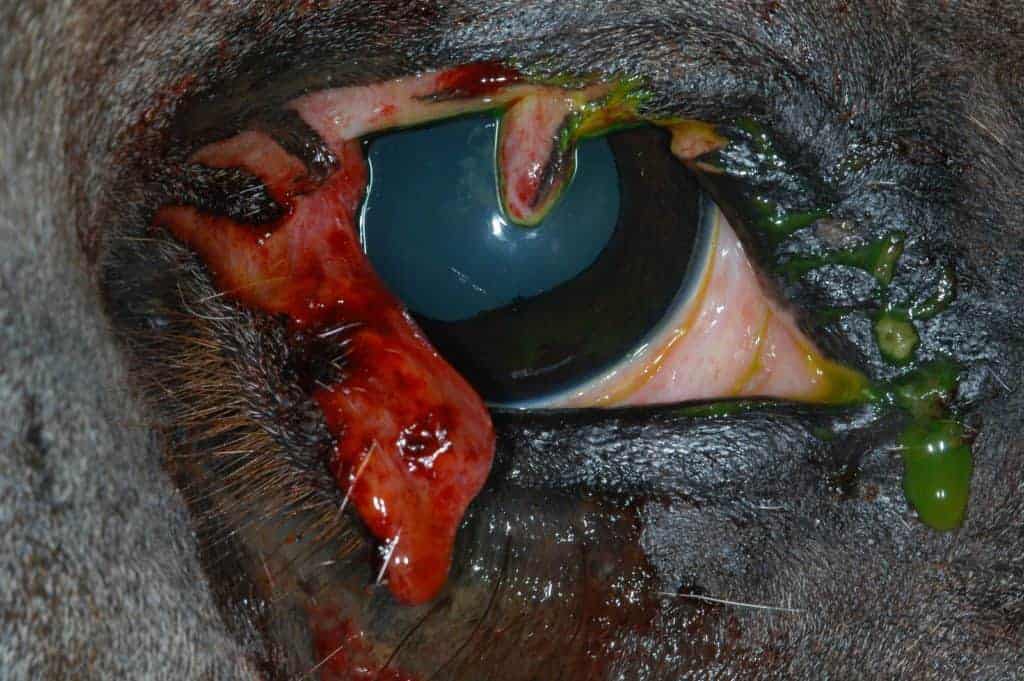
Although eyelid lacerations are common, they should be considered surgical emergencies.

Researchers found that NSAID administration reduced immune response in previously exposed and naive horses.

Vets successfully employed a pioneering technique to treat a South African horse’s intraosseous pressure.
Dr. Dianne McFarlane compares pituitary pars intermedia dysfunction and equine metabolic syndrome.

Carol Clark, DVM, Dipl. ACVIM, shares her picks for the top equine medicine studies of 2013.

Vets have made great strides in EMS diagnosis and management, but there’s still much work to be done.

Researchers are still working to fully understand what impact aging has on the equine immune system.