TLAER Horse Recovering from Injury in Canada
“Torque” is recovering at the University of Prince Edward Island’s Atlantic Veterinary College.

“Torque” is recovering at the University of Prince Edward Island’s Atlantic Veterinary College.

A recent study suggests anti-inflammatory drugs could reduce the rate of EHV-1 infection in horses.
Ghislaine Dujovne, DVM, MS, Dipl. ACT, will serve as a staff veterinarian and an equine reproduction professor
Pre-proposals should focus on one or more of three horse health and oat related research topics.
Communication in equine practice will be the focus of the 2012 keynote speech at the 58th AAEP convention.
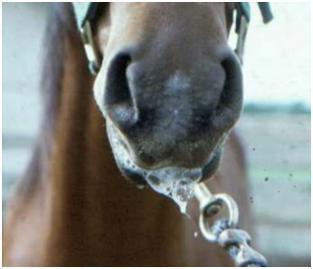
Mycotoxin exposure in horses, caused by feed contaminated with fungi, can be dangerous or fatal.
A panel will present radiographic images of joints and endoscopic videos of throats Thoroughbred yearlings.
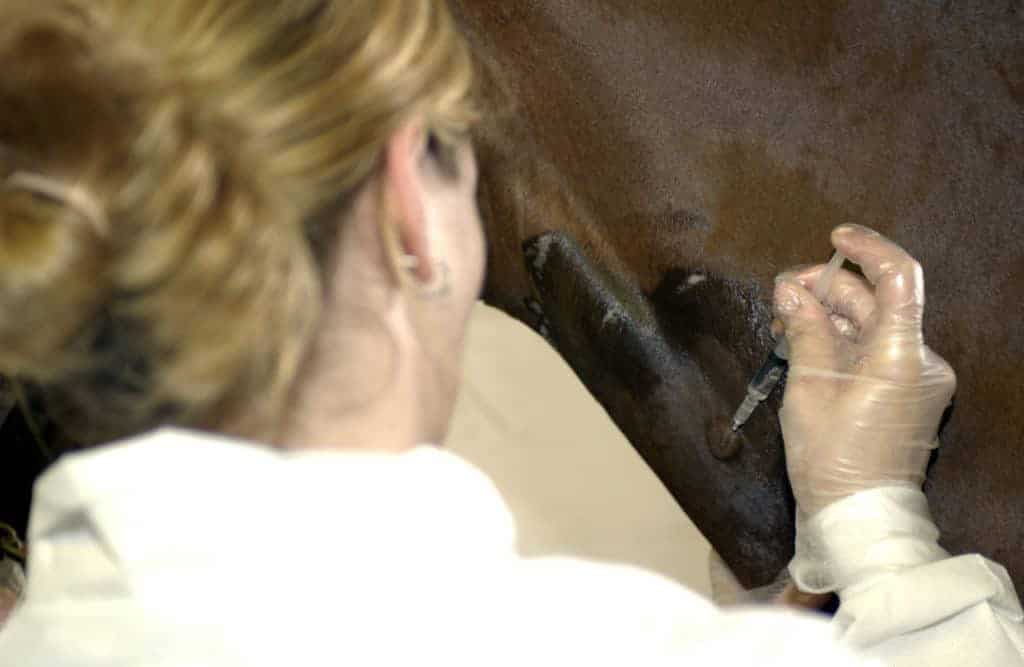
Study finds that dexamethasone (DXM) behaves similarly regardless of how it enters the horse’s body.
The report chronicles and reviews research conducted by LSU faculty and students from 2008 through 2010.

Freezing or inhibiting fecal samples from diarrheic horses allows C. perfringens detection for weeks longer.
Several horse health and industry organizations received grants during the first round of funding distribution
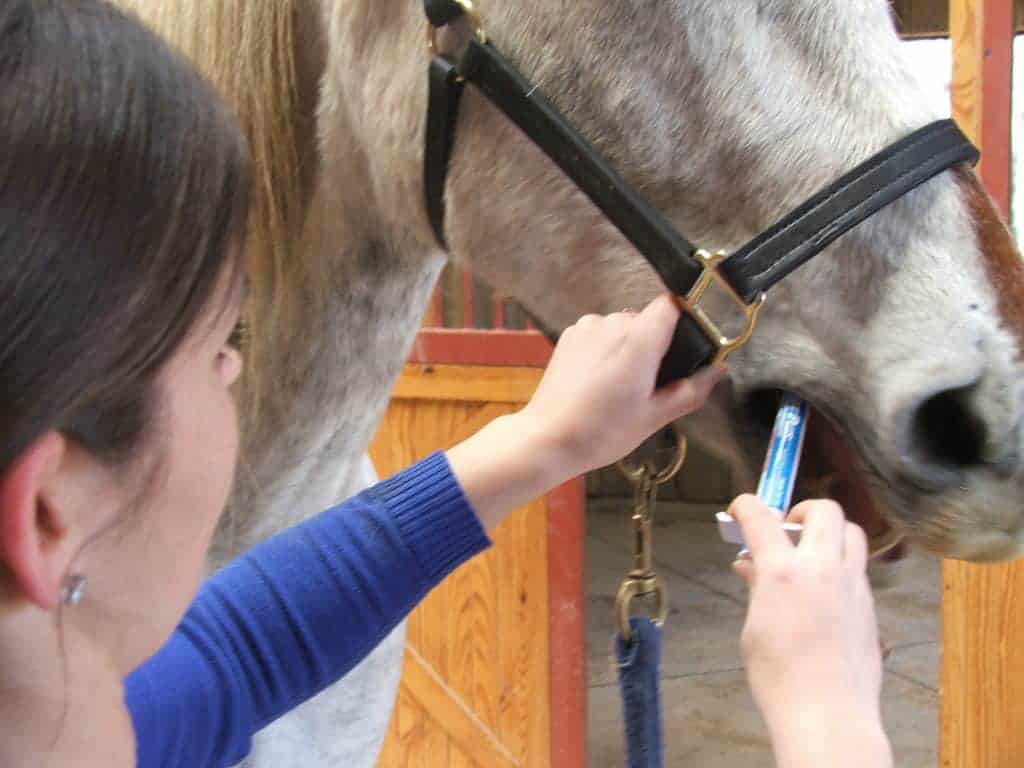
Consider using fecal egg counts and fecal egg count reduction tests in a sustainable parasite control program.
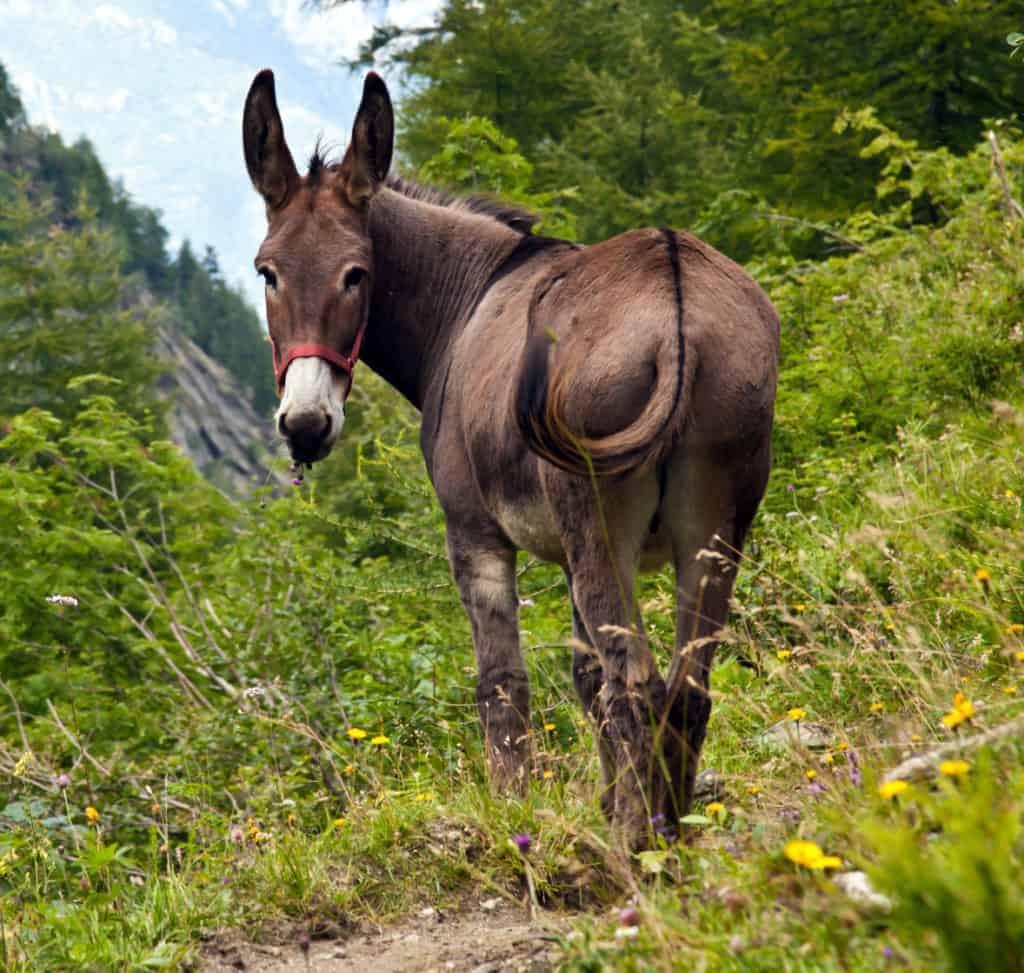
Feeding draft horses, miniature horses, ponies, mules, and donkeys requires special some considerations.
Services available include lameness evaluation and treatment, reproduction, diagnostic imaging, and more.
The AQHA is seeking bids from veterinarians interested in being the official veterinarian at 2012 world shows.
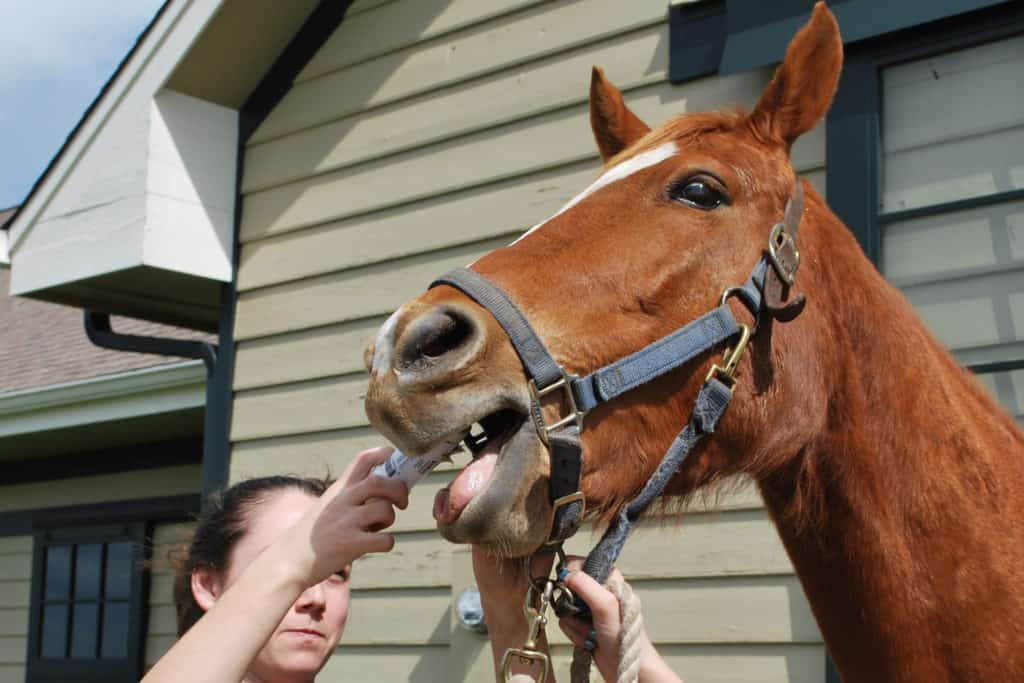
Dr. Martin Nielsen of UK’s Gluck Equine Research Center presents recent equine parasite-control case studies.