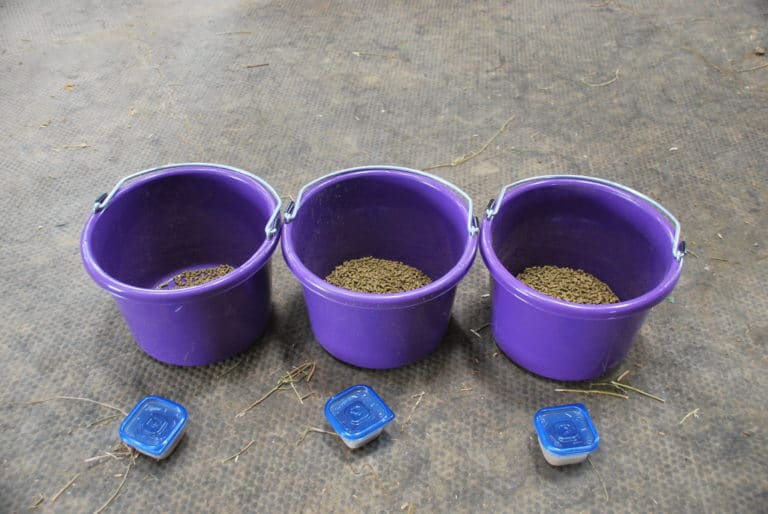
Intravenous PBZ Dosing in Horses (AAEP 2011)
One researcher concluded that when dosing PBZ in the horse, “More is not better. Less is less effective.”

One researcher concluded that when dosing PBZ in the horse, “More is not better. Less is less effective.”
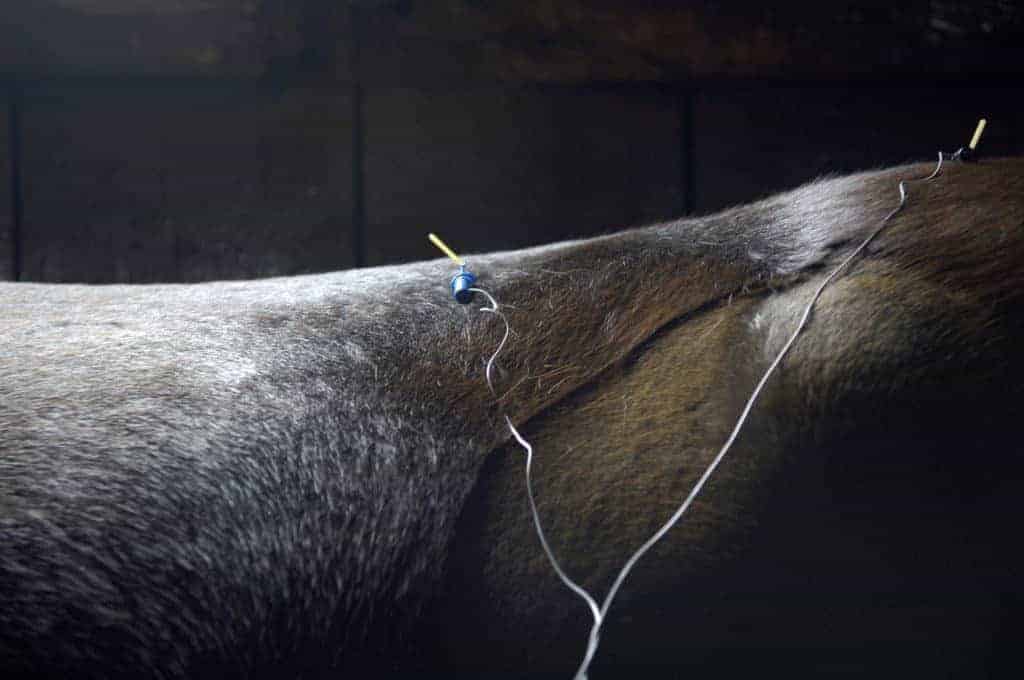
Clinical trials still yield a mixed bag of results for acupuncture’s efficacy in treating equine ailments.

The Lembert single layer pattern is faster, stronger, and less likely to impede the intestinal flow.
The hyperbaric oxygen chamber was shut down for evaluation after a similar chamber in Florida exploded.

Previous studies failed to achieve in horses what are considered therapeutic tramadol plasma levels in humans.
Sanjay Sarkar is a PhD candidate at the University of Kentucky Gluck Equine Research Center.

A wrap-up of some applicable studies to equine reproduction in 2011 from Dr. Patrick M. McCue.
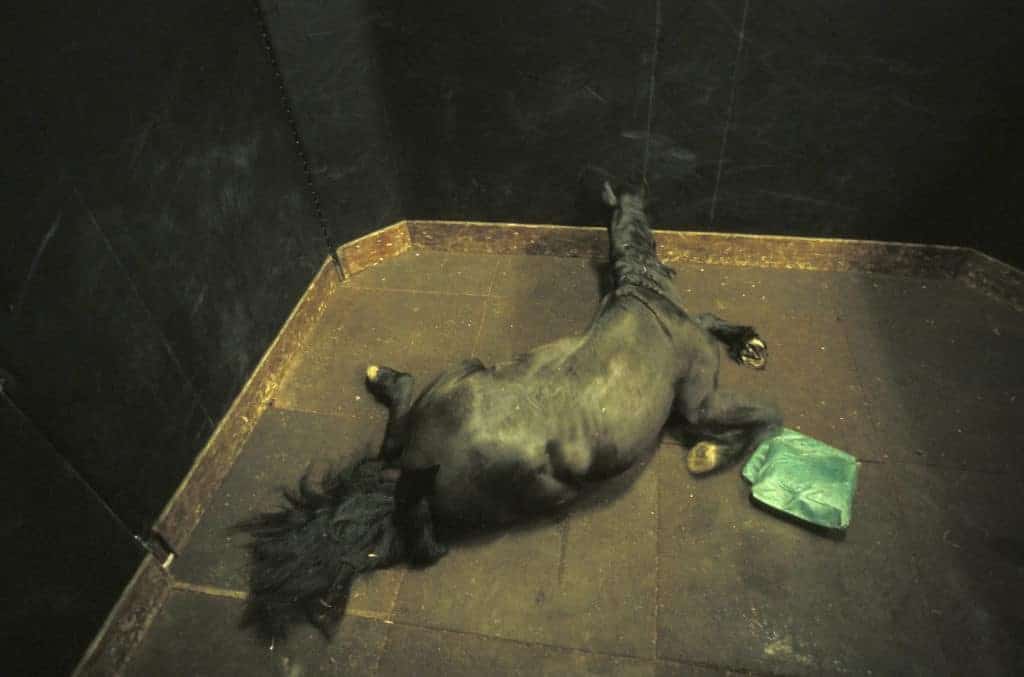
Compared to what’s known about seizures in other species, there’s surprisingly little data on equine seizures.

A wrap-up of the most important, interesting, or applicable surgery and lameness studies from Dr. Scott Palmer

Successful treatment depends largely on the types of cases the veterinarian selects, said one researcher.
Manuka honey can be used to promote healing of wounds without the need for a bandage, one researcher said.
Livestock Investigation Training for county and state officials returns to Asbury University March 14-16, 2012
The grand opening celebration for the University of Kentucky’s Equine Reproduction Facilities was held Feb. 2.
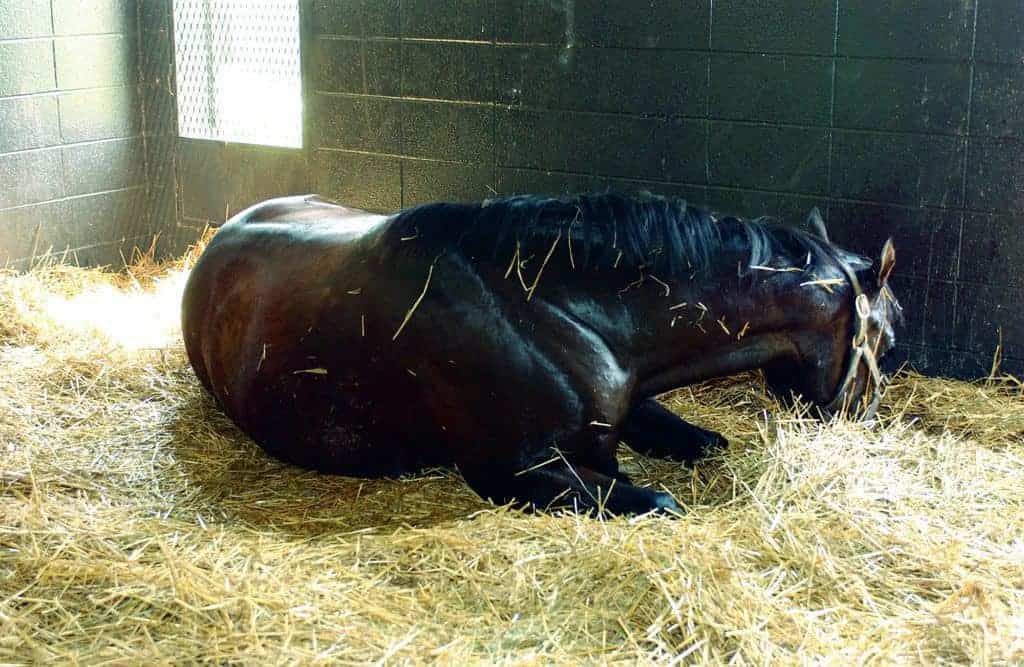
Horse owners should be prepared to make decisions about managing serious colic without the option of referral.
The panel’s report identified future research priorities for the study of equine colic.
Researchers reported success with inducing ovulation in winter anestrous mares via a new hormone therapy.