Hydrotherapy to Rehabilitate Injuries in Horses (AAEP 2011)
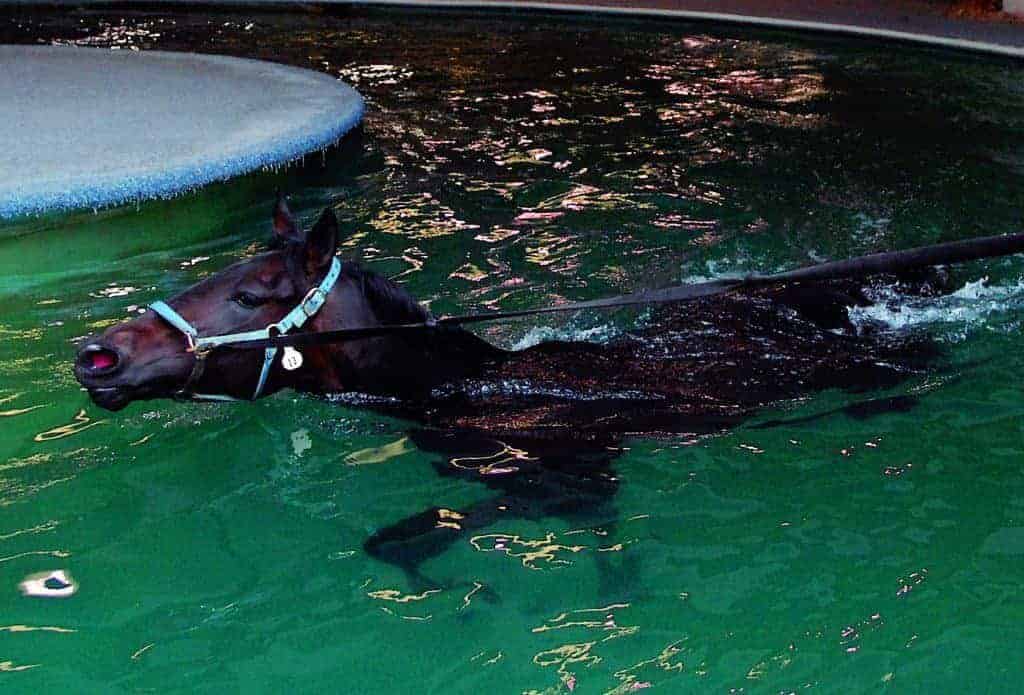
Veterinarians can prescribe aquatic therapy in the form of swimming pools or underwater treadmills.

Veterinarians can prescribe aquatic therapy in the form of swimming pools or underwater treadmills.
A favorable trait, the “tiger eye” iris color is a yellow-orange shade believed to be unique to Paso Finos.
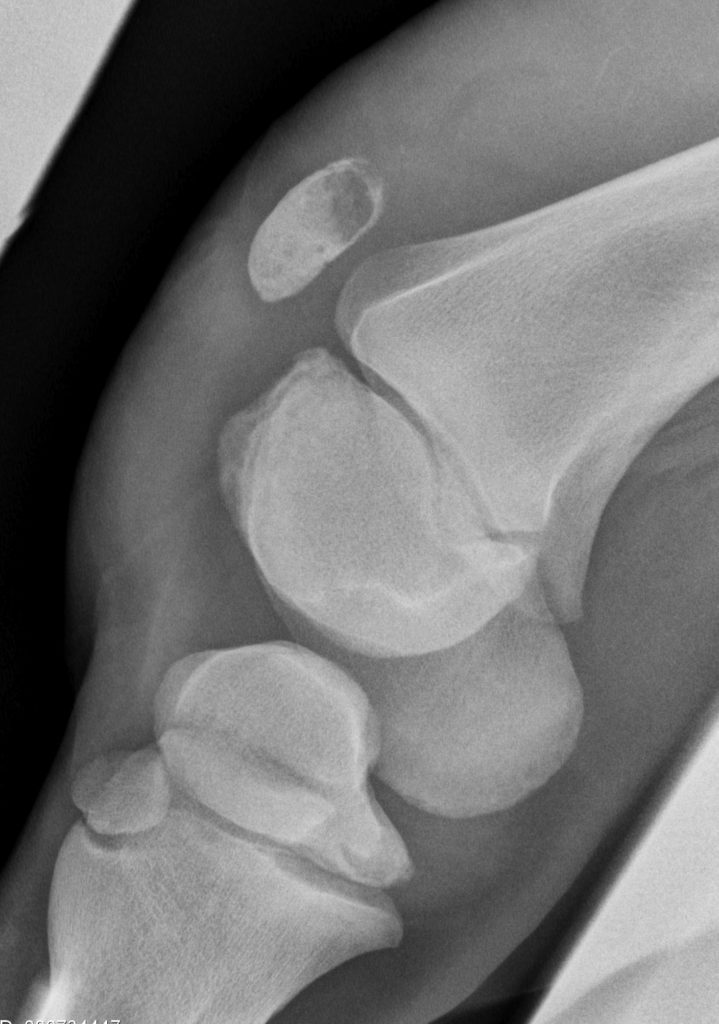
Patella infections in foals, while uncommon, can result in prolonged and severe stifle joint infection.
The mare and foal were admitted as a precautionary measure for pain management related to the birth.”
A researcher is examining how age-related and geriatric disases affect protein metabolism.

One researcher says manual therapies can effectively relieve back pain.

Owners or caretakers should be prepared for emergencies when mares are scheduled to foal.
Topics to be covered include lameness causes, equine acupuncture, and building equine facilities.

In one study of horses with acute respiratory disease, researchers found rhinitis in 42% of affected animals.
The LSU veterinary school helped provide medical care for dozens of allegedly maltreated horses.
The stallion was a model patient at the UF in 2008 and 2009 and is now being turned into a Breyer model horse.

Aspiration site should depend on clinician preference, as the cells from both sites behave similarly.
Mixed study results indicate more research is needed to determine dosing frequency and therapeutic window.
On Tuesday, Feb.7, from 6:30 to 7:30 p.m., the New Bolton Center will present “Colic in 3D: The Glass Horse.”
The multistate outbreak in 2011 illustrated the need for infectious disease control in the equine community.

In the current study most horses successfully returned to their prior athletic function after colic surgery.