UF Surgical Patient Turned into Model Horse
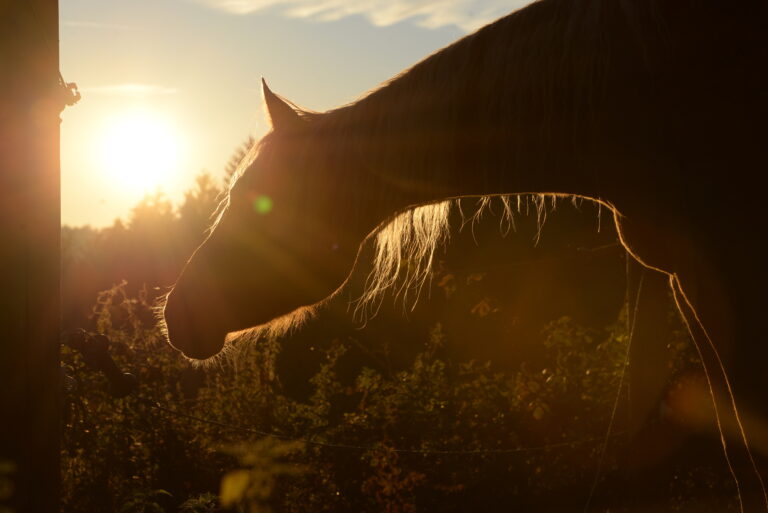
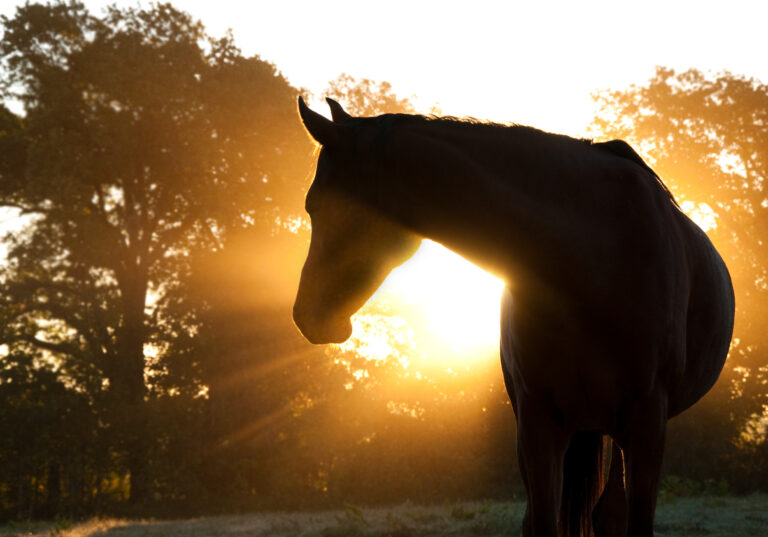
The stallion was a model patient at the UF in 2008 and 2009 and is now being turned into a Breyer model horse.

The stallion was a model patient at the UF in 2008 and 2009 and is now being turned into a Breyer model horse.

Aspiration site should depend on clinician preference, as the cells from both sites behave similarly.
Mixed study results indicate more research is needed to determine dosing frequency and therapeutic window.

In the current study most horses successfully returned to their prior athletic function after colic surgery.
On Tuesday, Feb.7, from 6:30 to 7:30 p.m., the New Bolton Center will present “Colic in 3D: The Glass Horse.”
The multistate outbreak in 2011 illustrated the need for infectious disease control in the equine community.
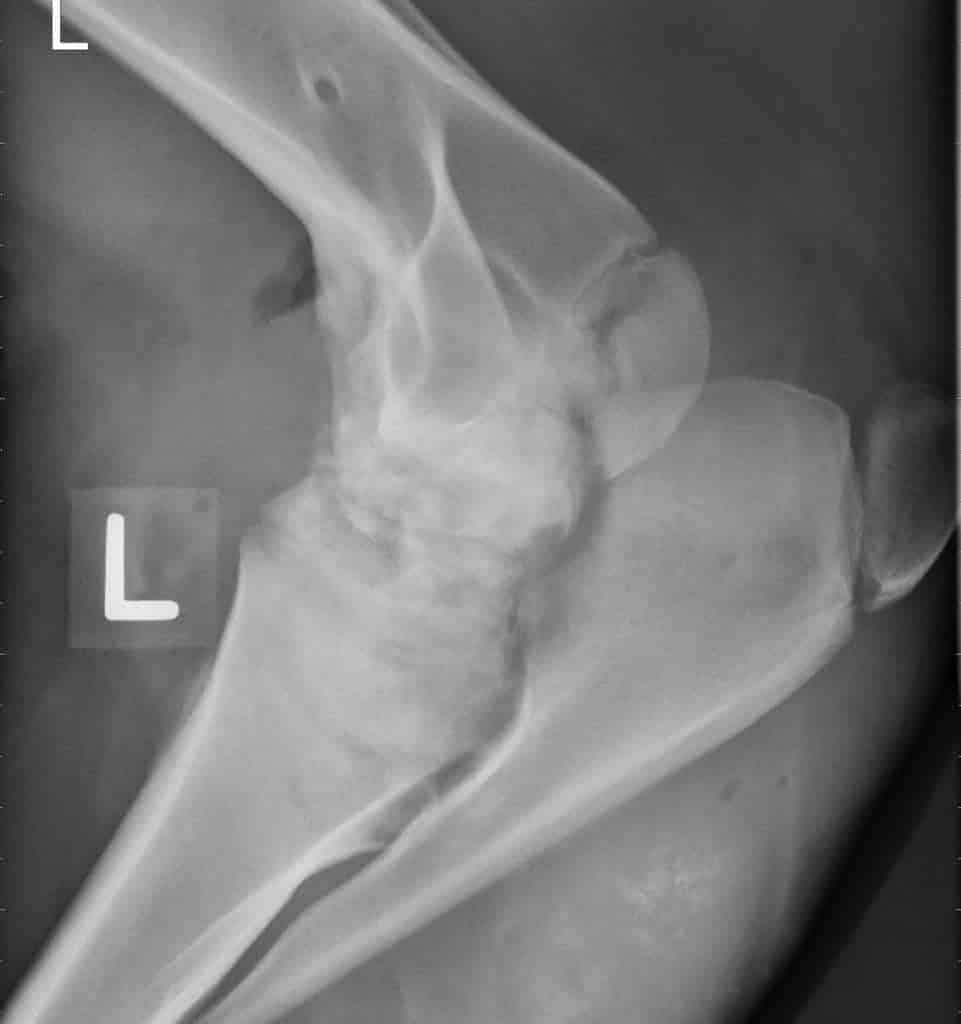
Treatment goals should be to aid in performance without eliminating the joint’s natural response to injury.

Kissing spines are more likely to cause clinical problems in certain breeds, disciplines, and age groups.
The goal is to identify factors associated with the outbreak in order to prevent and control outbreaks.

Topical anti-inflammatories, hyaluronic acid, and shock wave therapy are among the popular treatment options.

Past studies showed that vaccines were only sometimes effective in preventing development of viremia.
The survey will include all breeds and disciplines of horses, as well as ponies, mules, and donkeys.
Make a difference in someone’s life by sharing your equine expertise and passion.

Veteran broodmares are at risk of placentitis, partly due to anatomic changes from previous foalings.
A scaled-up single layer centrifugation method improved stored semen quality.
Exercise-associated hematuria, urethral tears, and idiopathic renal hematuria are three less common causes.