Sports Injury Rehabilitation Table Topic (AAEP 2011)
Topics discussed included soft tissue injuries, post-operative and posttrauma care, and neck and back pain.

Topics discussed included soft tissue injuries, post-operative and posttrauma care, and neck and back pain.
Topics discussed included racetrack testing requirements, current testing options, and recent reerach results.
Inspectors determined that a horse in the trainer’s care was bilaterally sore and wearing a nerve cord.
Sue Dyson, MA, VetMB, PhD, DEO, FRCVS, and Chris Gregory, CJF, FWCF, will present at the lecture in January.

Farriers can help devise a hoof care plan to helps a performance horse return to work as soon as possible.
The Equitarian Initiative educates veterinarians interested in helpding working equids worldwide.
Veterinarians use the principles of evidence-based medicine when they diagnose patients.
Researchers developed a “brain and immunity chip” to characterize molecular changes in the equine brain.
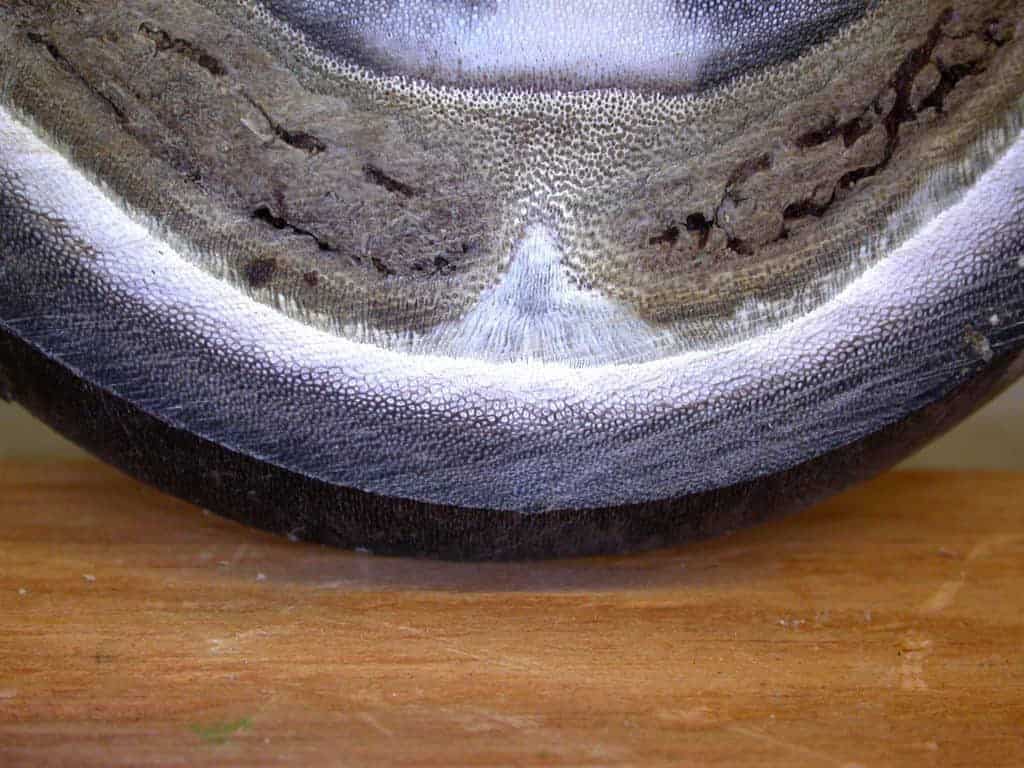
Research is needed to determine if the toe crena could be used as a prognostic indicator for laminitic horses.
The pair was recognized for their commitment to serving equine veterinary needs at Mylestone Equine Rescue.
Population control strategies, adoption screening procedures, and wild horse public image were discussed.
Tanja Molby, DVM, received the Legend of the Year award for helping to create the Michigan Equine Foundation.
Attendees discussed hoof lameness, club feet, track surface’s effect on lameness, back and neck pain, and EPM.

One researcher says accupuncture’s pain-relieving and anti-inflammatory effects can help laminitic horses.

Endocrinopathic laminitis might be more common in horses affected by endocrine disease than once believed.

In the right hands, these physical therapy methods can help rehabilitate injured horses.