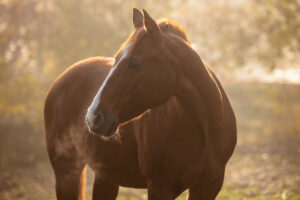
AAEP Honors Past President Doug Corey, DVM
Corey was honored for his dedication to the AAEP and his efforts to preserve equine welfare.

Corey was honored for his dedication to the AAEP and his efforts to preserve equine welfare.
Beech has influenced the careers of thousands of students and young faculty members at Penn Vet.

Cryotherapy is known to have anti-inflammatory and pain relieving effects, both of which help affected horses.
The award honors a nonveterinarian individual who has made substantial contributions to veterinary medicine

Sue McDonnell, PhD, Certified Applied Animal Behaviorist, received the 2011 George Stubbs award at the AAEP Convention. The award recognizes a non-veterinarian who has made substantial contributions to equine veterinary medicine.
Florida racetrack practitioner John Mitchell, DVM, began his service as the president of the American As
New members of the AAEP Board of Directors were sworn in during the 2011 AAEP Convention in San Antonio.

The use of force plate-based technology could quantify lameness severity in chronically laminitic horses.
Texas A&M professor Noah Cohen, VMD, MPH, PhD, Dipl. ACVIM, delivered the Frank J. Milne lecture Nov. 20.
Two equine researchers were presented today with the inaugural 2011 EQUUS Foundation Research Fellowships.

An upcoming laminitis project sponsored by the AAEP Foundation and conducted by Texas A&M University researchers will collect case information from veterinarians across the country. It will be one of the largest studies of the disease ever conducted.
TheHorse.com’s Ask the Vet LIVE Q&A event on Complementary Therapies was held on Oct. 26.
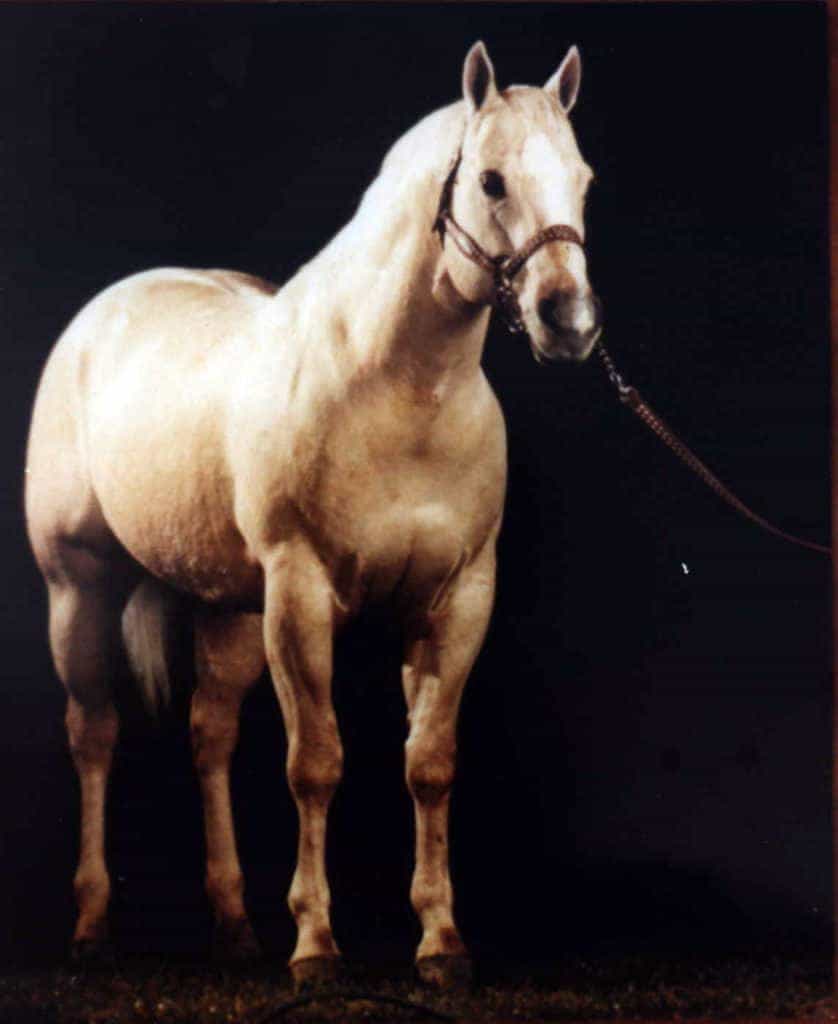
The Legacy award honors those who have registered at least one foal for fifty consecutive years

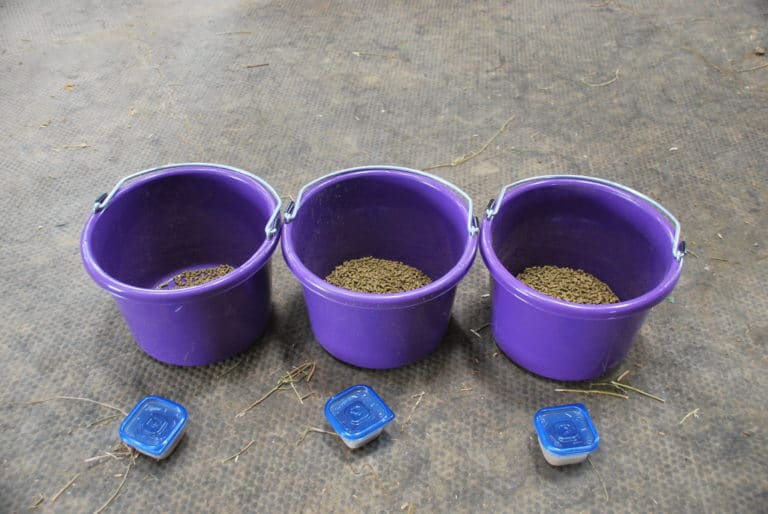
Increased feed digestibility means greater conversion of feed to energy and–ideally–reduced feed bills.
Recording of TheHorse.com’s Ask the Vet LIVE event on complementary therapies from Oct. 26, 2011.
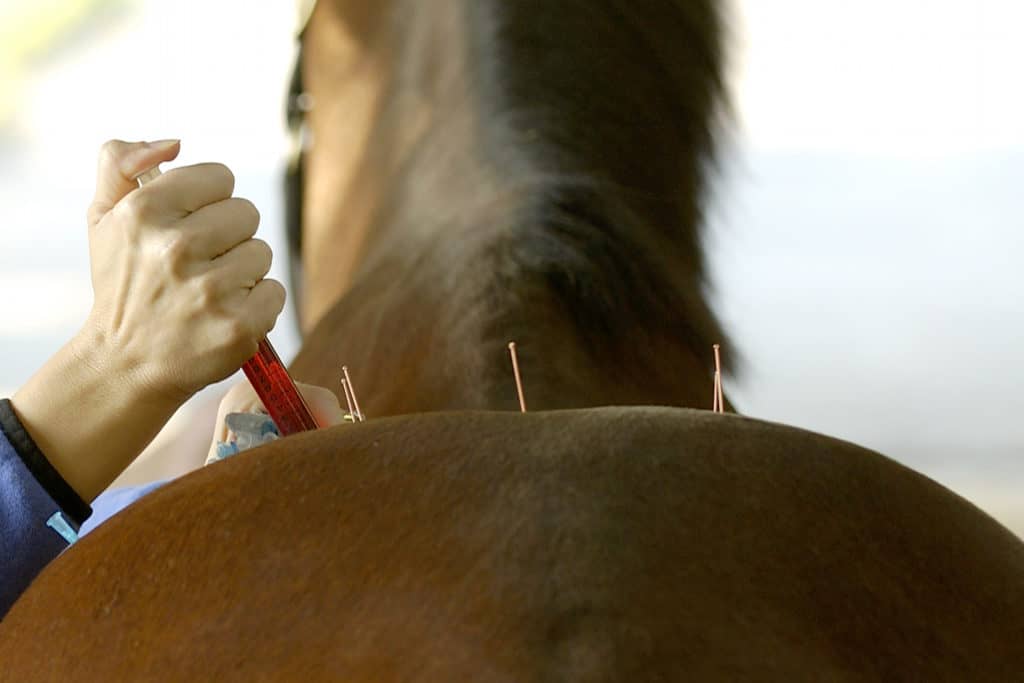
Complementary therapies such as acupuncture, chiropractic, homeopathy, and herbal medicine often generate controversy. Is there any real evidence that these therapies can help horses? What training do practitioners offering these modalities have?