Mares With Corrected Mesenteric Rents Can Return to Breeding
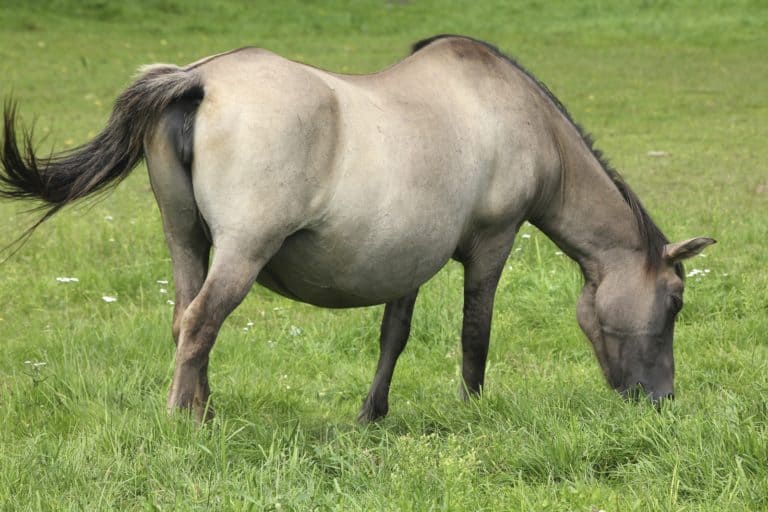
Mares discharged from the clinic following surgery have an excellent prognosis for survival and producing foals.

Mares discharged from the clinic following surgery have an excellent prognosis for survival and producing foals.

After four weeks of resistance band training, horses showed less unwanted vertebral movement along the back.

Researchers say horses can carry EIA’s causative virus for up to two years without a blood test returning positive.

Pharmacological osteoarthritis therapy focuses on preventing or reducing pain and improving joint function.

With winter approaching, schedule a dental check-up and nutritional status assessment, especially for older horses.
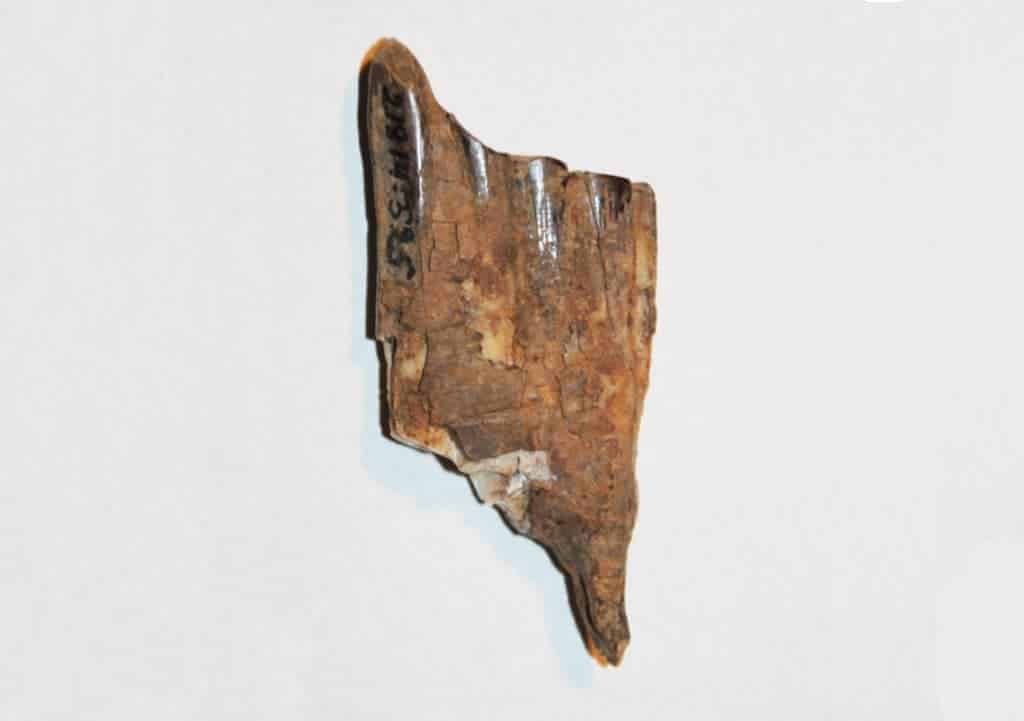
Researchers recently discovered the first reported mandibular (cheek tooth) hook in a medieval horse.

Haptoglobin in peritoneal fluid and SAA in serum and peritoneal fluid and were associated with nonsurvival.

Of 22 horses that underwent a second surgery, 19 survived and were discharged from the hospital, researchers found.

Funding for the renovation was provided by a donation from the Pfeiffer-Burt estate.
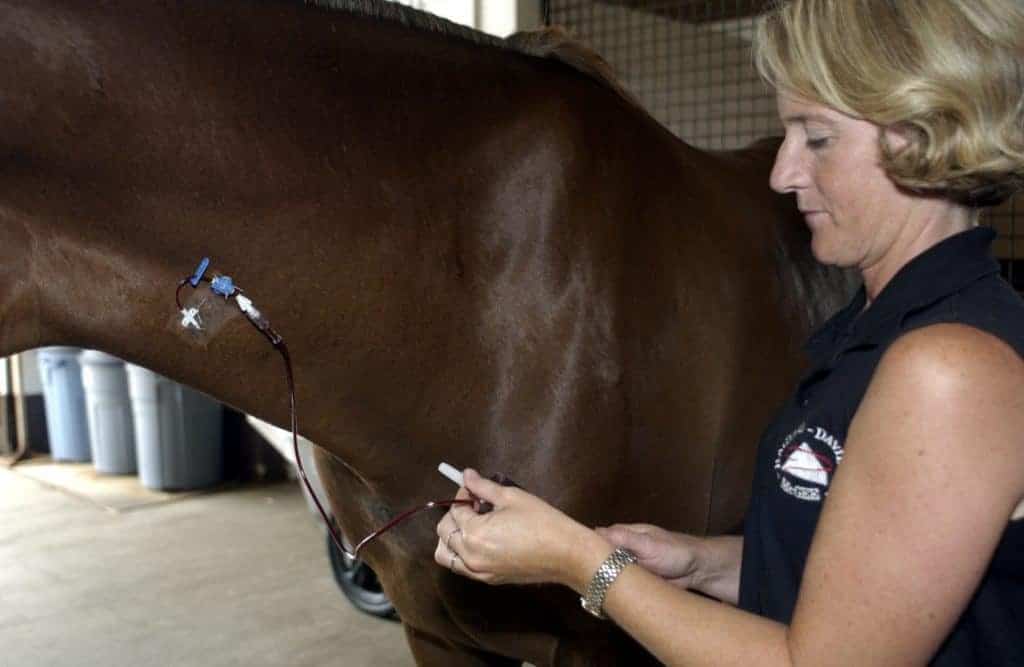
If levels continue to increase for more than three to four days post-surgery, complications could be brewing.

Dr. John Hubbell shares how vets can recognize and help horses experiencing pain by focusing on creating comfort.

Chronic colic in horses presents a unique challenge and creates a diagnostic puzzle for veterinarians to piece together. Here’s how they approach it.

Half the owners didn’t understand equine thermoregulation, including horses’ bodily response to clipping and blanketing.

Researchers found that antimicrobial-impregnated dressing could help reduce the incidence of surgical site infection.

Quantitative information provides better data for determining treatment and prognosis, researchers said.

Owners considered veterinarians the most reliable information source, which researchers found encouraging.