25 Vet Students Rewarded for Commitment to Equine Medicine
The Winner’s Circle Scholarship Program has provided $1,102,500 in scholarships since its inception in 2008.

The Winner’s Circle Scholarship Program has provided $1,102,500 in scholarships since its inception in 2008.

Researchers recently described a novel and still experimental procedure designed to treat PPID with positive results.

The team confirmed that EMS horses aren’t always fat, but that obesity can point to an underlying metabolic condition.

Researchers determined that pregnant mares can abort their fetuses as a stress response to prevent future infanticide.
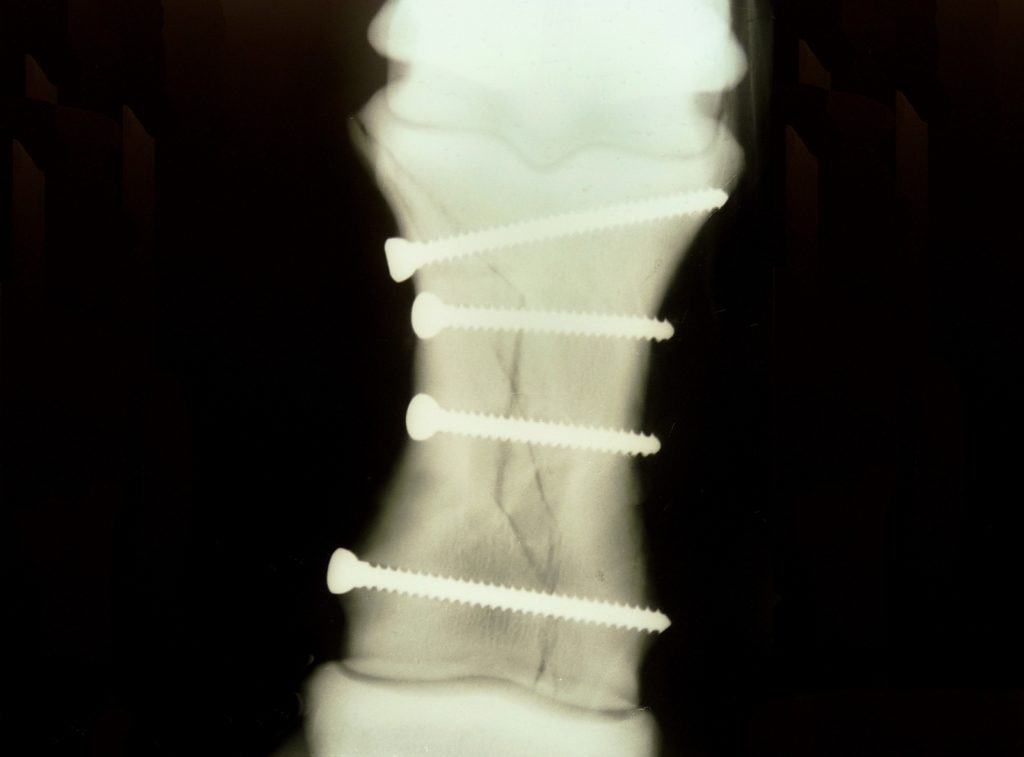
Technological advances and improved surgical procedures mean horses have a better chance of surviving a fracture.

Scientists found a gene that could identify superior tractability, or how easily a horse can be trained or controlled.

Hayley Rasmussen-Ball describes a typical 24 hours in the world she wouldn’t trade for anything.

This is the first study to identify a potential genetic, rather than environmental, cause for foal loss in mares.

A University of Illinois’ Veterinary Teaching Hospital researcher is seeking new approaches for treating corneal ulcers.

Treated horses had less corneal fluid swelling than before, did not develop any corneal ulcers, and retained vision.

The key is understanding a horse’s arousal, or alertness, level.

Gait analysis applications on a smartphone can give reliable data to help detect hind limb lameness issues in horses.

The newborn foal is both precious and precarious. Knowing the signs of distress to look for during foaling and those first few hours, and acting immediately, can literally mean the difference between life and death.

Soft tissue damage resulted in a larger increase in SAA levels than bone and joint injuries, researchers found.
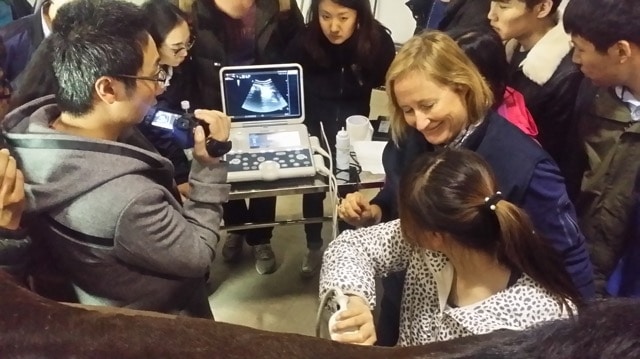
So far this year WEVA has held meetings in Heilan and Beijing, China; Cluj-Napoca, Romania; and Moscow, Russia.

Researchers determined that air-dried sperm can be kept for up to four weeks before being used to produce an embryo.