Distinguished Equine Veterinarian Gary Lavin Dies
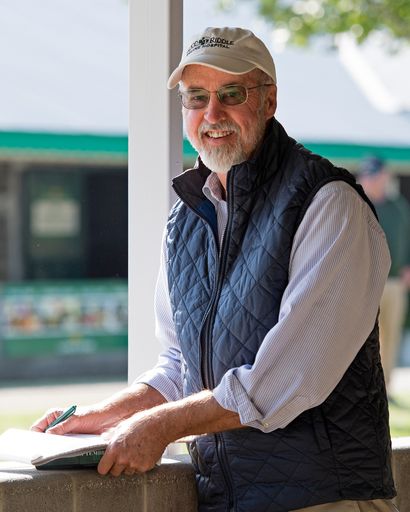
A. Gary Lavin, VMD, veterinarian, Thoroughbred breeder, and exemplar of leadership in his profession, died at his home in Louisville, Kentucky, on Feb. 27. He was 83.

A. Gary Lavin, VMD, veterinarian, Thoroughbred breeder, and exemplar of leadership in his profession, died at his home in Louisville, Kentucky, on Feb. 27. He was 83.

Seventy-two potentially exposed horses were released from restricted movement following 14 days of monitoring.

Finnish researchers found that 83% of the Standardbred horses and 90% of the Finnhorses (a local draft breed) had acute lesions resulting from their bits post-racing. Mares were at a greater risk of mouth injury.

The guidelines, available as a PDF file, were reviewed and approved by the AAEP’s infectious disease committee and board of directors.

The cases bring the province’s number of affected equine premises to three.

Test results are pending for 62 exposed horses on the affected horse’s home premises.
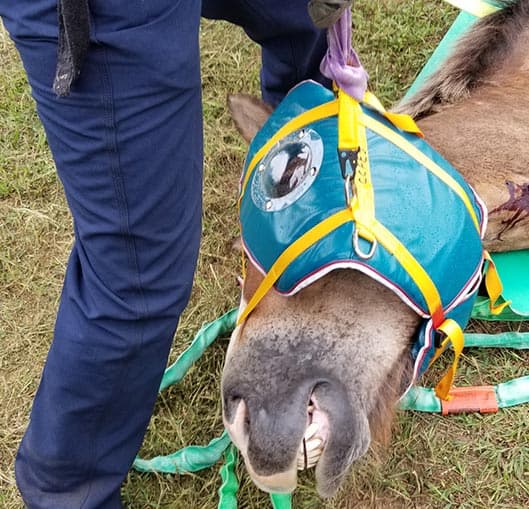
Vets and handlers can take these steps to keep horses restrained during recovery or rescue.

Both Hanover County farms have completed EHV monitoring.

Horses are susceptible to a number of viral and bacterial diseases for which the equine industry has produced safe and effective vaccinations.

Veterinarians can use these fetal parameters to monitor foal health and predict foaling date.
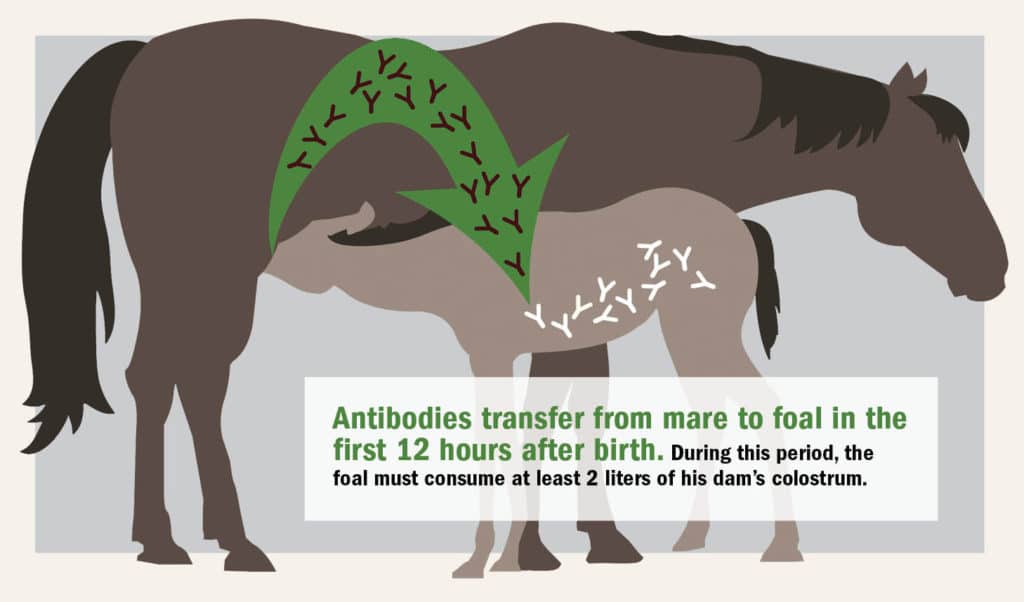
Approximately 5-20% of newborn foals are diagnosed with failure of passive transfer and are at risk for developing serious medical conditions. Learn more in this visual guide.


Does freezing weather turn urine and water in your stalls’ runs into pee-filled ice rinks? There’s no perfect solution, but here are some tips that might help.

As a traditionally outdoor sport, horseback riding might seem like one situation where you wouldn’t need to wear a mask or stress over social distancing to prevent the spread of COVID-19. However, that might be a mistake, says a leading equitation science researcher.

Veterinarians have confirmed two more Washington state horses with equine influenza (EI). One of the horses also has respiratory EHV-1.