NTRA, UK Offering Racecourse Manager Certification
Organizers say the racecourse manager certification will help train a new generation of professionals to support racing surface safety and consistency.

Organizers say the racecourse manager certification will help train a new generation of professionals to support racing surface safety and consistency.

New industry rules intended to improve horse welfare by decreasing whipping frequency might actually go against the principles of operant training and, specifically, negative reinforcement, one equitation scientist says.
DNA testing is still available to determine DNA types and perform parentage testing.

The livestock heat index can help producers know when animals, including horses, are at risk for heat stress and require extra resources to combat and withstand the conditions.
Attendees gained insight on how the horse industry can learn from other industries, utilize data that has been collected, and capitalize on opportunities to grow and expand equine interests.
The Horse Media Group, its freelancers, and its titles collected five awards from American Horse Publications.

Other topics to be addressed are disaster planning, the Thoroughbred’s versatility as a sport horse, racing surfaces, and more.
Authorities removed 27 donkeys, four horses, and a mule from a property near Houston on June 13.
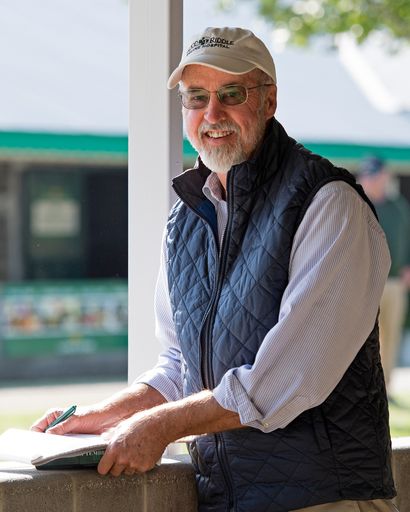
Barrie Grant, DVM, Dipl. ACVS, has been an equine veterinarian for more than 50 years and has been an official California Horse Racing Board veterinarian since 2009.
The Farm Bill contains legislation regarding horses, but its failure had nothing to do with equine industry issues.
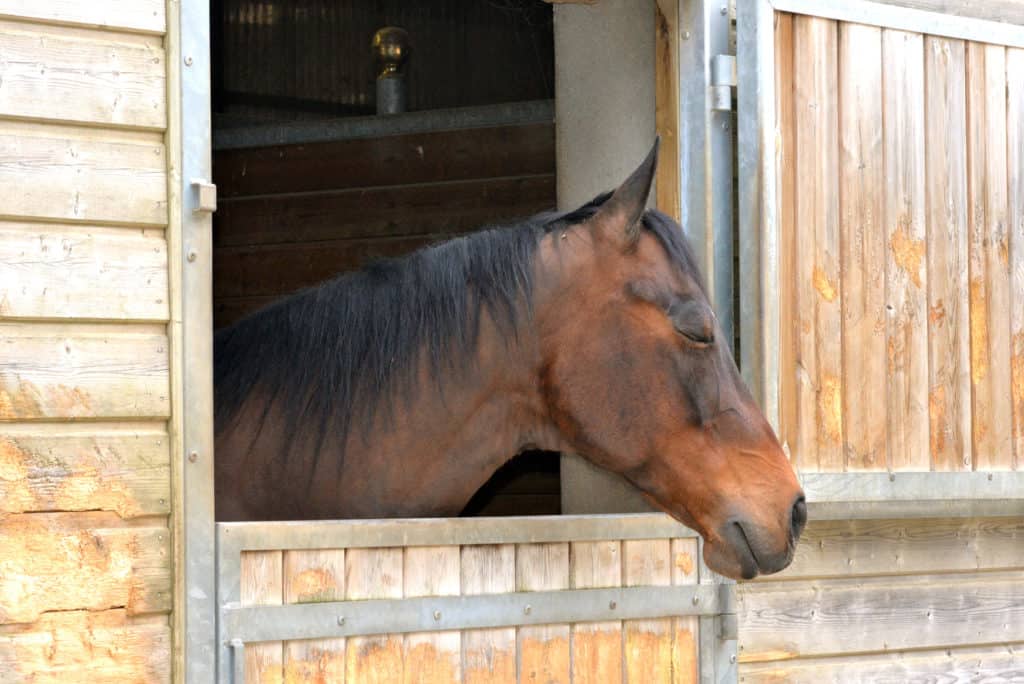
Misinterpretations (believing a horse is happy when in fact he’s depressed, for example) could cause these future professionals to miss signs of poor welfare and put themselves at risk of injury (if they perceive an agitated horse as playful, for instance).
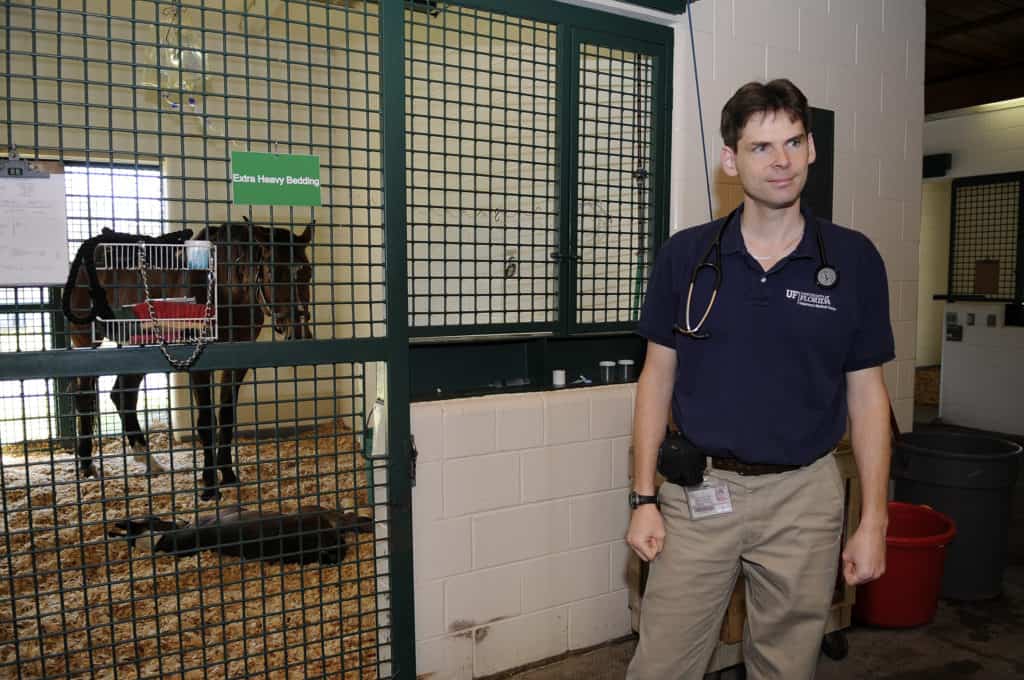
Giguère, professor and Marguerite Hodgson Chair in Equine Studies at the University of Georgia College of Veterinary Medicine, died unexpectedly following an accident on May 27. He was 48.

David Jones, DVM, was recognized and celebrated for his and the organization’s global equitarian efforts.
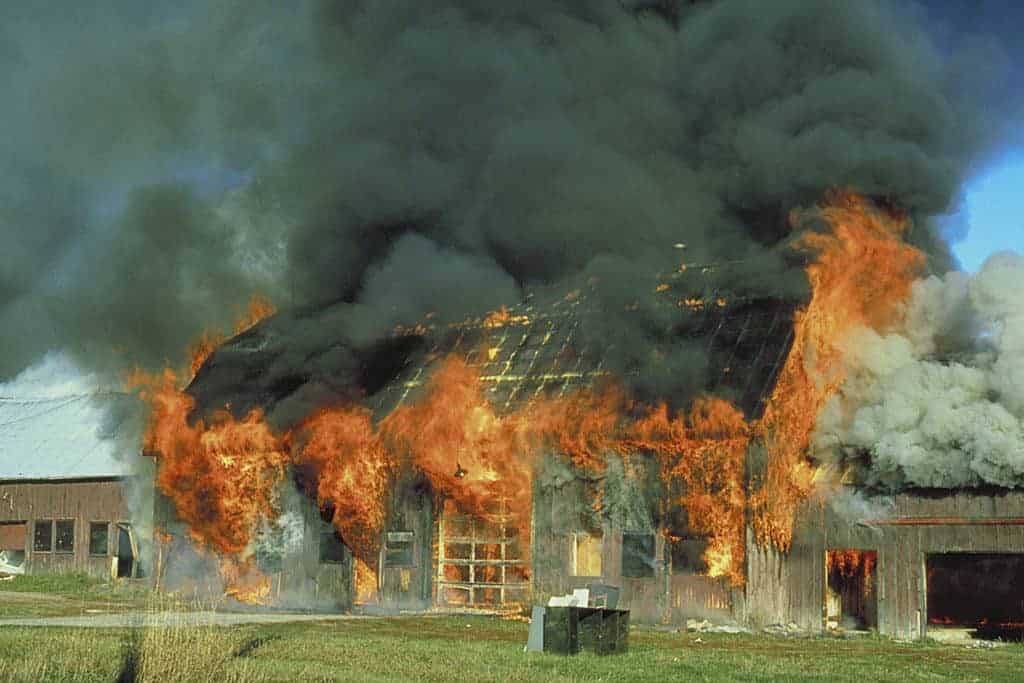
Wildfires and barn fires present a real threat to horse and human safety. Learn how to make your property fire-free during this Q&A.

Most equestrians would be horrified to know they’re hurting their horses. But with the equipment we use—from spurs to nosebands—we might be unintentionally causing them harm.
Gene doping involves the transfer or modification of genes or genetically modified cells of healthy athletes, human and equine, for nontherapeutic purpose to enhance athletic performance.