Insulin dysregulation (ID) increases horses’ risk of laminitis, a painful and potentially fatal hoof disease. But identifying affected horses isn’t always straightforward, particularly when they show no obvious physical signs of metabolic problems.
Researchers at North Carolina State University’s (NCSU), in Raleigh, recently evaluated 180 sport horses from the university hospital and local farms using an oral sugar test (OST). They diagnosed ID in 41 horses, or 22.8% of the study population, which included multiple breeds and disciplines.
Physical Appearance Doesn’t Predict Insulin Dysregulation
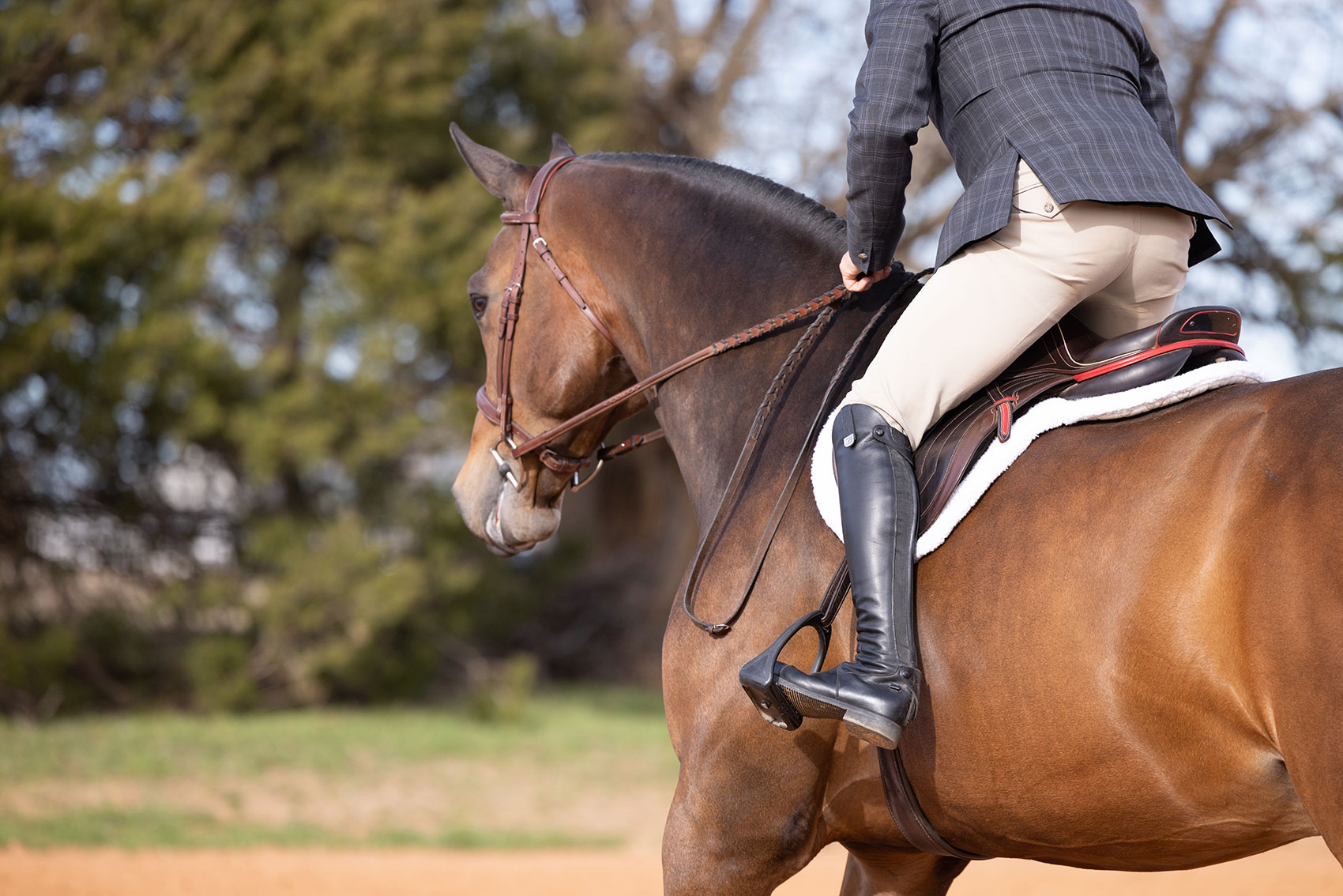
Lauren Schnabel, DVM, PhD, Dipl. ACVS (LA), ACVSMR (Equine), professor of equine orthopedic surgery and associate/assistant dean of graduate studies at NCSU’s College of Veterinary Medicine, and graduate student Kimberly Hallowell, DVM, Dipl. ACVIM, PhD, found physical appearance did not predict which horses had ID. Body condition and neck fat were not associated with ID in the study, meaning owners cannot reliably identify affected horses based on these factors alone.
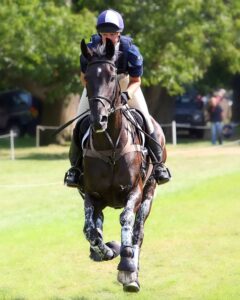
Even fit, athletic horses with good muscle tone can have insulin dysregulation, making it difficult to identify at-risk horses based on appearance or neck crest alone, said Schnabel and Hallowell. Testing is the only way to confirm whether a horse has the condition.
Identifying ID in sport horses also helps veterinarians make treatment decisions. The researchers noted that sport horses also commonly receive steroid joint injections, and they previously found these treatments can worsen ID, potentially putting them at a higher risk for laminitis.
Fasting Insulin Can Miss ID Cases
Veterinarians can test horses for insulin dysregulation in several ways. A fasting insulin test measures blood insulin concentrations after a period without feed, while a dynamic test, such as the oral sugar test (OST), measures insulin before and after the horse consumes sugar.
The researchers highlighted the limitations of relying on a fasting insulin test alone to diagnose equine ID; it missed most horses with ID. Of the 41 horses diagnosed with ID, only 11 had increased fasting insulin concentrations. The OST identified the remaining 30 (74%) horses.
“Although the fasting test is convenient, a normal result does not mean the horse is normal; dynamic testing is needed to know for sure,” Schnabel said. “By incorporating dynamic insulin testing as part of routine health assessment, we can catch these cases earlier and take proactive measures to reduce laminitis risk.”
A Stall-Side Testing Option
The researchers also evaluated a 15-minute stall-side insulin test and found good overall agreement with the validated laboratory assay. However, the stall-side test tended to produce higher insulin readings and showed greater variability at higher concentrations. They suggested practitioners confirm unusually high results with laboratory testing.
This testing method could give veterinarians a faster way to screen horses in the field, including as part of an oral sugar test, the researchers said.
Take-Home Message
Insulin dysregulation can occur in sport horses regardless of how fit they appear, and fasting insulin measurements alone can miss affected horses. Talk with your veterinarian about whether dynamic insulin testing (oral sugar test) might help assess your horse’s metabolic health and laminitis risk.