Understanding Autumn Laminitis in Horses
Yes, spring brings an increased risk of endocrinopathic laminitis for susceptible horses—but so does autumn. Here’s why.

Yes, spring brings an increased risk of endocrinopathic laminitis for susceptible horses—but so does autumn. Here’s why.
How veterinarians define long-term success when curing the disease is not an option. Learn more in this article from The Horse’s Fall 2026 issue.

An equine nutritionist offers alternatives to soaking hay for horses that live in subfreezing climates during winter.

Laminitis causes inflammation in tissues supporting the coffin bone in the hoof and can cause severe pain. Watch this webcast to learn what to watch for and when to call your vet.
Managing chronic laminitis in horses calls for a proactive approach.
Early recognition and identification of the underlying cause give veterinarians the best opportunity to improve outcomes for horses with laminitis.
Early metabolic screening, low-sugar diets, and targeted medication can help protect at-risk horses from laminitis before lamellar damage within the hoof begins.

Effective joint therapy involves matching treatment to the horse, the diagnosis, and underlying health risks.

Choose safer times of day and grasses for your horses’ turnout while safeguarding their feet from laminitis.

Learn how to help your horse or pony shed his excess pounds safely.

An equine nutritionist explains how horses use dietary fats for energy and why some metabolic horses might need additional fat sources.
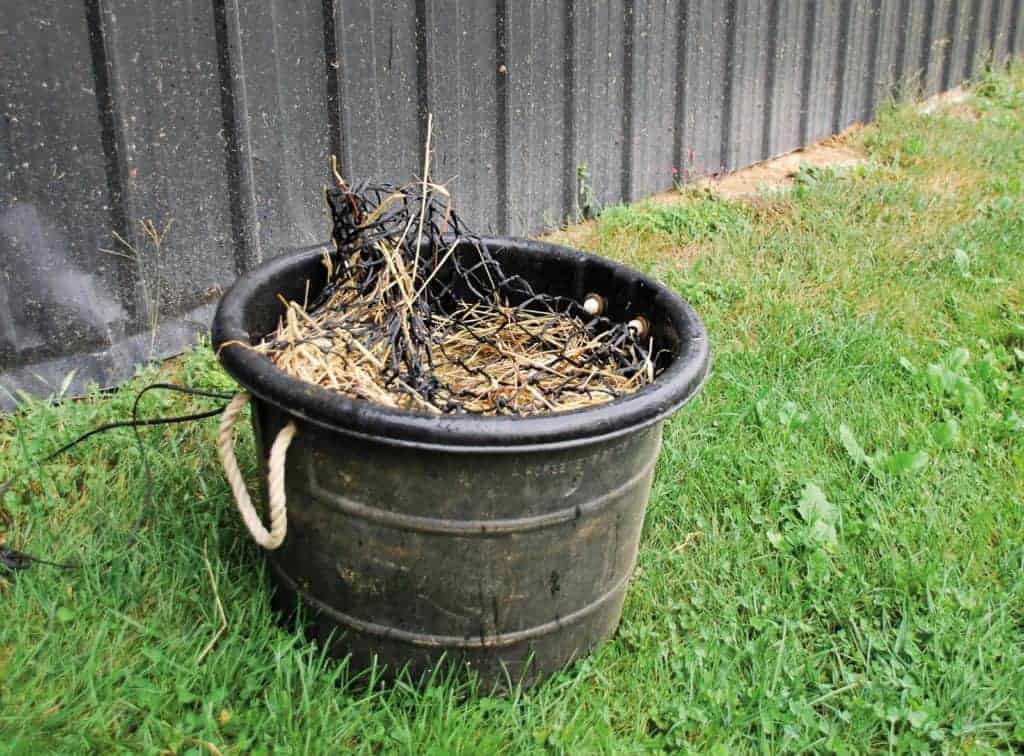
Soaking hay can reduce sugars for metabolic horses but must be managed carefully in summer to avoid mold. An equine nutritionist shares advice.
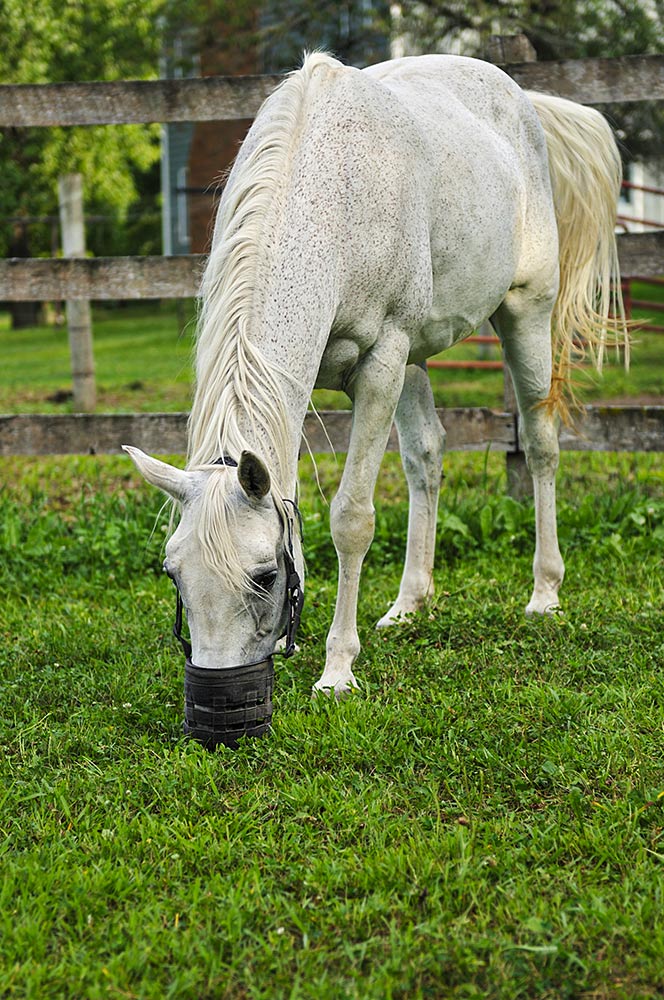
New research on insulin dysregulation highlights how pasture NSCs, forage intake, and grazing muzzles can help reduce laminitis risk in horses.
A researcher describes the importance of low-NSC diets for horses with metabolic problems and gives 3 tips for helping metabolic picky eaters gain weight.
Hay soaking can help horses with equine metabolic syndrome, but owners should understand how it might affect the rest of the diet.
Here’s why equine metabolic syndrome can affect horses with a healthy body condition and how you can monitor and manage these animals.