Feeding Horses With Special Needs
Read about the do’s and don’ts of feeding horses that have 4 common health conditions, including gastric ulcers, metabolic disorders, and more.

Read about the do’s and don’ts of feeding horses that have 4 common health conditions, including gastric ulcers, metabolic disorders, and more.

An equine nutritionist explains why NSCs, ESCs, and WSCs are important factors to consider when choosing hay for your EMS horse.

Dr. Kristi Gran explains how owners can plan ahead for expenses related to managing a horse with chronic laminitis and why prevention is key.
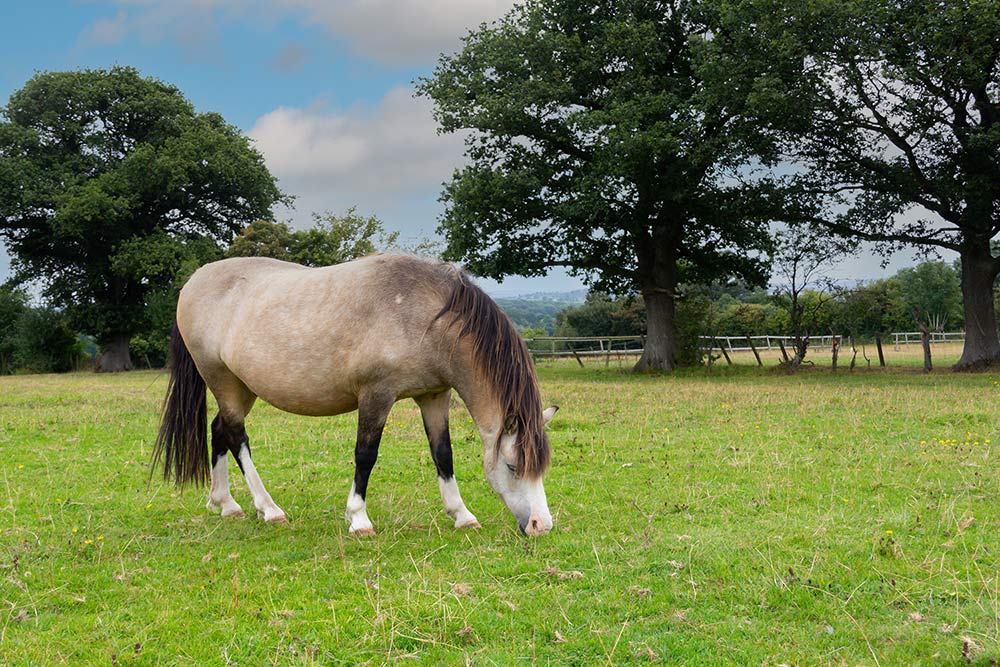
Learn tips and tricks for navigating the difficulties of managing overweight horses in this article from The Horse‘s Fall 2025 issue.

An equine veterinary podiatrist says ice might help address this horse’s foot pain but won’t solve the main problem.

Experts describe how to help horses experience a comfortable and healthy retirement.

Discover which horses can benefit from higher carbohydrate levels in their diets and the feeds that can supply them.

Dr. Howland Mansfield answers a listener question about the connection between equine metabolic problems, such as PPID, and hind-limb lameness.

Learn how horses go from metabolic to laminitic and ways to manage them.

Grass sugar levels shift with time of day, season, and weather. Careful turnout timing can help prevent problems in horses with EMS, IR, or a history of laminitis.

Learn the latest on equine endocrine disease—causes, diagnosis, dynamic testing, and whole-horse treatment strategies—beyond just laminitis. Sponsored by Kentucky Performance Products.

Equine metabolic syndrome (EMS) is a metabolic disorder in horses that can cause obesity, insulin dysregulation, and laminitis. Sponsored by Equithrive.

The latest research-based recommendations on managing equine metabolic syndrome and insulin dysregulation. Sponsored by Equithrive.

One reader wants to know how she can manage her metabolic horse that is also prone to gastric ulcers. Here’s what she should consider.

Horses with EMS are often overweight or obese and also at an increased risk of developing laminitis. Implement these 5 strategies to manage your EMS horse more effectively.

Scientists recently examined the role of dopamine in horses with PPID and ID, as well as how pergolide affects dopamine receptors to treat metabolic problems.