Feeding Equine Elders
A nutritionist answers questions about the nutritional needs of older equids, covering topics such as senior feeds, metabolic disease, and helping horses gain weight.

A nutritionist answers questions about the nutritional needs of older equids, covering topics such as senior feeds, metabolic disease, and helping horses gain weight.

If you suspect your horse has a metabolic disease, timely and accurate diagnostic testing is essential to developing a management plan.

Researchers suggest high-protein diets might be harmful for horses with ID.

Veterinarians should consider medications for controlling hyperinsulinemia in horses only when diet and exercise prove insufficient.

This new system might make testing sick horses’ blood glucose levels more efficient.

New research shows that veterinarians might need to allow several hours between transportation and testing for conditions such as PPID.

Dr. Luke Bass describes the unique joint changes that might be seen in horses with PPID and EMS.

Equine practitioners are using recent research in their day-to-day practice to diagnose PPID, EMS, and ID.

Hyperinsulinemia-associated laminitis has become a great risk for the health and welfare of domestic horses. Although medications for this condition exist, they cannot replace good management.
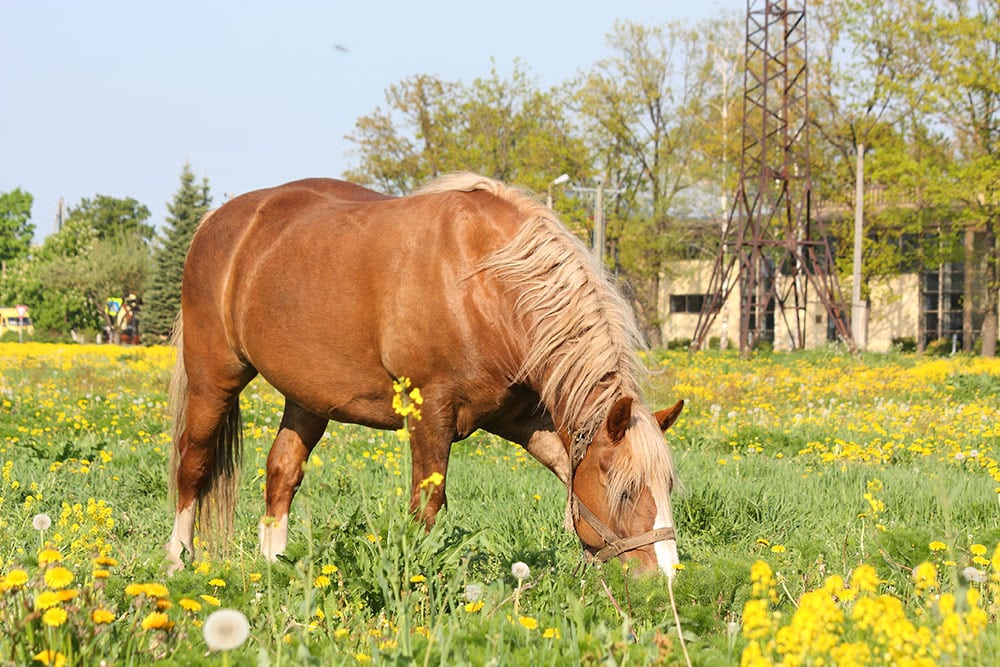
Horses with ID are at greater risk of developing laminitis. Knowing if your horse has a metabolic problem can help you prevent this painful condition.

One equine nutritionist explains how to ensure your horse’s diet does not contain dangerous levels of sugar.

Reacting quickly and correctly to an episode of HAL will give your horse a greater chance for future soundness.

When managing laminitic horses, making dietary changes is often necessary for the success of other treatment efforts.

Learn why horses with ID might be more likely to develop other conditions such as laminitis and what you and your vet can do to prevent and treat them.

Learn why some horses are more likely to develop EMS and associated laminitis and how to tell if your horse is at risk.
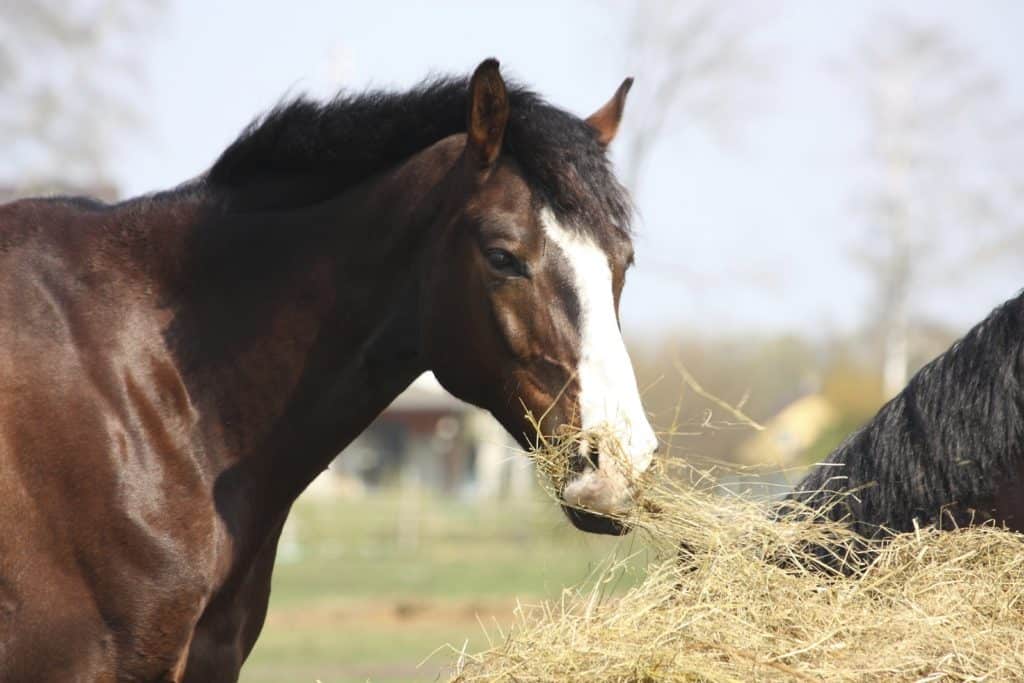
Our equine nutrition expert offers a reader advice on how to feed a thin horse with a history of laminitis without causing another bout of the disease.