Understanding Sugar Levels in Horses’ Hay
Learn how to choose the right type of forage for horses with metabolic problems.

Learn how to choose the right type of forage for horses with metabolic problems.
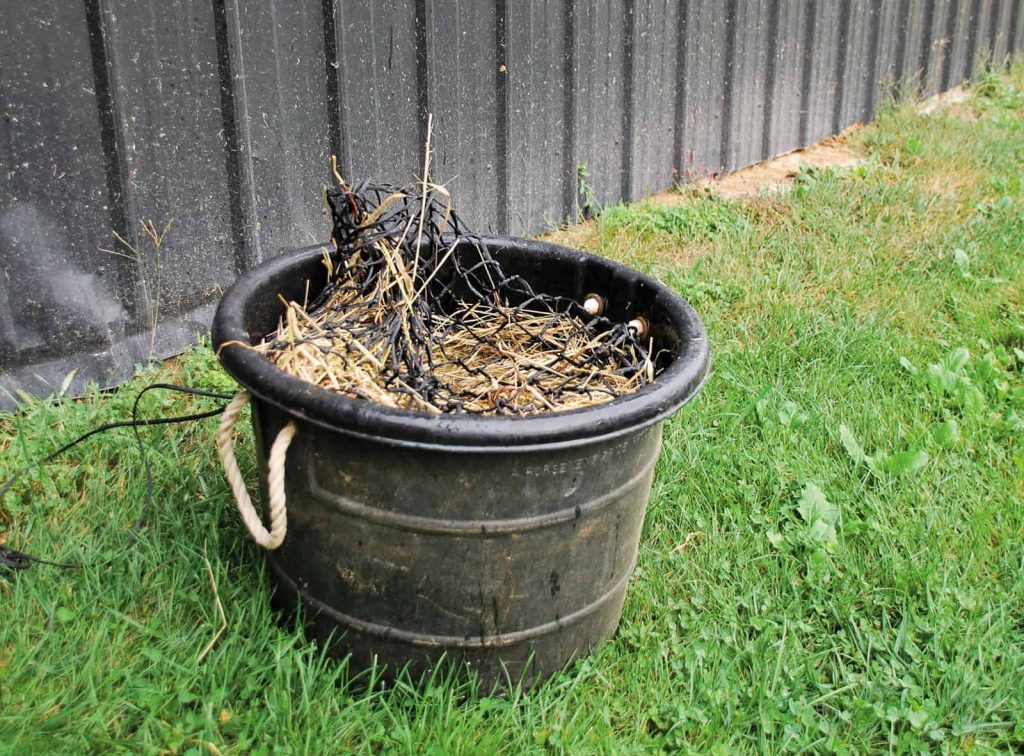
Soaking hay for horses with PPID or insulin dysregulation can reduce the WSC and ESC values, making it safer for these horses to consume.

Dr. Susan White describes options for treating laminitis-prone EMS horses that also suffer from allergies.
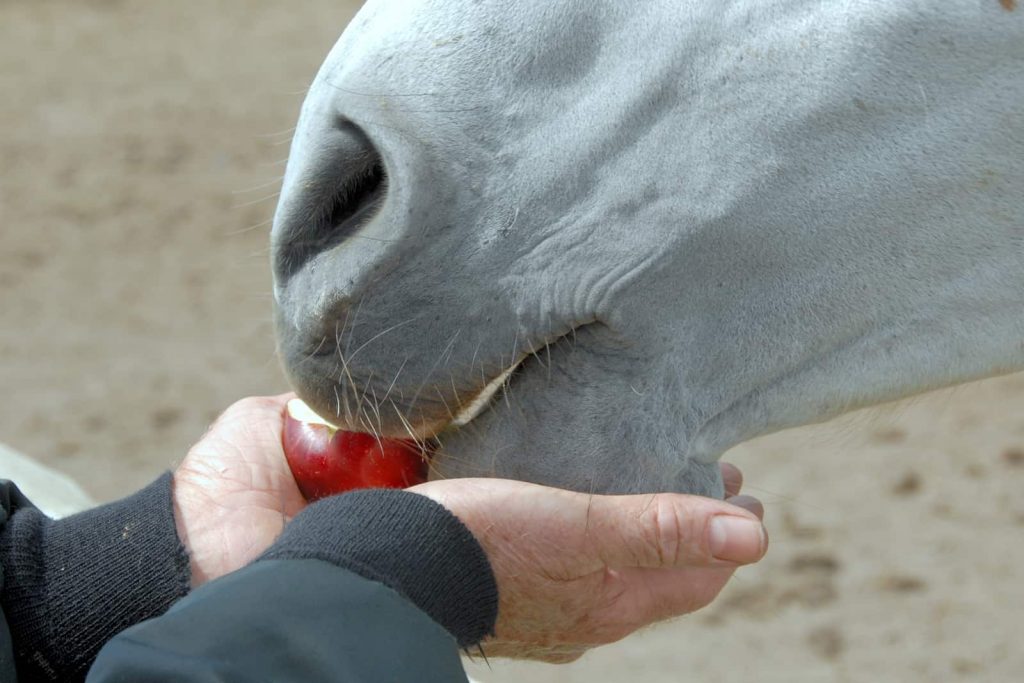
Horses with insulin dysregulation can experience increased sugar absorption in the intestines, which could cause changes in blood glucose levels.
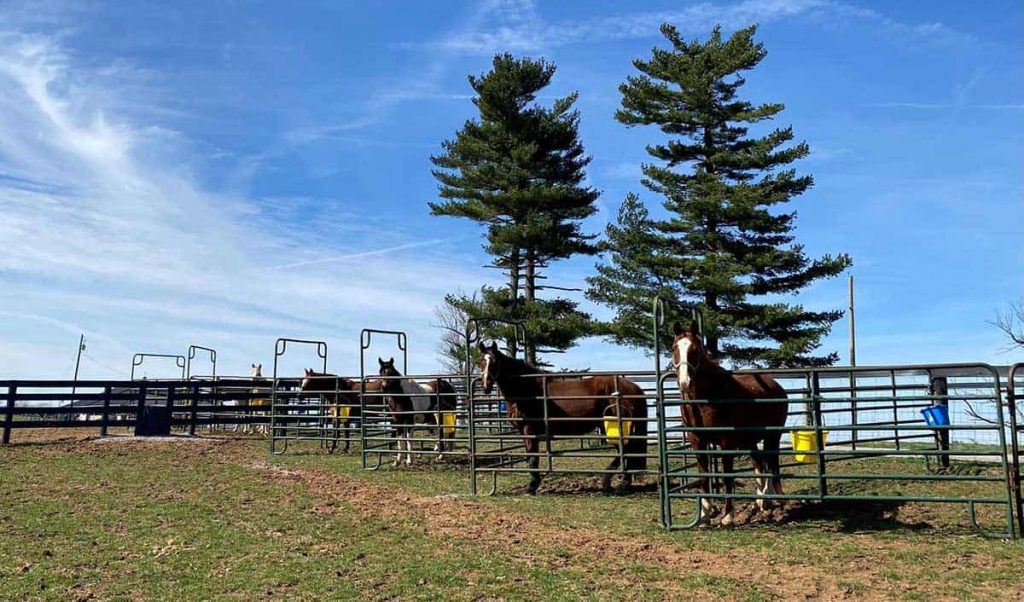
All horses and ponies have a different threshold for NSCs, but researchers are beginning to better understand how to feed horses with ID and EMS.
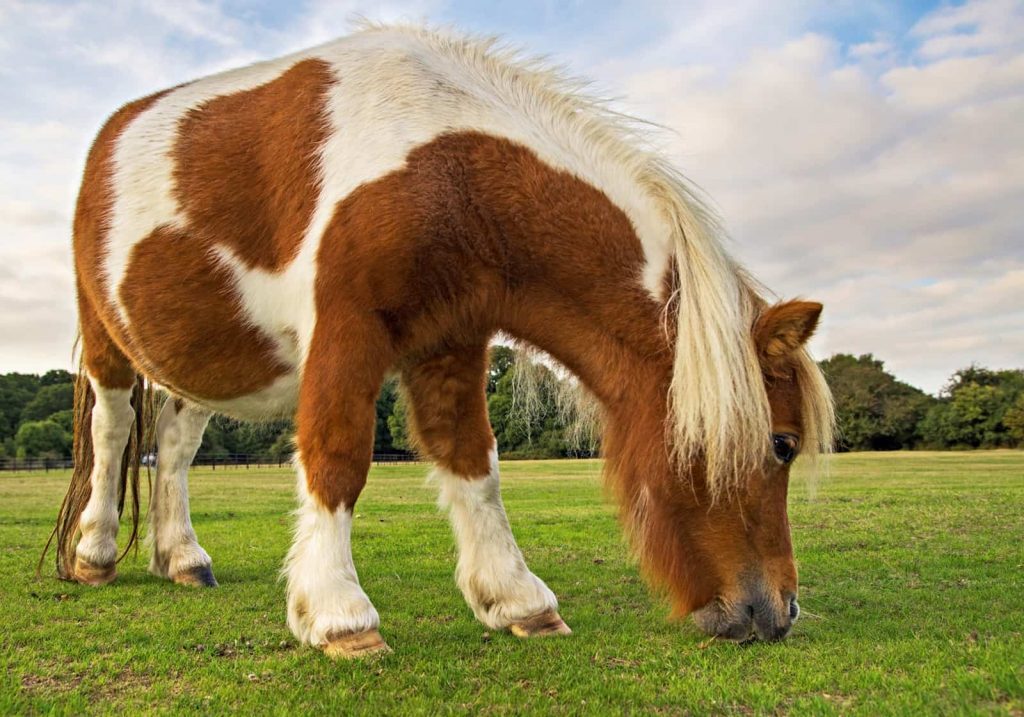
Researchers say these drugs hold great promise for managing horses with EMS when used appropriately.
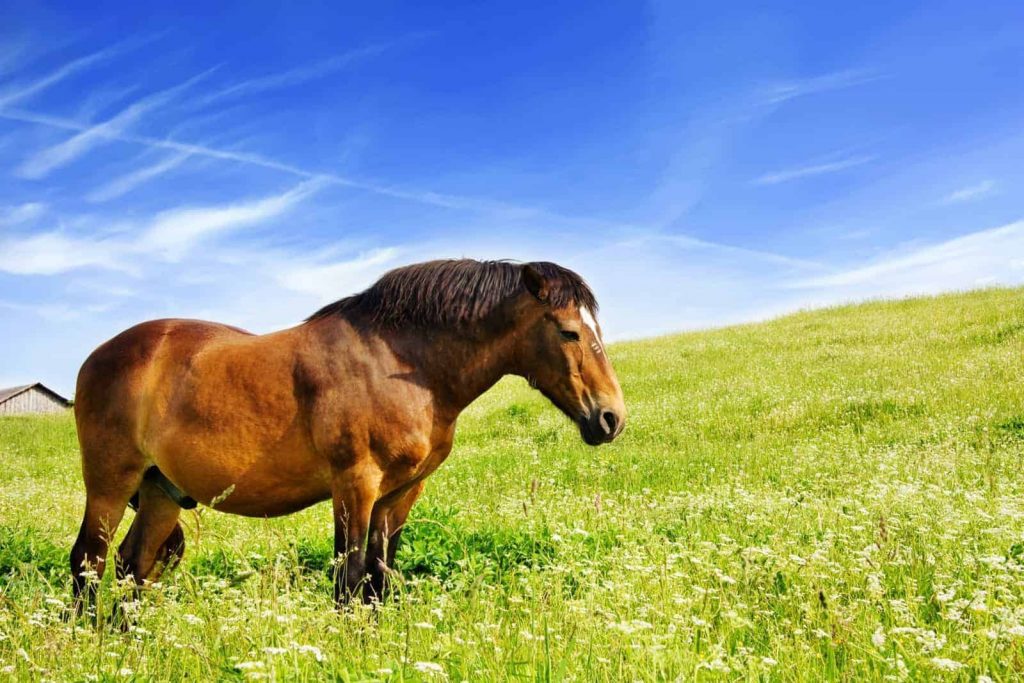
Caring for easy-keeping horses can be challenging. Learn how to manage your easy keeper safely and effectively.

How should a senior horse with equine Cushing’s disease and equine metabolic syndrome be vaccinated?

Does alfalfa cause kidney or respiratory problems or make horses hyper? Specialists shed light on these myths and more.

Adiposity can cause a variety of health problems in performance horses, from heat stress to arthritis.

An equine nutritionist’s advice on choosing treats for horses and ponies that might be prone to insulin dysregulation, obesity, or EMS.

Owners should take an individual and regional approach to planning low-NSC diets for ID horses.

Establishing a standard glucose testing method worldwide could generate more accurate results, leading to better care and welfare of horses with PPID, or equine Cushing’s disease.

Insulin dysregulation can coincide with high ACTH concentrations in the fall, even when an animal does not have PPID.

Learn about the differences, and a few key similarities, between these two endocrine diseases.
The horse’s fed vs. fasted state, dose and type of corn syrup, season, and simultaneous endocrine testing might alter the results of this insulin dysregulation testing method.