Understanding Equine Endocrine Disorders
Learn the differences between equine metabolic syndrome (EMS), pituitary pars intermedia dysfunction (PPID), and insulin dysregulation (ID).

Learn the differences between equine metabolic syndrome (EMS), pituitary pars intermedia dysfunction (PPID), and insulin dysregulation (ID).

Get to know the nuances of donkey care, from treating metabolic issues to drug dosing.

Dr. Vern Dryden explains how equine metabolic diseases and laminitis are connected.

The key is adding weight carefully without triggering hyperinsulinemia and laminitis.
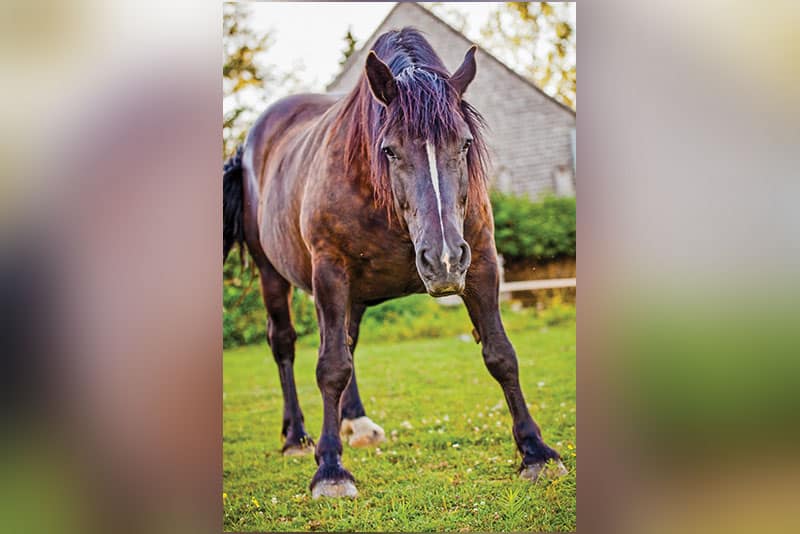
Abby Keegan, MS, PAS, an equine nutritionist for Cargill North America, will present considerations for designing appropriate diets for horses with equine metabolic syndrome (EMS) and how newly FDA-approved chromium might be beneficial. She’ll also share real-world example diets.

Equine nutritionist Dr. Clair Thunes offers tips on how to safely soak hay for horses.

Metabolic profiling might hold the key to pinpointing which at-risk equids are most likely to develop the hoof disease laminitis.

Veterinarians have warned owners of PPID horses about the predisposition they carry for laminitis. However, recent research suggests it’s not that black and white.

Hormone imbalances wreak havoc on horses and their hooves. Here’s advice to help manage equine metabolic syndrome.

Pituitary pars intermedia dysfunction (PPID, or equine Cushing’s disease) is caused by an enlargement of the pituitary gland’s middle lobe (the pars intermedia), which results in an overproduction of hormones that regulate bodily functions. Learn more about this disease in our slideshow.

It still isn’t clear how PPID leads to insulin issues and subsequent laminitis. But vets and researchers do know that, regardless of how PPID horses develop insulin dysregulation, having both conditions leads to a poorer prognosis than having either alone.

Aged horses require the same, if not higher, level of care as their younger counterparts. Learn about the unique needs of old horses, and meet five over-30 horses with age-related ailments.

Dr. Amanda Adams of the University of Kentucky, in Lexington, describes her senior horse research, which focuses on EMS, PPID, and immune system health.

British researchers reviewed more than 150 equine microbiome studies. From colic to laminitis to pregnancy, here’s what they found.
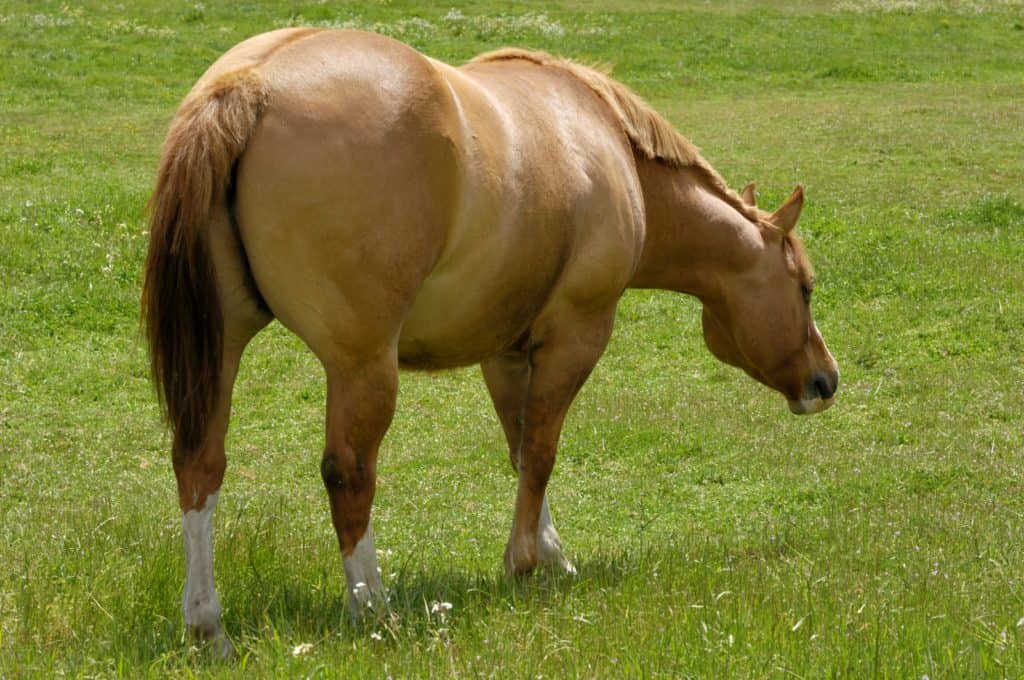
Learn how to help your overweight horse shed pounds in a safe and healthy way.
What’s the best way to soak horses’ hay to reduce dust and sugar content?