Retirement Planning: Optimizing Your Horse’s Post-Career Care
Is your horse approaching his retirement years? Learn how to keep your horse happy and healthy after his athletic career.

Is your horse approaching his retirement years? Learn how to keep your horse happy and healthy after his athletic career.

Your horse’s health status might call for a low-starch diet. Learn which conditions benefit from low starch levels and how to make the change.

A bossy gelding has ballooned during the summer months, and his owner seeks advice for a safe and effective diet.
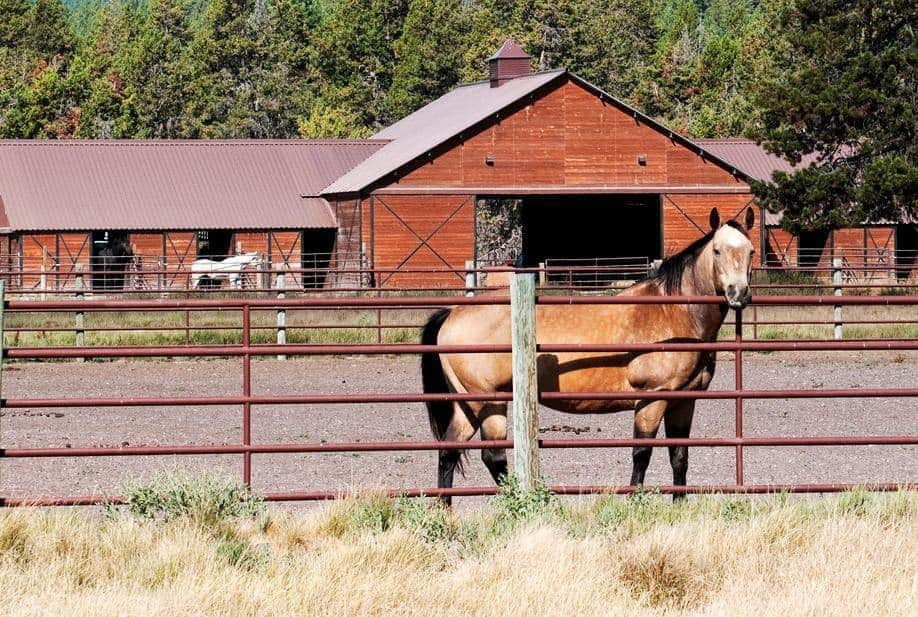
Recent research has given us more insight into how to manage horses affected by or vulnerable to laminitis. If your horse falls into the at-risk category, consider these diet changes.
A listener asks how to make pastures safe for insulin resistant horses. Equine forage researcher Krishona Martinson, PhD, MS, responds and shares the risks associated with allowing IR horses to graze.
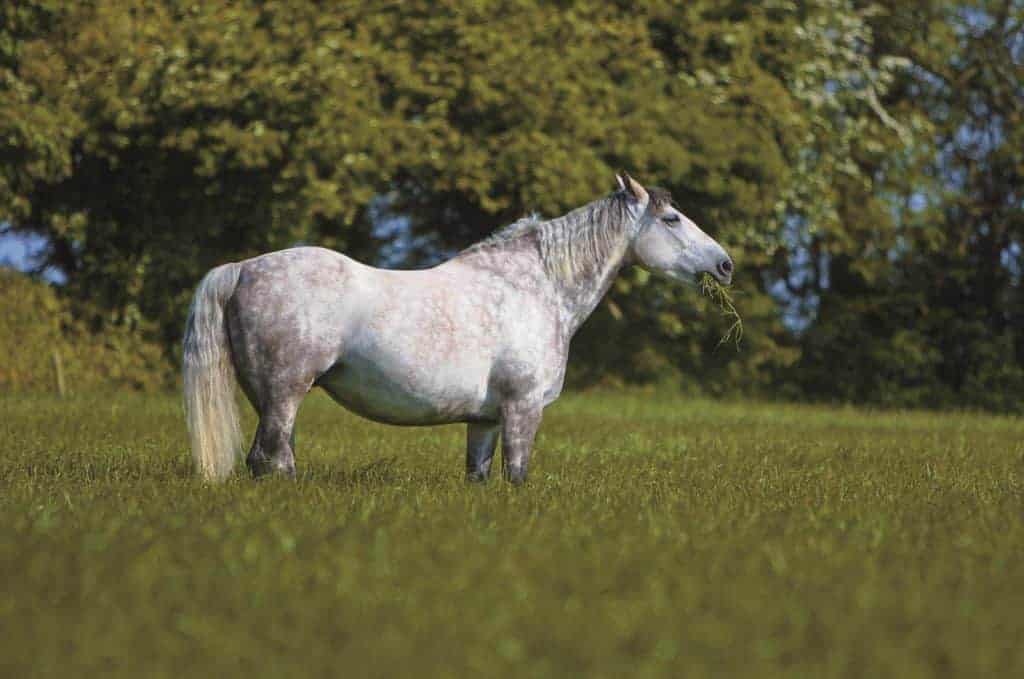
As benign as it might seem, this fresh forage can cause more harm than good. Here’s what to remember.

Horses can experience more than one disease process at the same time, an occurrence known as comorbidity. In this article, we’ll take a look at equine diseases such as PPID and laminitis that veterinarians most commonly see in conjunction with other conditions.

Key takeaways included treating horses as individuals and adjusting medications and management strategies as needed.

A steady nutrient supply of mare’s milk is crucial for the functioning of intestinal cells that produce incretins, which in turn influence energy regulation in neonates.

While we might enjoy sneaking our horses peppermints and other sweet treats, we need to understand how it can reinforce good or bad behavior and how it fits into your horse’s dietary scheme.
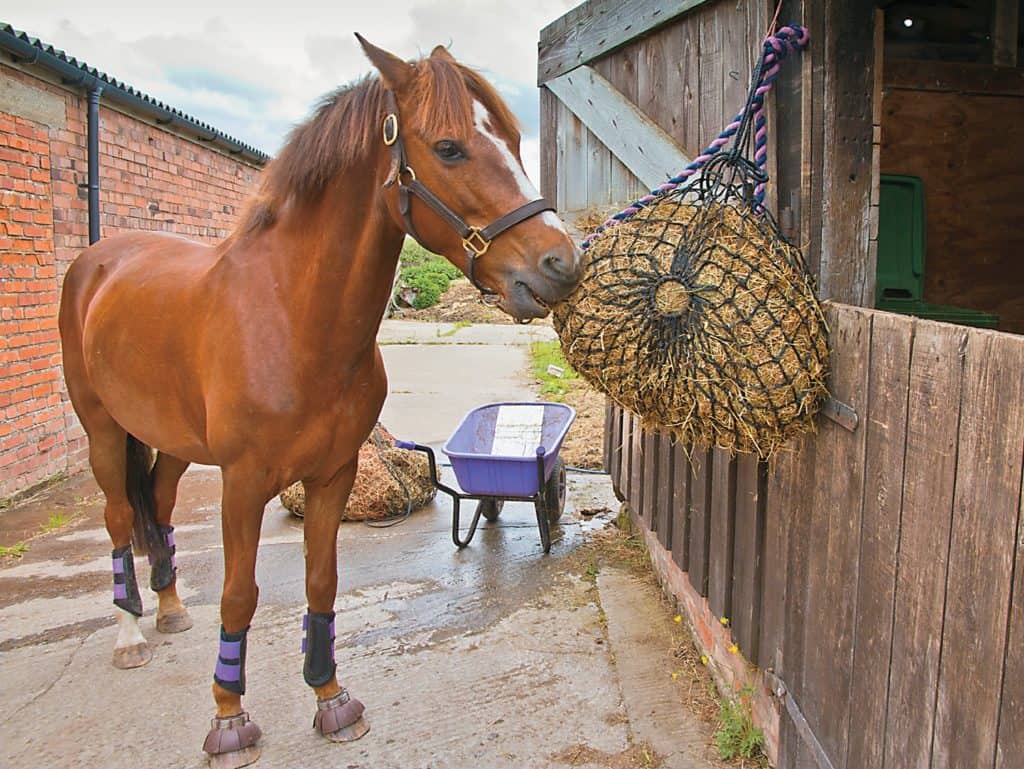
Horses with conditions such as muscle or metabolic disease might have special hay needs to stay healthy.

Find out how to keep your middle-aged horse’s teeth, feet, joints, and more healthy.

Two leading researchers explain insulin’s effects on the body and how to manage the insulin-resistant horse.

Over time, horse feeds manufactured to meet equine energy and nutrient needs have evolved from mixes of whole grains to textured, pelleted, and extruded types. But does that change how feeds affect horses?

Laminitis is one of the most common diseases in horses, and it has many different causes. Find answers to listener questions on endocrine-related laminitis in horses with conditions such as PPID, equine metabolic syndrome, and insulin resistance. Sponsored by InsulinWise.

Researchers aren’t sure why insulin dysregulation causes laminitis, but they do have some clues. Dr. Teresa Burns explains.