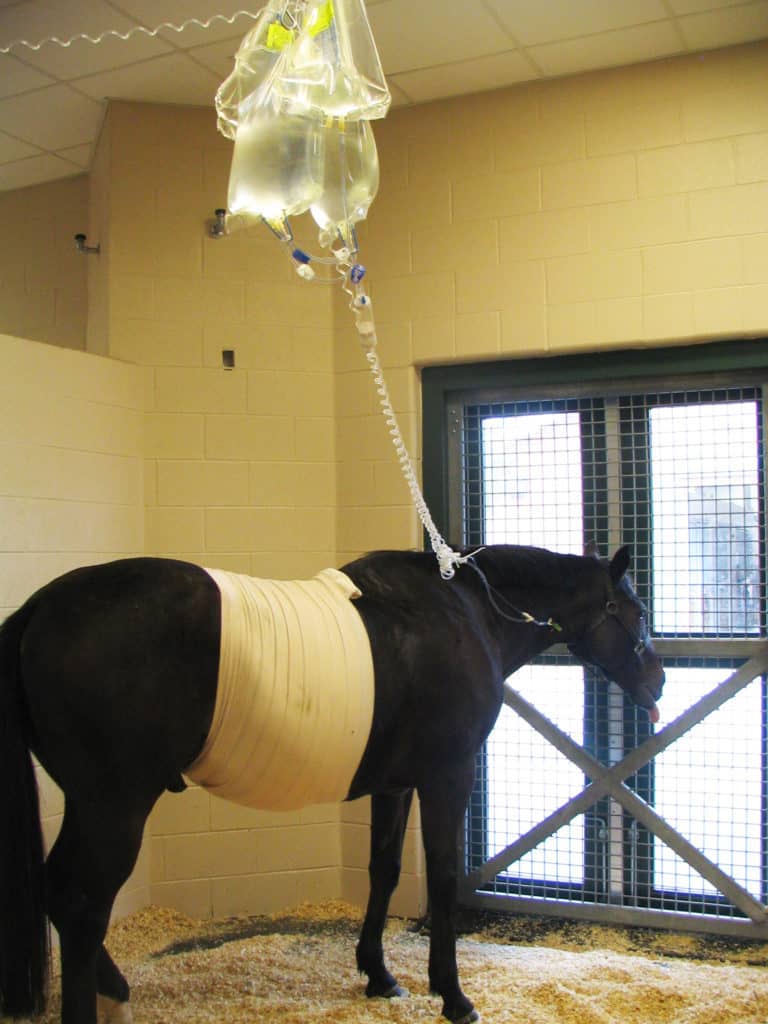
Unraveling the Link Between Glucose and Insulin in Sick Horses
Researchers found that very ill horses with high glucose and insulin levels were more likely to survive, while those with high glucose but low insulin were more likely to die.

Researchers found that very ill horses with high glucose and insulin levels were more likely to survive, while those with high glucose but low insulin were more likely to die.

Researchers had hypothesized that haylage would produce a lower insulin response than hay, as the sugar in haylage is partially fermented and could result in a less-pronounced insulin response.

The ill-fated WEG endurance competition was abandoned amid delays, disruptions, and dangerous heat. Here’s a look back at what went wrong.

We must consider the breeds of our horses and ponies when planning their diets. Here’s a look at what we currently know about feeding major equid categories and where we’re heading.

Caring for the older horse can require special attention to his needs. Download this free guide to find out what health issues to watch for and how to keep your senior horse happy and healthy.

Practitioners must use clinical signs and laboratory testing to distinguish between these sometimes similar ailments.

Our nutritionist helps a reader make sense of horse feeds advertised as low-sugar, low-starch, lite, and more.

From reducing PPID-associated muscle wasting to managing IR and obesity, here’s what to consider for your old horse.

The earlier you can detect endocrine conditions such as PPID and EMS, the better chance you have of preventing associated laminitis in affected horses.

This suggests old horses need an appropriate diet and management plan to help minimize the risks associated with insulin dysregulation, such as laminitis.
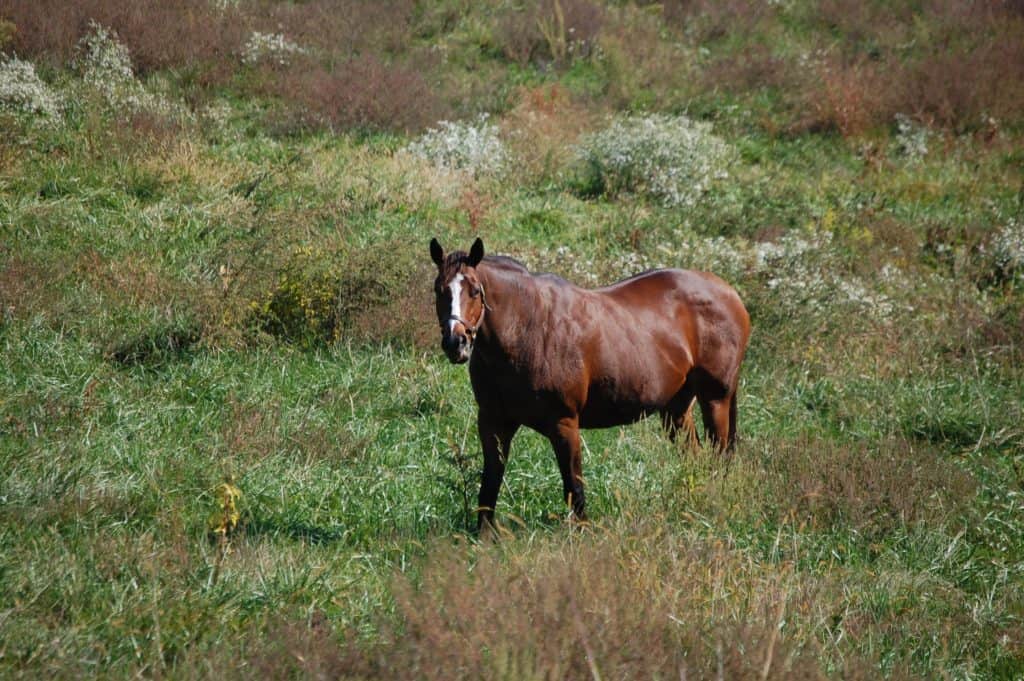
Consider these dietary changes to help reduce the laminitis risk and discuss with your veterinarian whether certain medications could help your horse.
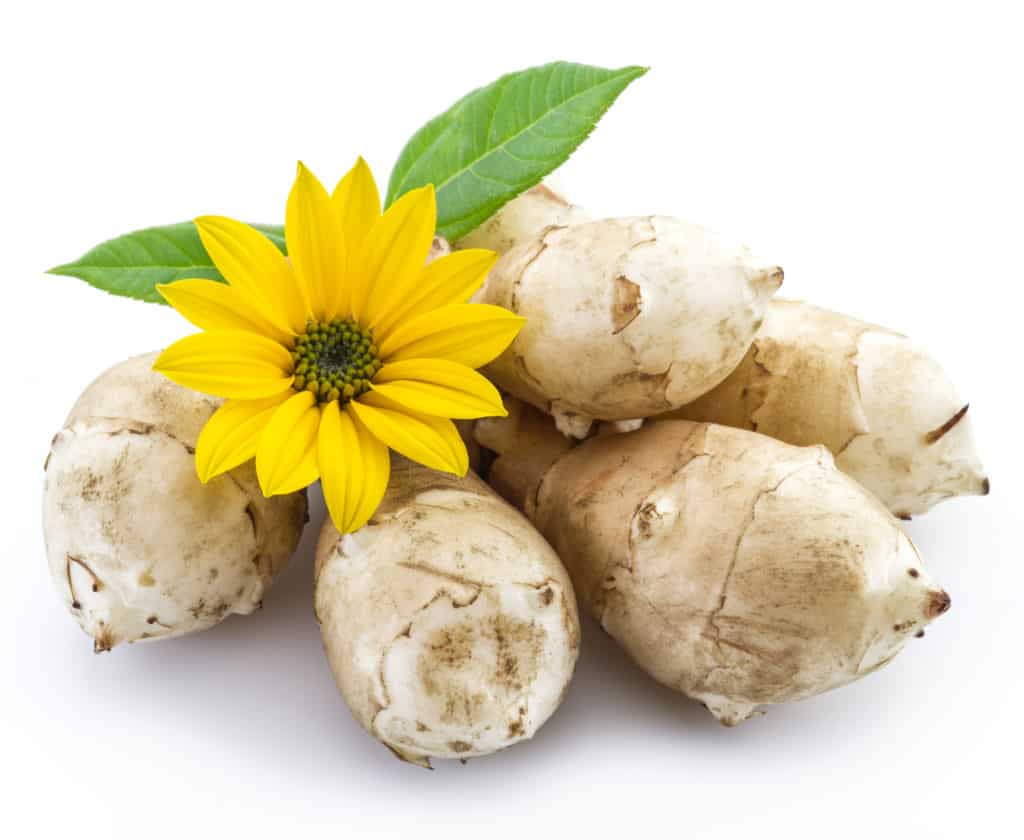
Jerusalem artichoke meal showed promise in getting sugars out of healthy horses’ systems quicker than normal, but it hasn’t yet been tested in IR horses.
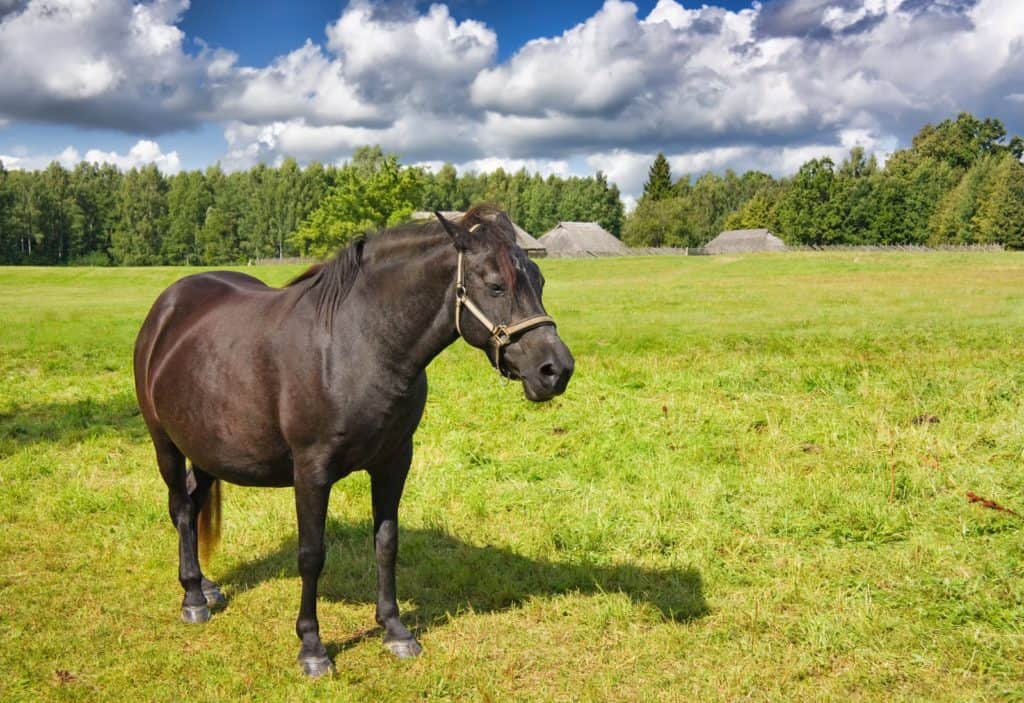
Researchers identified a link between glucose and insulin concentrations (measured using an oral glucose test) and risk and onset of laminitis.

Drs. Vern Dryden and Amanda Adams offer advice for managing EMS horses and selecting supplements.

An Icelandic Horse has tested negative for metabolic disease but is still gaining weight. Dr. Amanda Adams offers advice.
Dr. Amanda Adams explains the difference between equine metabolic syndrome and insulin resistance.