What is Endocrine-Related Laminitis?
Dr. Teresa Burns describes what laminitis is and its relationship to endocrine diseases such as insulin resistance, equine metabolic syndrome, and PPID.

Dr. Teresa Burns describes what laminitis is and its relationship to endocrine diseases such as insulin resistance, equine metabolic syndrome, and PPID.

Managing horses with PPID is an ongoing commitment and requires careful veterinary observation. By monitoring both clinical signs and endocrine values, many affected horses can return to athletic function and/or maintain a good quality of life.

Diagnosing EMS and taking steps to manage it can allow your horse to live a healthy and productive life.

Dr. Liz Arbittier encourages owners and caretakers of senior horses to call their vet if they notice any changes in health or behavior, even when it seems minor, to identify issues and begin treatment early. Here’s what to watch for.
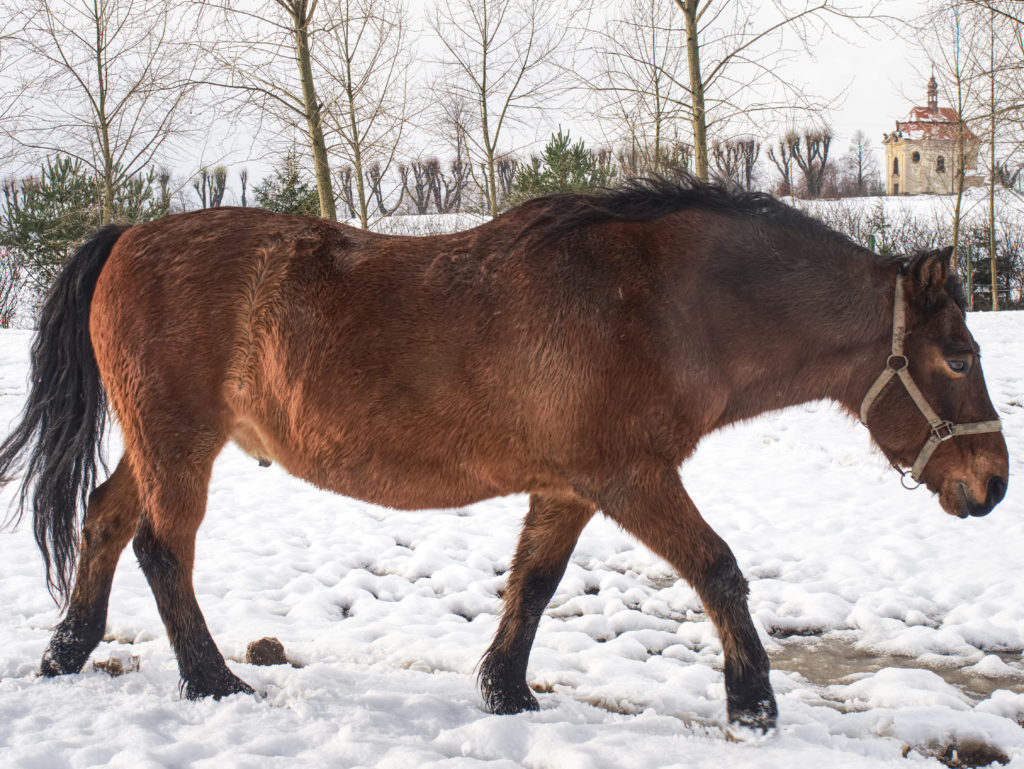
Researchers found that endocrine-disrupting chemical accumulation in blood could explain some environmental variance seen in EMS horses, but the precise role they play in EMS development isn’t yet clear.

Horses consuming a particular supplement had higher high-molecular-weight adiponectin blood concentrations and lower insulin concentrations than when they didn’t consume it. And this, researchers say, could help reduce laminitis risk. Here’s why.

The older equine population is at greater risk of developing debilitating endocrine disorders such as insulin dysregulation and equine metabolic syndrome, all of which are best identified and treated as early as possible.
Researchers found that both basal and post-oral-sugar-test insulin responses vary across seasons in horses with insulin dysregulation.
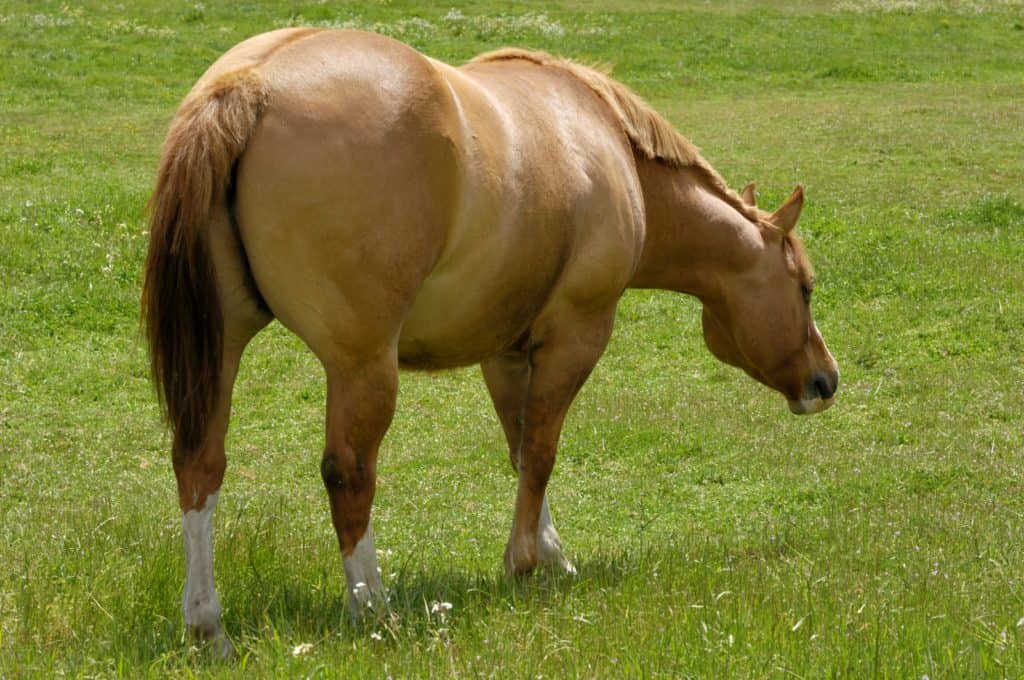
Is it safe to breed a mare who has equine metabolic syndrome and a history of laminitis? Reproduction expert Dr. Ryan Ferris offers insight.
Listen to audio features on equine metabolic issues, colic, hoof abscesses, parasite control, navicular syndrome, and more.

Find information on stress in horses, antibiotic use, scratches, conditioning, equine allergies, and more.
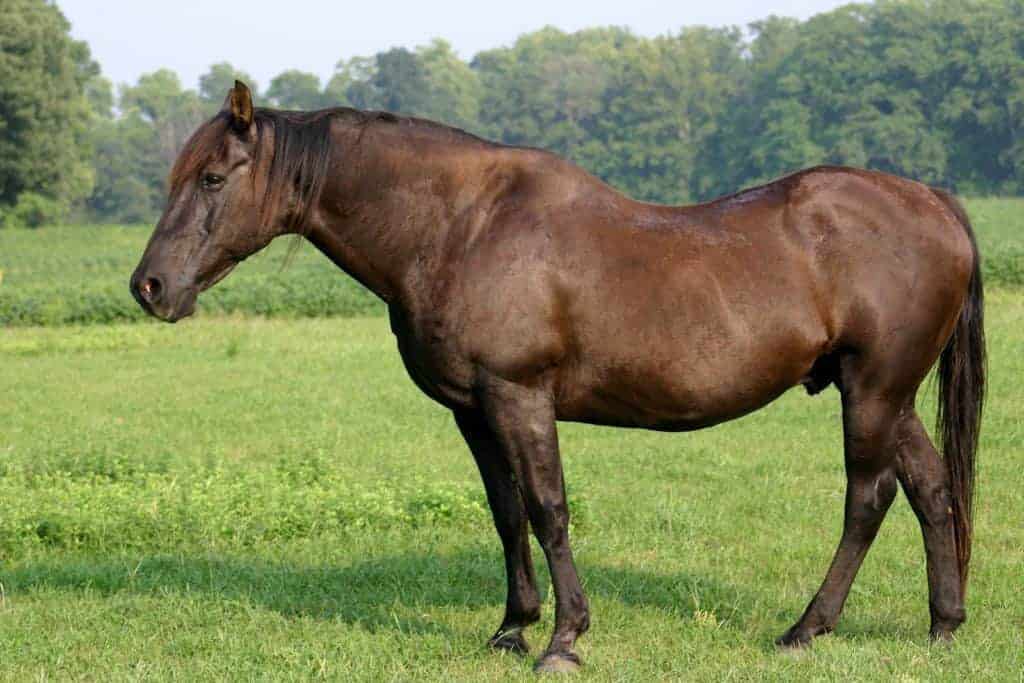
While researchers have discovered much about EMS over the years, there’s still more to learn not only about the link between obesity, insulin, and laminitis but also how to manage animals to help prevent them from becoming obese and/or developing insulin dysregulation.

Knowing elimination risk factors can help veterinarians, riders, and trainers make informed decisions to safeguard endurance horse welfare, researchers say.

A high-fat, high-fiber “museli” mix appeared to supply sports ponies with enough energy to perform well and maintain body condition while reducing blood glucose levels after meals, potentially reducing their risk of metabolic disorders.

Skin problems were the most common general disease reported (33% of all syndromes recorded) and nonhoof-related lower limb lameness was the most common individual issue reported (18.5% of all syndromes recorded).

Equine researchers have begun studying the concept of whole-body inflammation because of its links to a variety of health problems, including “leaky gut syndrome”; musculoskeletal injury risk; and equine metabolic syndrome, insulin resistance, and laminitis.