Could Climate Change Help Hendra Virus Spread?
Researchers say climate change could send Hendra-infected bats farther south and in contact with new local horse populations in Australia’s southern coastal regions and inland territories.


Researchers say climate change could send Hendra-infected bats farther south and in contact with new local horse populations in Australia’s southern coastal regions and inland territories.

With better risk evaluation in the industry and a heightened understanding of equine behavior and learning, some rider deaths could be prevented, said a risk management engineer specializing in industrial safety.

Researchers found horses treated for superficial digital flexor tendonitis with a new biologic product recovered better than those that received a placebo.
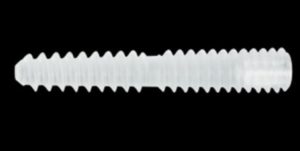
Researchers have learned that fractured splint bone healing can be optimized by replacing metal screws with absorbable ones.

Researchers found a significant difference in how they body condition scored horses compared to the animals’ owners, who tended to underestimate body condition.

Ippo is unwittingly giving scientists a powerful look into the science of how equids (and other species) evolved, researchers say.

Researchers found that horses with EGS had significantly reduced bacterial diversity compared to their healthy counterparts.

Understanding how individual horses think and reason could help handlers be aware of their individual needs and strengths, researchers say.

This new cognitive bias test—a way to test an individual’s level of optimism—could help researchers better evaluate equine welfare, researchers said.

German researchers found hoof angle changes affect horses differently and might create new problems.

Researchers performed diagnostic imaging on Standardbreds’ limbs to pick up early signs of damage to bones, muscles, tendons, and ligaments. They noted more serious lesions—and more lesions in general—in horses trained only on a firm surface.

Scientists developed a portable testing system which uses infrared technology that can allow them to evaluate horses in their home stables without human intervention.

About 7% of tested equids were positive for the presence of antibodies against Besnoitia, the first time researchers have detected such antibodies in European equids.

Researchers have learned that, over the millennia, many mammals—horses included—adapted to climate by getting smaller.

New industry rules intended to improve horse welfare by decreasing whipping frequency might actually go against the principles of operant training and, specifically, negative reinforcement, one equitation scientist says.

Degeneration involves changes in the discs’ color, texture, and integrity due to age and possibly use, researchers said.