Study: Horses Ask Humans for Help With Unsolvable Tasks
Horses faced with a problem they couldn’t solve used visual and tactile signs to get human attention and ask for help.


Horses faced with a problem they couldn’t solve used visual and tactile signs to get human attention and ask for help.

Horses can appear lame in the front limb when the real lameness is the hind limb on the same side, researchers found.
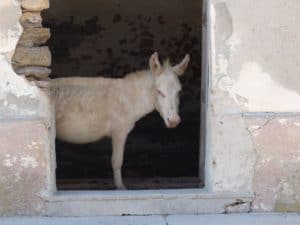
A missense mutation is behind the donkeys’ lack of pigmentation, researchers learned.
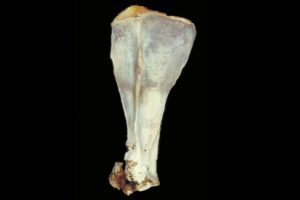
Complications are common with traditional repair, so researchers tested a plate designed for human geriatric patients.
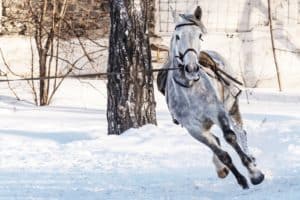
Young horses leaned more than older ones with better musculoskeletal strength and coordination, scientists say.

In a groundbreaking move, racing authorities have declared a nation-wide ban on the use of whips in harness racing.
Researchers confirmed that horses learn socially across species, in this case from familiar humans.

Androgen receptor gene mutations can make a male fetus develop as a structurally sound filly, at least on the outside.

The modern Chinese horse originated from horses introduced to China from elsewhere, as well as local stock.

Researchers say studs have better-quality semen when housed next to other stallions before being stabled next to a mare.
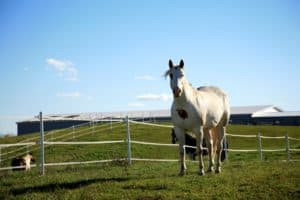
Electric fencing might not cause horses extra stress, but most stay farther away from an electric fence than a wood one.
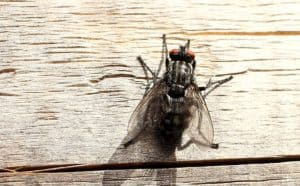
Understanding how house flies reproduce in manure can result in fewer house flies in your barn and its surroundings.
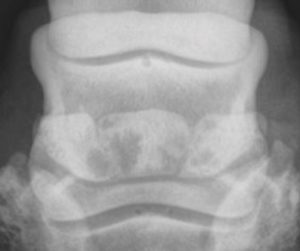
Some horses’ navicular bones segmented into two or three parts, which can be detrimental to health and welfare.

Researchers found that jumping at shows two weekends in a row did not allow horses adequate muscle recovery.
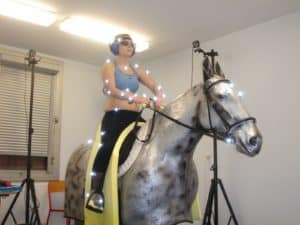
Researchers say using a simulator could allow novice riders to train in a safe environment and safeguard equine welfare.

Bone turnover in horses rested after intense training was better than in those in consistent intense work.