Researchers Study Horses’ Facial Expressions
Horses are capable of a wide range of facial expressions that aren’t so different from those of humans and chimpanzees.


Horses are capable of a wide range of facial expressions that aren’t so different from those of humans and chimpanzees.

While Western saddles had uneven pressure distribution, study horses showed no signs of saddle-related discomfort.

It doesn’t matter where a scary object comes from–if it’s going to scare the horse, it’s going to scare the horse.

A horse at the site tested positive in April, but officials say the diagnosis isn’t necessarily cause for concern.

Without dopamine, horses wouldn’t learn. But with too much, they can develop stereotypies. Here’s what you need to know.
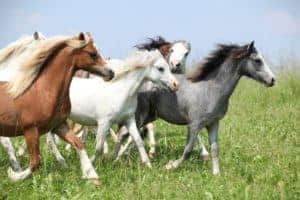
Researchers determined that the dominant horse is rarely the one who takes the first steps to get the herd moving.

These new devices meet the demands for optimum animal welfare while keeping human management capacities in mind.

While fearfulness might seem like a negative trait, it can be quite beneficial in some scenarios, scientists found.

Researchers tried several methods by which to measure foals’ learning abilities with mixed results.

Some riders believe shoes help give a dressage horse better gaits; scientists have found that idea to be mostly a myth.

Factors such as age, breed, discipline, and more can impact a horse’s temperament, scientists found.

Switzerland is a leader in animal rights legislation, and the impact on horse management is significant.
Quismy des Vaux*HDC was injured in her stall overnight when a neighboring stallion escaped from his stall.
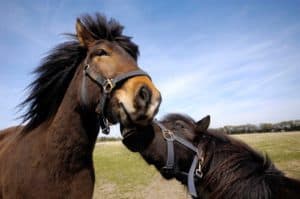
Dominant horses are typically older, larger, and less fearful than other horses in a herd, researchers found.

While we can’t prevent all abortions, knowing the risks can help us prepare for and, in some cases, reduce the hazards.

“Enriched” clinics could help improve equine welfare, leading to quicker healing times and safer environments for staff.